



Ralph Lauren beat the S&P 500 four years running. What drove the gains?
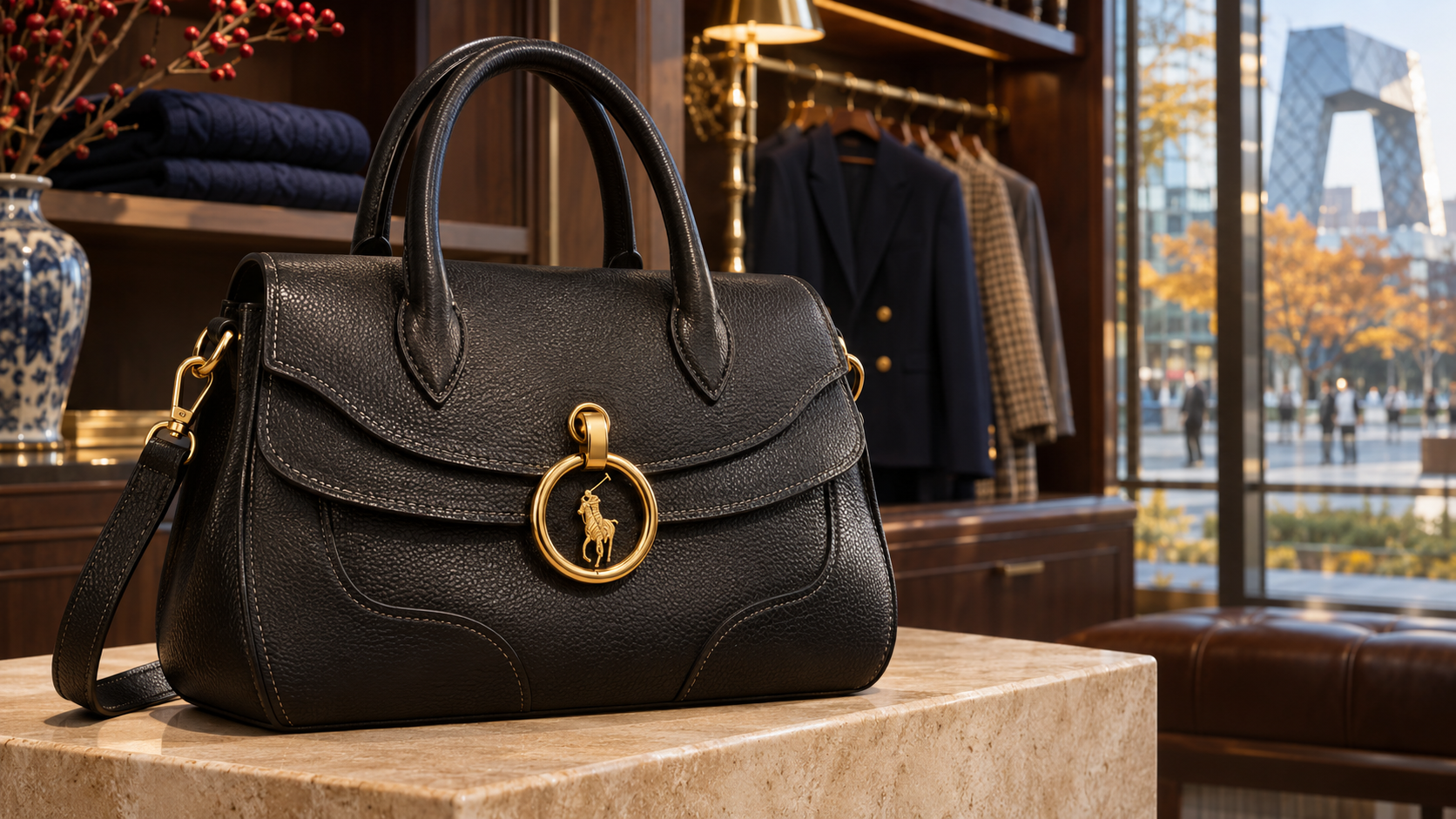
Ralph Lauren shares beat the S&P 500 in four straight trading years as profit more than doubled. A sharp November reversal and new details from Asia show why investors should separate the run in the stock from the outlook for the business.
Ralph Lauren shares fell 7.3% on November 5, the day the company raised its annual sales outlook. Two sessions later, they rose 5.8% without a new company announcement, according to Trefis. That swing was a reminder that even a four-year run of beating the market tells investors less about the next quarter than the business results do.
Trefis measured price changes, excluding dividends, in 252-trading-session intervals. Ralph Lauren fell 23.6% against a 19.4% drop in the S&P 500 in the interval ending November 4, 2022. It then beat the index in each of the next four intervals: 18.7% versus 16.1%, 96.4% versus 36.4%, 50.6% versus 14.6%, and 17.1% versus 10.9% through November 12, 2026. Compounding those four rounded stock returns gives a gain of about 311%.
Only 18 of the 486 current S&P 500 members with sufficient price history matched that four-year streak in the Trefis sample. About 52% beat the index in the latest interval alone. If each stock had an independent 40% chance of doing so in each of four intervals, the expected count would be about 12. That is a rough illustration, not a test of management skill: companies share market and industry exposures, and a sample made up of current index members leaves out firms that exited the index.
Reported trailing net income rose in all four years of the streak and more than doubled overall, increasing 107.8% in the Trefis figures. The smallest gain was 2.3% in the year to September 2023. In the preceding year, profit grew 27.8% and the stock still trailed the index. Those figures include one-time items, and the contrast shows why profit growth and the share price do not move in lockstep.
The November 9 rebound was not confined to Ralph Lauren. The S&P 500 gained 2.3%, the Nasdaq Composite rose 2.7% and the consumer discretionary fund XLY rose 2.9%. All five of the apparel peers tracked by Trefis rose, led by Vera Bradley at 14.2%; Tapestry gained 2.5% and the other three rose between 2.6% and 3.2%. Ralph Lauren still finished about 4% below its June 24 closing high of $414.25. Trefis put it at 2.8 times sales versus 3.1 for the index at that snapshot, a comparison that does not control for differences in margins or business mix. In Trefis's November 9 snapshot, the previous 12-month return was 27.8% versus 13.7% for the S&P 500. That earlier window is not the 252-session price series ending November 12.
The latest quarterly results show where the business is gaining ground. Revenue reached $2.19 billion in the fiscal second quarter ended September 26, up 9.1% from a year earlier and roughly 10% at constant exchange rates. Asia sales rose 28% to $571 million, and sales in China grew more than 35%. Ralph Lauren opened 22 owned or partner-operated stores worldwide during the quarter, including at Beijing's Hopson One shopping center, and launched a shopping app in Japan. Those moves give the company more ways to reach customers directly.
Reported gross margin reached 74.2%, up 6.2 percentage points with help from tariff refunds. The adjusted measure rose 2.5 points to 70.5%, a smaller gain. The company pointed to higher average selling prices and a more profitable sales mix as drivers of the adjusted improvement. Reported diluted earnings per share rose 47% to $4.87, while adjusted diluted earnings per share climbed 22% to $4.64.
Ralph Lauren now expects fiscal 2027 sales to grow 6% to 7% at constant exchange rates, up from 5% to 6%, excluding the extra week in its 53-week fiscal year. Management still expects slower growth in the second half. For the holiday quarter, it expects 3% to 4% at constant exchange rates, with wholesale shipment timing and a pullback from off-price channels together subtracting about a percentage point. The expected February report will show whether demand held up in the holiday quarter. The adjusted margin will offer a cleaner comparison with the quarter inflated by tariff refunds.
Image references: · מקור ייחוס · מקור ייחוס · מקור ייחוס
Frequently asked questions
What is "Ralph Lauren beat the S&P 500 four years running. What drove the gains?" about?
Ralph Lauren beat the market four years running. See how profit, growth in Asia and a slower holiday outlook put the stock's streak in context.
What is the market context?
Ralph Lauren shares fell 7.3% on November 5, the day the company raised its annual sales outlook. Two sessions later, they rose 5.8% without a new company announcement, according to Trefis. That swing was a reminder that even a four-year run of beating the market tells investors less about the next quarter than the business results do. Trefis measured price changes, excluding dividends, in…
When was this article published?
It was published on 17 / 11 / 2026 by Be The Investor Research.