


 Be The Investor Research
Portfolio Tools for Investors: Compare Research Access
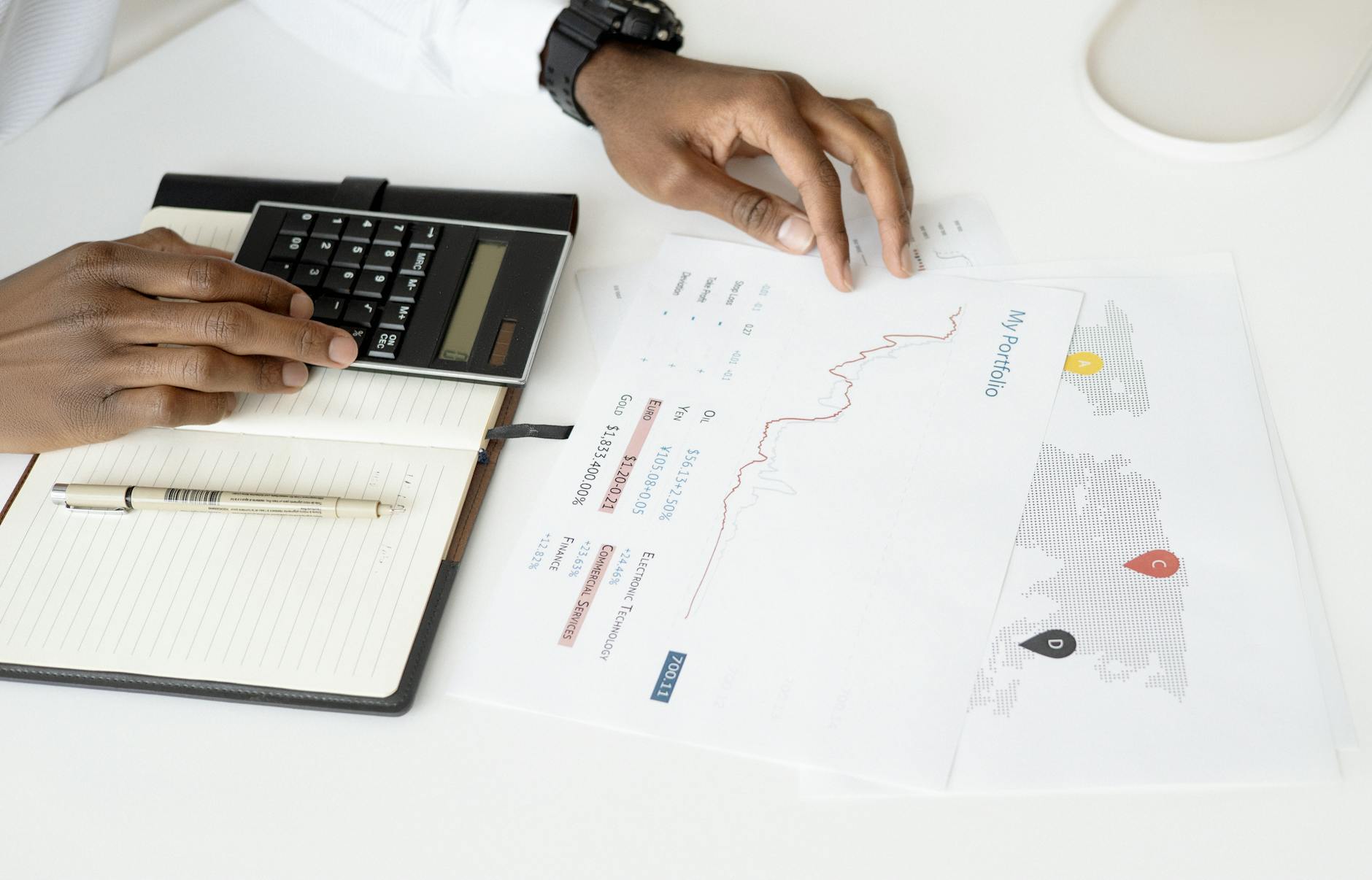
Evaluate portfolio research tools by the evidence and workflows they make available. This guide provides an access checklist for data coverage, historical records, exports, permissions and cost, plus a hypothetical calculation of research overhead. It helps distinguish a useful research subscription from a collection of impressive but unverifiable dashboard features.
A portfolio research tool is useful when it helps you answer a defined question with evidence you can inspect and retain. Compare access to sources, data coverage and research history before comparing the number of charts or automated summaries.
This is an evaluation method, not a ranked product review. Features, subscription terms and prices must be verified with each provider at the time of a decision. No provider's current offering is assumed here.
Translate the research job into access requirements
List the work you repeat: reconciling holdings, reading filings, checking fund overlap, recording company events, or reviewing portfolio scenarios. For each job, identify the minimum evidence needed. A tool that covers thousands of instruments may still fail your task if it cannot explain the source date or preserve your notes.
| Research job | Minimum access to verify | Practical evaluation question |
|---|---|---|
| Holdings review | Position import or a usable manual entry method | Can I reconcile the result to my own statement? |
| Company research | Links to filings and source dates | Can I inspect the underlying evidence? |
| Fund exposure review | Dated holdings and instrument identification | Can I distinguish missing data from zero exposure? |
| Historical analysis | Coverage dates and adjustment conventions | Are distributions and corporate actions explained? |
| Research continuity | Notes, version history or permitted exports | Can I reconstruct why a conclusion changed? |
| Collaboration | Clear permissions and usage rights | Who may see, edit or reuse the research? |
The SEC Investor.gov: Using EDGAR to Research Investments describes a public source for company and fund filings. A paid interface may add organization or analysis, but the ability to trace an important claim to its underlying document remains a useful evaluation criterion.
Distinguish missing access from missing evidence
Use three labels during an evaluation: verified, not available in the evaluated access level, and not yet verified. They describe different problems. A feature hidden behind a different plan is not the same as a field the provider does not collect, and neither should be recorded as a financial value of zero.
Test the actual account or documented access level you would use. Marketing examples may depict a different configuration. Keep a dated record of the terms and any limitations communicated by the provider. Do not infer export rights, commercial reuse or automated access from the mere ability to view a screen.
Measure the cost of the research workflow
Consider a hypothetical subscription costing $240 per year and a $40,000 research portfolio. The fee equals $240 ÷ $40,000 = 0.6% of that portfolio's value. This is a cost comparison, not a claim that the investment account automatically loses exactly 0.6% of performance; the fee may be paid outside the account.
Assume the subscription saves 30 minutes on each of 20 annual review sessions. That is 10 hours saved, so the direct subscription cost is $24 per saved hour. Both the time saving and the number of sessions are assumptions. Change them after observing actual use.
If the tool is used for only five sessions, the assumed time saving falls to 2.5 hours and the same fee becomes $96 per saved hour. The example makes usage frequency visible without pretending to assign a monetary value to a better investment decision. The SEC Investor.gov: Understanding Fees provides background on why service costs deserve examination.
Evaluate permission and continuity requirements
For an account connection, distinguish read access from authority to transact. Review what data are collected, retained and shared, and whether the connection can be revoked. Start with the least access that actually supports the research job.
FINRA: What You Should Know About Automated Investment Tools discusses assumptions, terms and personal information in automated services. In your own evaluation, also ask what happens to saved notes and permitted exports when a subscription ends. A workflow that cannot be reconstructed later creates a practical research limitation even if today's interface works well.
Reusable evaluation record
- Task: the exact question the tool should help answer.
- Evidence: a source document, dated field or reproducible calculation.
- Access level: the plan or configuration actually evaluated.
- Unresolved limitation: a specific missing field or permission.
- Observed effort: time spent completing one real research task.
- Decision: retain, investigate further or decline for this use case.
Follow building and tracking an investment thesis to define a durable research record. Use the investor guides learning path to identify the skills and source-reading tasks that should remain understandable even when a tool automates part of the workflow.
Research exercise with SPY
Test a candidate research workflow with SPY. Compare its fund identifier, source links and holdings-document date with the State Street: SPDR S&P 500 ETF Trust page. Record any mismatch as an access or data-quality issue to investigate. This checks the research process without ranking providers or assuming that a particular platform includes the required data.
Frequently asked questions
Is a paid tool necessary for every investor?
No. The answer depends on the research job, available public sources and the value of the workflow improvements. Evaluate the actual task.
Does access to data include permission to republish it?
Do not assume so. Review the applicable license and permitted uses before redistributing provider data.
Can a tool's subscription price establish its quality?
No. Price is one input. Inspect the evidence, usability and limitations relevant to your own research process.
Related guides
- Portfolio Analysis: Allocation, Risk, and Scenarios
- How to Compare Portfolio Simulators
- Explore the complete investor learning path
Prepared with AI assistance for Be The Investor Research. This educational guide includes hypothetical examples, not personalized investment advice. Sources were checked on November 13, 2026. Verify current issuer data and product terms before relying on them. Read our editorial standards.
Continue your SPY research
Frequently asked questions
What is "Portfolio Tools for Investors: Compare Research Access" about?
Compare portfolio research tools by coverage, source access, exports, permissions and cost, using a practical checklist and hypothetical research-cost example.
Which stocks and assets does this article cover?
This article relates to SPY.
What is the market context?
A portfolio research tool is useful when it helps you answer a defined question with evidence you can inspect and retain. Compare access to sources, data coverage and research history before comparing the number of charts or automated summaries. This is an evaluation method, not a ranked product review. Features, subscription terms and prices must be verified with each provider at the time of a…
When was this article published?
It was published on 13 / 11 / 2026 by Be The Investor Research.