



Occidental’s onshore wells cushion a weaker Gulf outlook
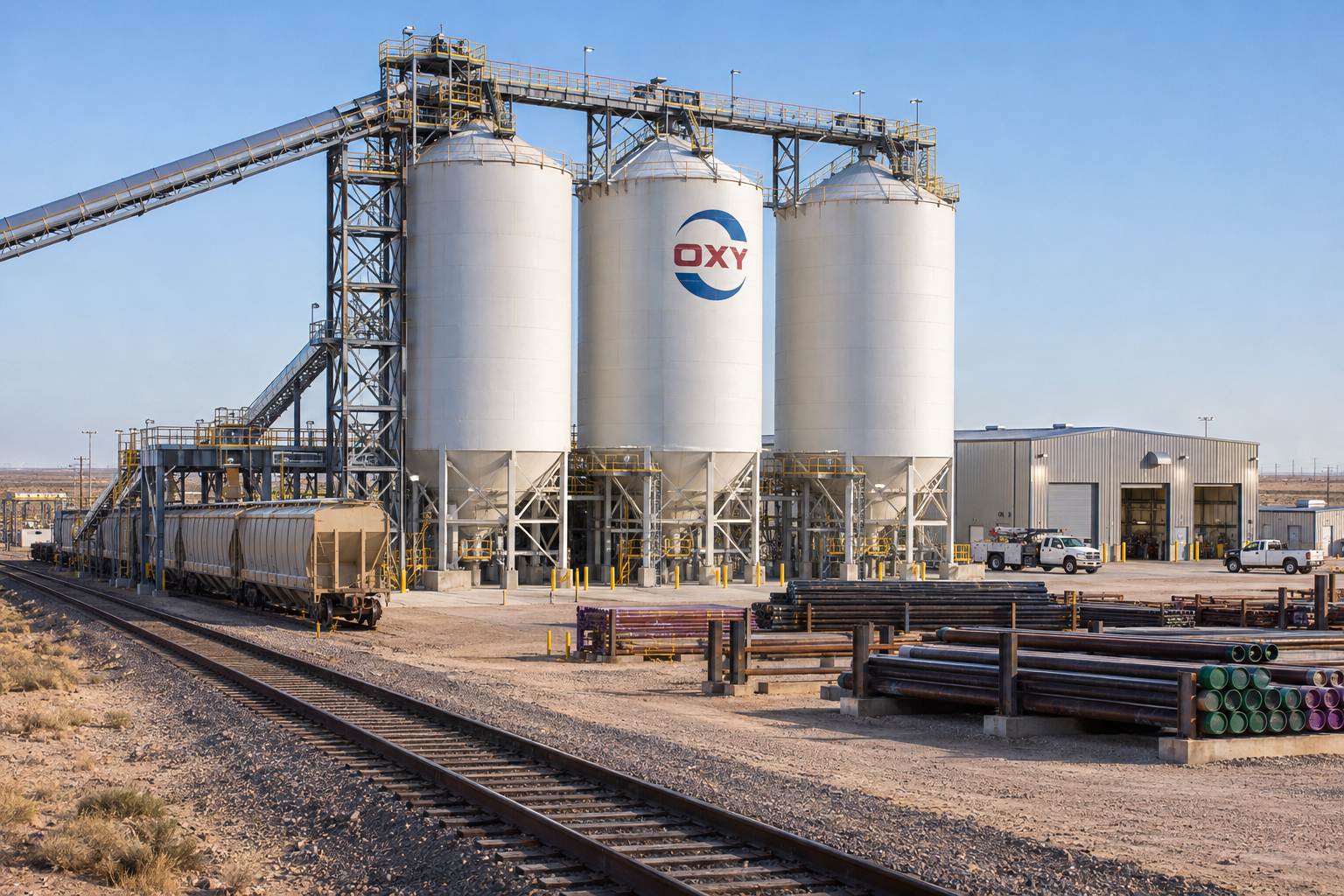
Occidental beat its third-quarter production target as U.S. onshore wells offset Gulf disruptions. For 2027, the company sees broadly flat output, with the timing of water-injection wells and overseas contract terms shaping the range.
Occidental Petroleum’s onshore wells produced enough oil and gas to offset a weak quarter offshore. That cushion matters because management says Gulf production could slip in 2027 even after the equipment and weather disruptions that affected late 2026 have cleared.
Occidental averaged 1.43 million barrels of oil equivalent per day in the third quarter, 7,000 above the midpoint of its guidance. U.S. onshore production alone beat its midpoint by about 20,000 barrels of oil equivalent a day. In the Gulf, maintenance and a constraint on a third-party gas pipeline forced some facilities to cut production. The pipeline disruption carried into the fourth quarter and a hurricane interrupted output in early October. Management said production had been fully restored by late October; fourth-quarter guidance of 1.43 million to 1.47 million barrels of oil equivalent per day still reflects the interruptions.
Next year’s Gulf issue is different. Occidental is drilling wells that inject water into existing fields to push more oil toward producing wells. Occidental has identified roughly 450 million barrels of oil equivalent in potential waterflood resources and estimates a breakeven below $40 a barrel. That is an estimate of recoverable opportunity, not proved reserves or a forecast of 2027 output. If the wells come on later in the year, the company could recover more from those fields over time and still produce less from the Gulf in 2027.
Management indicated that companywide production could stay roughly flat in 2027 on about $5.9 billion of capital spending. It said the Gulf and international operations would largely determine the range, with production-sharing terms weighing primarily on oil output in Oman and Algeria. Those are more immediate variables for production than the long-term resource estimate. Oil and gas brought in $20.9 billion in 2025, down about $800 million from 2024.
Trefis calculated that Occidental shares gained 39.7% in the year through November 11, against 12.8% for the S&P 500. It put the stock at 2.3 times sales against 3.2 for the index, but Occidental’s 2.2 times sales at the September quarter-end was above 24 of the previous 39 quarter-end readings in its sample. Trefis also found that the stock fell at least 30% within six of the past ten calendar years and that a 38.8% drop from its reference price would revisit the lowest close in three years. None of those comparisons predicts a drop. They show why a discount to the broad market does not necessarily leave much room for disappointment in Occidental’s own production outlook.
Image references: · מקור ייחוס · מקור ייחוס · מקור ייחוס
Frequently asked questions
What is "Occidental’s onshore wells cushion a weaker Gulf outlook" about?
Occidental’s onshore output offset Gulf disruptions, but its 2027 outlook depends on water-injection wells and overseas contracts.
What is the market context?
Occidental Petroleum’s onshore wells produced enough oil and gas to offset a weak quarter offshore. That cushion matters because management says Gulf production could slip in 2027 even after the equipment and weather disruptions that affected late 2026 have cleared. Occidental averaged 1.43 million barrels of oil equivalent per day in the third quarter, 7,000 above the midpoint of its guidance.…
When was this article published?
It was published on 13 / 11 / 2026 by Be The Investor Research.