



Nike's Turnaround Depends on Product Mix, Not Cost Cuts Alone
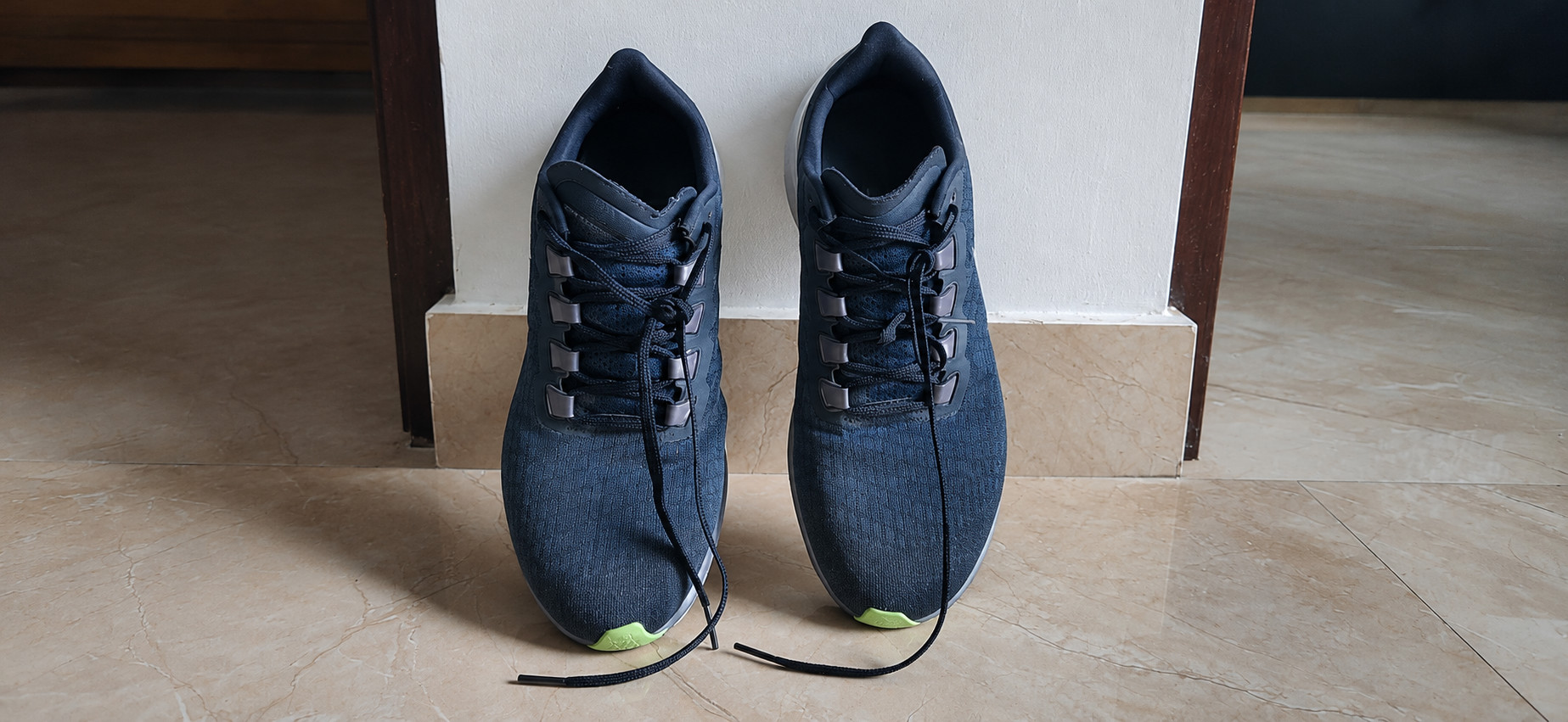
Nike's performance categories are improving, but sportswear, Jordan Brand and Greater China remain weak as the company begins a multiyear restructuring and inventory reset. worldwide.
Nike's first-quarter results show why the turnaround cannot be measured by revenue alone. Sales fell, but gross margin improved and performance categories gained momentum. The harder problem is rebuilding demand in the large lifestyle businesses that previously carried the company.
Fiscal first-quarter revenue was $11.2 billion, down 4% as reported and 5% on a currency-neutral basis. Nike Brand revenue also fell 4%, with weakness in Greater China and Europe, the Middle East and Africa partly offset by North American growth. Nike Direct revenue declined to $4.1 billion from $4.5 billion, while wholesale revenue was $6.8 billion and roughly flat on a reported basis.
Gross margin expanded 60 basis points to 42.8%, mainly because warehousing and logistics costs improved. That progress is useful, but it does not yet represent a full recovery in pricing power. Nike is still using markdowns and wholesale discounts to clear inventory and make room for newer products.
Management said its performance business is gaining traction, while Nike Sportswear, Jordan Brand and Greater China need more work. The company expects some of those repairs to extend beyond fiscal 2027. Greater China faces declining store traffic, elevated promotions and high marketplace inventory, conditions that can pressure both revenue and profitability.
Nike introduced Pace, a multiyear operating program that includes supply-chain modernization, a new enterprise campus in India, a shift to three geographic regions and further organizational streamlining. The company expects about $2.5 billion of cumulative savings through fiscal 2031, before roughly $1.0 billion of pretax charges and any reinvestment. Because the savings are cumulative and partly intended for reinvestment, investors should not treat the full amount as an immediate addition to annual profit.
The fiscal 2027 outlook remains difficult. Nike expects revenue to decline at a high single-digit rate and adjusted diluted earnings of $1.15 to $1.35, excluding about $0.15 of restructuring expense. Inventories were $7.8 billion at August 31, down 3% from a year earlier but up 5% from May because of product-mix shifts.
The turnaround will be credible when new performance products generate durable full-price demand without being offset by deeper weakness in sportswear, Jordan and China. Cost savings can protect earnings during the transition, but only product relevance and healthier distribution can restore sustained growth.
Image references: · GautamSudhanshu (CC BY-SA 4.0)
Frequently asked questions
What is "Nike's Turnaround Depends on Product Mix, Not Cost Cuts Alone" about?
Nike's margins improved, but sportswear, Jordan Brand and China remain weak as a multiyear restructuring begins.
What is the market context?
Nike's first-quarter results show why the turnaround cannot be measured by revenue alone. Sales fell, but gross margin improved and performance categories gained momentum. The harder problem is rebuilding demand in the large lifestyle businesses that previously carried the company. Fiscal first-quarter revenue was $11.2 billion, down 4% as reported and 5% on a currency-neutral basis. Nike Brand…
When was this article published?
It was published on 13 / 11 / 2026 by Be The Investor Research.