


 Be The Investor Research
Oracle's $20 Billion Raise Buys Time at a High Price
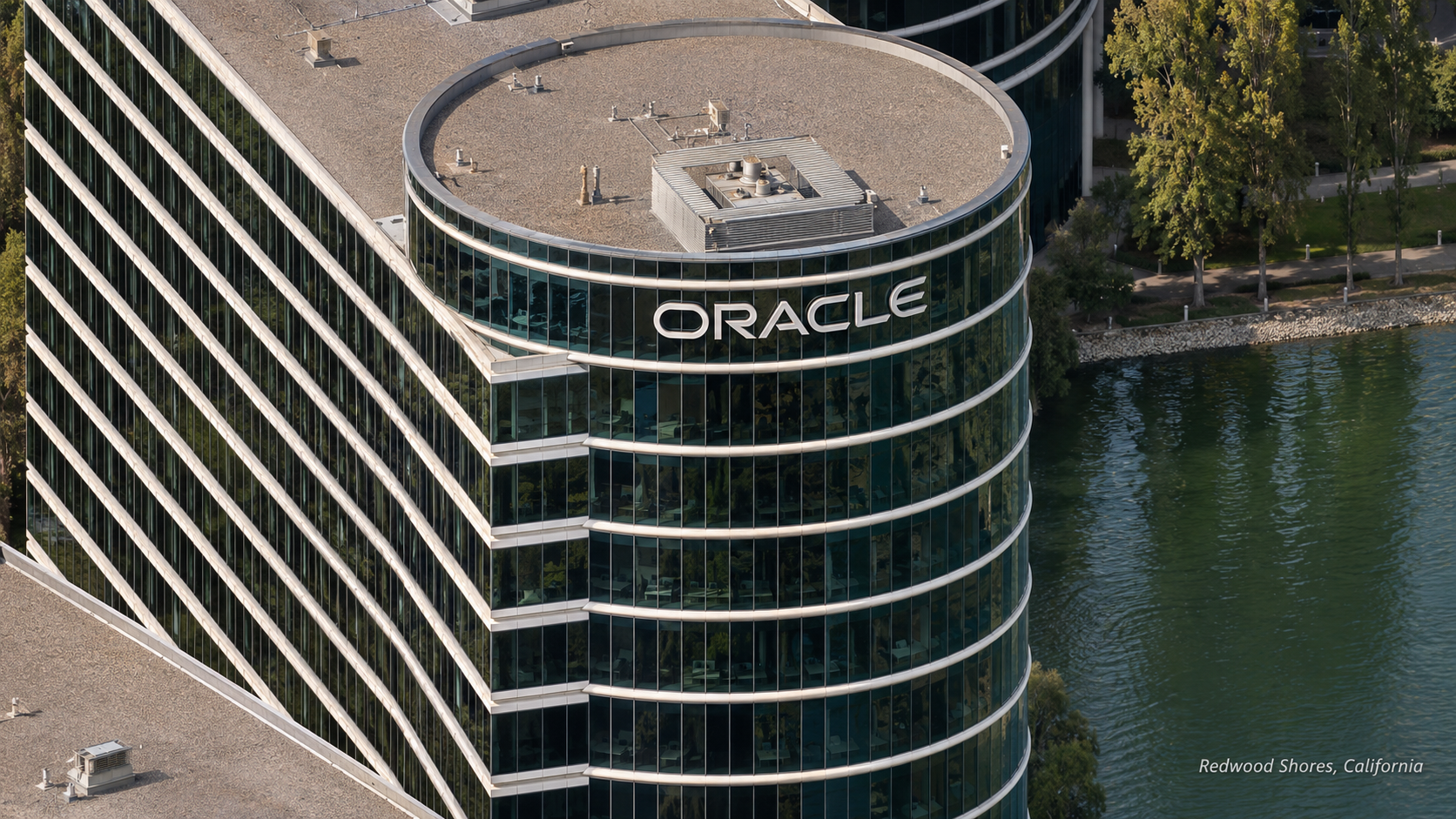
Oracle priced $10 billion of stock and $10 billion of notes to fund its AI buildout. The raise reduces near-term financing uncertainty but adds dilution, expensive debt and pressure to convert a huge backlog into cash.
Oracle has priced $20 billion of new financing, split between common stock and senior notes. The transaction gives the company more capital for its data-center expansion, but it also makes the cost of that expansion easier to measure.
The equity offering consists of 86,206,897 shares at $116 each, producing about $9.9 billion of net proceeds after underwriting discounts and estimated expenses. The debt offering adds five note tranches totaling $10 billion, with coupons ranging from 7.0% for notes due in 2029 to 8.65% for notes due in 2046. Oracle expects about $10 billion of net debt proceeds.
Management said the money may be used for capital spending, debt repayment, investments or acquisitions, dividends and share repurchases. The broad language preserves flexibility, although the larger context is Oracle's rapid buildout of cloud capacity for AI workloads.
The financing addresses a known requirement rather than creating a surprise strategy. Oracle previously outlined a plan to raise about $40 billion in fiscal 2027 through debt and equity. The source reports that the company intends to limit additional capital-market funding through fiscal 2030 after this transaction, excluding refinancings. That intention can reduce the perceived financing overhang, but it is not a binding cap if investment needs change.
The cost is significant. Existing shareholders face dilution from 86.2 million new shares. The notes add high fixed coupons at a time when Oracle's quarterly interest expense had already risen 55% from a year earlier to $1.4 billion, according to the source. Free cash flow was negative $5.4 billion in the same quarter.
Oracle's strongest counterweight is contracted demand. Remaining performance obligations reached $664 billion in the fiscal first quarter. That figure represents contracted revenue that has not yet been recognized, not cash already collected, and the timing of conversion matters. Large data-center projects require servers, networking, power and construction before the associated revenue and cash arrive.
The market's one-day reversal, from a sharp decline when the financing was announced to a 6% rebound after pricing, shows that investors are weighing certainty against cost. The raise makes near-term funding more concrete. It does not answer whether new capacity will reach service on time or earn enough to cover dilution and interest.
The next decisive evidence will be operating: cloud revenue growth, capital spending, free cash flow and interest expense. If Oracle converts its backlog into cash on schedule, the financing will look like a bridge to scale. If projects slip, the same $20 billion will look like a more expensive balance-sheet commitment.
Image references: · Rehman Abubakr (CC BY-SA 4.0)
Frequently asked questions
What is "Oracle's $20 Billion Raise Buys Time at a High Price" about?
Oracle's $20B stock and bond sale funds AI capacity but adds 86.2M shares, coupons up to 8.65% and pressure to convert backlog into cash.
What is the market context?
Oracle has priced $20 billion of new financing, split between common stock and senior notes. The transaction gives the company more capital for its data-center expansion, but it also makes the cost of that expansion easier to measure. The equity offering consists of 86,206,897 shares at $116 each, producing about $9.9 billion of net proceeds after underwriting discounts and estimated expenses.…