



QatarEnergy Buys Into Chevron's Offshore Namibia Search
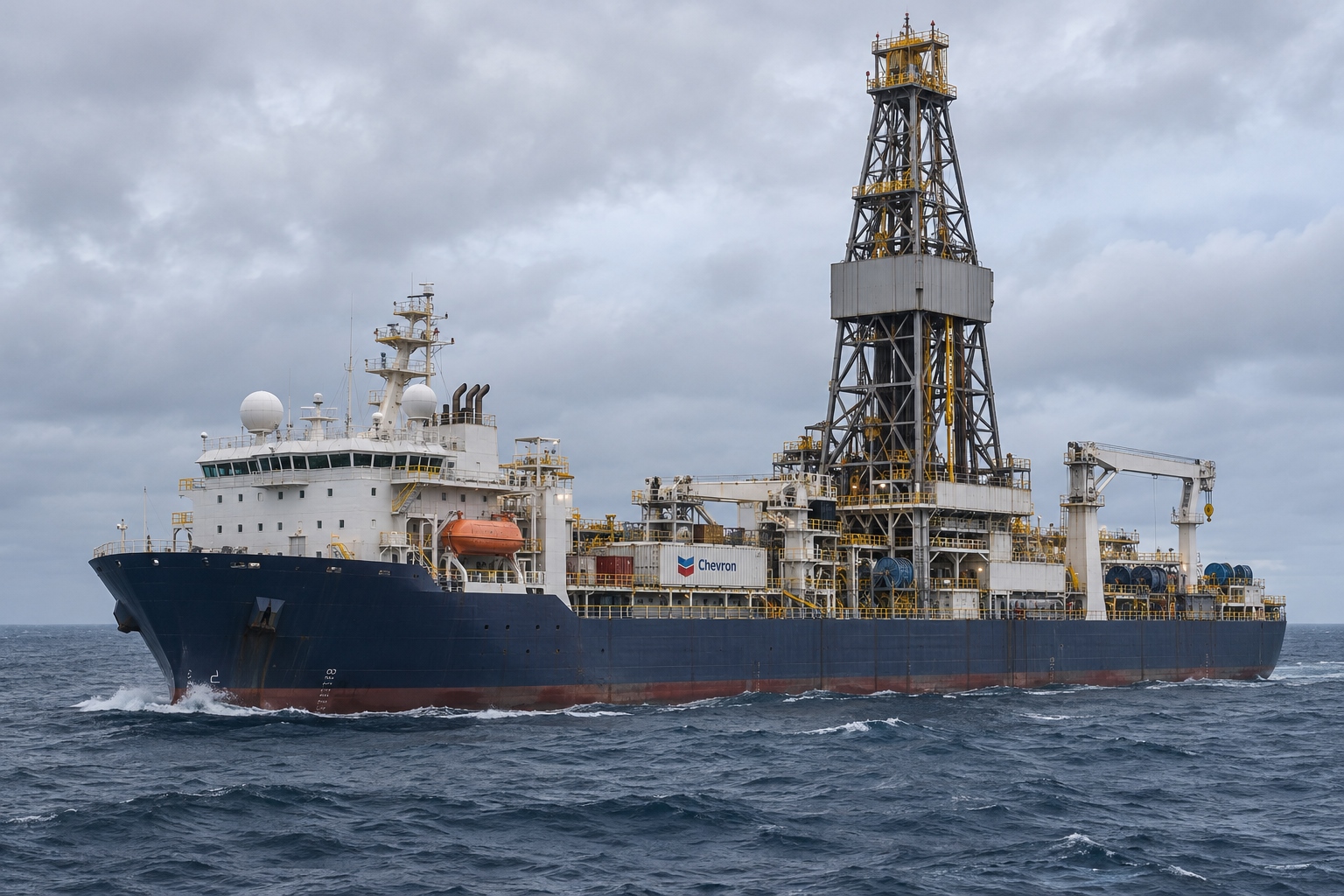
QatarEnergy agreed to acquire 25% of offshore Namibia license PEL 82 from Chevron. The transaction adds a deep-pocketed partner, but regulatory approval and exploration results still stand between the license and production.
QatarEnergy has agreed to acquire a 25% interest in offshore Namibia exploration license PEL 82 from Chevron, adding another major energy company to the search for oil and gas in the Walvis Basin. The deal remains subject to regulatory approvals, and the parties did not disclose financial terms.
Chevron will remain operator with a 55% interest after the transaction. Namibia's state oil company NAMCOR Exploration and Production and Custos Energy will each retain 10%. Sintana Energy holds a 49% interest in Custos, giving it an indirect 4.9% economic interest in the license.
PEL 82 covers about 11,444 square kilometers in water depths ranging from roughly 350 to 2,300 meters. Seismic data cover about 70% of the area, and earlier wells include Wingat-1 and Murombe-1. Those facts make the license more than a blank map, but they do not establish a commercial discovery.
For Chevron, the farm-out spreads exploration cost and geological risk while preserving control of the program. QatarEnergy brings capital and offshore experience, and the two companies already work together on Namibia's PEL 90. A second partnership can improve coordination and technical depth, but it does not by itself change the probability of drilling success.
The ownership change is strategically relevant because Namibia has attracted sustained industry interest after discoveries elsewhere in its offshore basins. PEL 82 is in the Walvis Basin, so results from other areas should not be treated as proof that this license contains commercially recoverable hydrocarbons. Exploration remains a sequence of seismic interpretation, well selection, drilling, appraisal and development decisions.
The transaction's undisclosed price also limits what investors can infer. QatarEnergy's willingness to buy a 25% stake is evidence that it sees enough potential to fund further work, but without the purchase price, work commitments or drilling schedule, the market cannot measure the value assigned to the acreage.
The next decision-relevant milestones are regulatory approval, a firm exploration plan and drilling results. Until those arrive, the deal is best understood as portfolio and risk sharing rather than a production catalyst.
That distinction matters for Chevron shareholders. A successful discovery could add a long-dated growth option, while a dry well would be contained within a diversified global portfolio and shared among partners. The immediate development is the strengthening of the joint venture, not the creation of reserves, revenue or cash flow.
Image references: · Chevron (Official factual background)
Frequently asked questions
What is "QatarEnergy Buys Into Chevron's Offshore Namibia Search" about?
QatarEnergy will buy 25% of offshore Namibia license PEL 82 from Chevron, adding a partner while exploration and regulatory risks remain.
What is the market context?
QatarEnergy has agreed to acquire a 25% interest in offshore Namibia exploration license PEL 82 from Chevron, adding another major energy company to the search for oil and gas in the Walvis Basin. The deal remains subject to regulatory approvals, and the parties did not disclose financial terms. Chevron will remain operator with a 55% interest after the transaction. Namibia's state oil company…
When was this article published?
It was published on 11 / 11 / 2026 by Be The Investor Research.