


 Be The Investor Research
Costco’s traffic and digital sales put its premium to the test
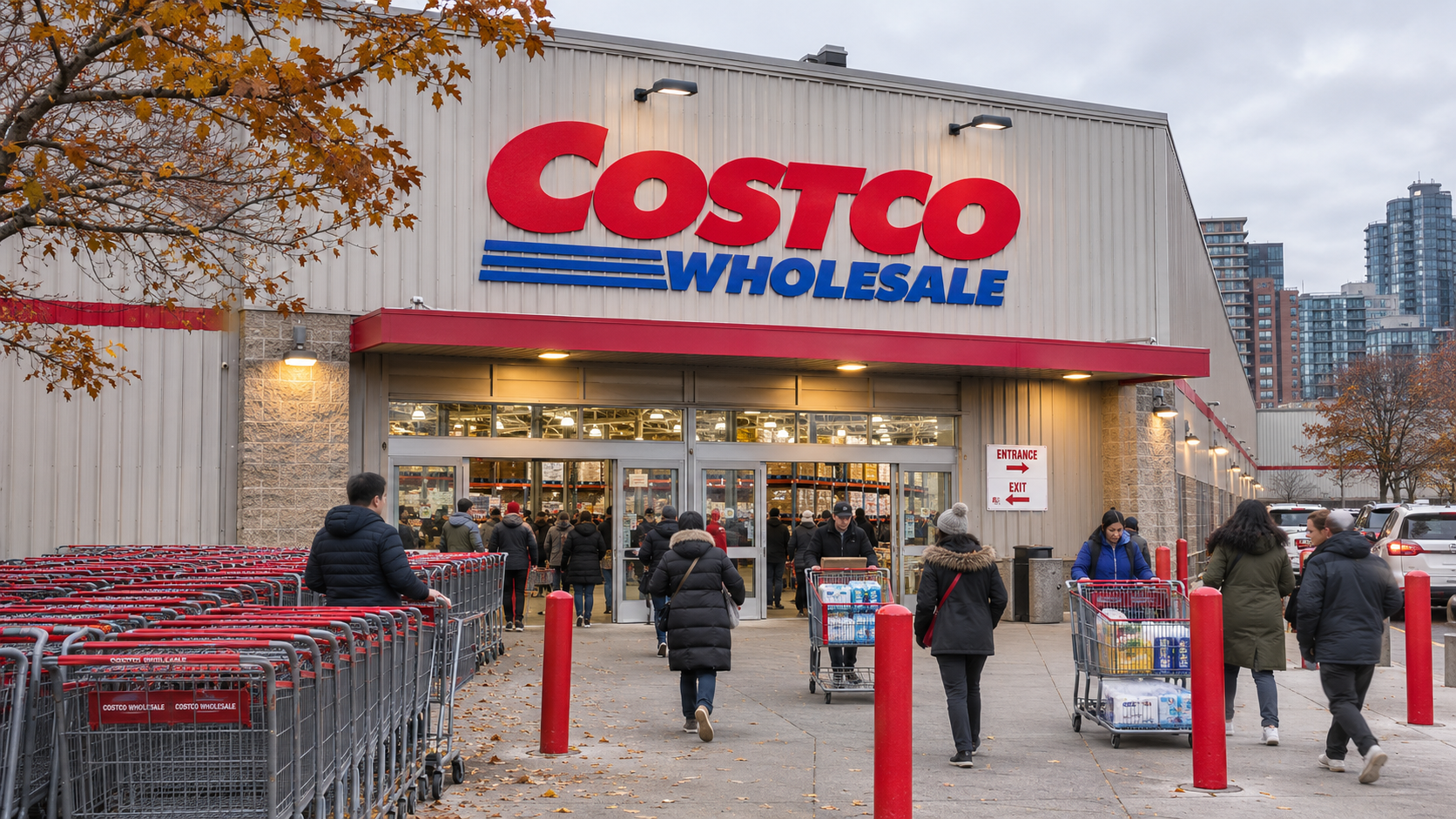
Costco’s October shoppers made more visits and initiated more purchases digitally. Those signs of demand matter more to the stock’s premium than another special payout, especially after the membership fee increase stops helping year-over-year comparisons.
Costco’s sales rose 12.6% in the four weeks through November 1, but the more useful evidence for investors is what members did. Management said worldwide traffic rose 4.1% and sales initiated digitally rose 22.5%. That second measure includes orders placed on a device even if Costco fills them at a warehouse or through Costco Travel; it does not mean conventional online deliveries alone rose that fast.
Net sales reached $24.5 billion. On a comparable basis excluding gasoline prices and exchange rates, sales rose 7.3%. Those measures answer different questions: overall sales include more than established operations, while comparable sales strip out some effects that can make a month look stronger. Neither measure shows that the fee increase created additional visits. Traffic still measures trips, not the number of new paid members.
Costco declared a $30 special dividend on November 10, roughly $13.3 billion in total, payable December 4 to holders of record on November 24. It also authorized up to $4 billion in repurchases through November 2030. The authorization is a ceiling, not a spending commitment. Its last fiscal-year balance sheet showed about $20.2 billion in cash and equivalents. That was an August 30 figure; subtracting the dividend from it would not give Costco’s actual cash balance after the December payment.
Membership fees brought in about $5.9 billion in fiscal 2026, compared with about $11.7 billion in operating income. That does not make all fee revenue profit. The U.S. and Canada renewal rate was 92.3% on a trailing basis, while paid-member growth slowed to 3.8% in the fourth quarter from 5.2% in the first. The December 10 report is expected to offer the first quarterly comparison without a year-over-year lift from the September 2024 fee increase, management said. Fourth-quarter reported earnings of $6.75 per share, compared with $5.87 a year earlier, included 15 cents from tariff refunds.
Northcoast Research cut Costco from Buy to Neutral on November 16 after the stock surpassed its $1,100 target, while Freedom Broker had cut the stock to Hold the previous week. TIKR put shares at a record close of $1,113.74 on November 16, up about 13% in a month and roughly 49 times forward earnings, compared with a five-year average of 43. Its reported Bank of America target of $1,257 and average analyst target of $1,078 show how widely assumptions vary.
At TIKR’s normalized fiscal 2028 earnings estimate of $25.02 per share, a $1,200 price would require investors to pay roughly 48 times earnings. Using 43 times gives about $1,076 on the same estimate, with no change in the assumed profit. Those are valuation scenarios, not predictions. Sustained traffic, renewal rates and paid-member additions would be a better reason to keep paying a premium than the timing of a one-time check.
Image references: · מקור ייחוס · מקור ייחוס · מקור ייחוס
Frequently asked questions
What is "Costco’s traffic and digital sales put its premium to the test" about?
Costco reported higher October traffic and digitally initiated sales. Its membership growth will matter more after the earlier fee boost fades.
What is the market context?
Costco’s sales rose 12.6% in the four weeks through November 1, but the more useful evidence for investors is what members did. Management said worldwide traffic rose 4.1% and sales initiated digitally rose 22.5%. That second measure includes orders placed on a device even if Costco fills them at a warehouse or through Costco Travel; it does not mean conventional online deliveries alone rose that…