


 Be The Investor Research
AST SpaceMobile’s $60 scenario depends on when customers can use the network
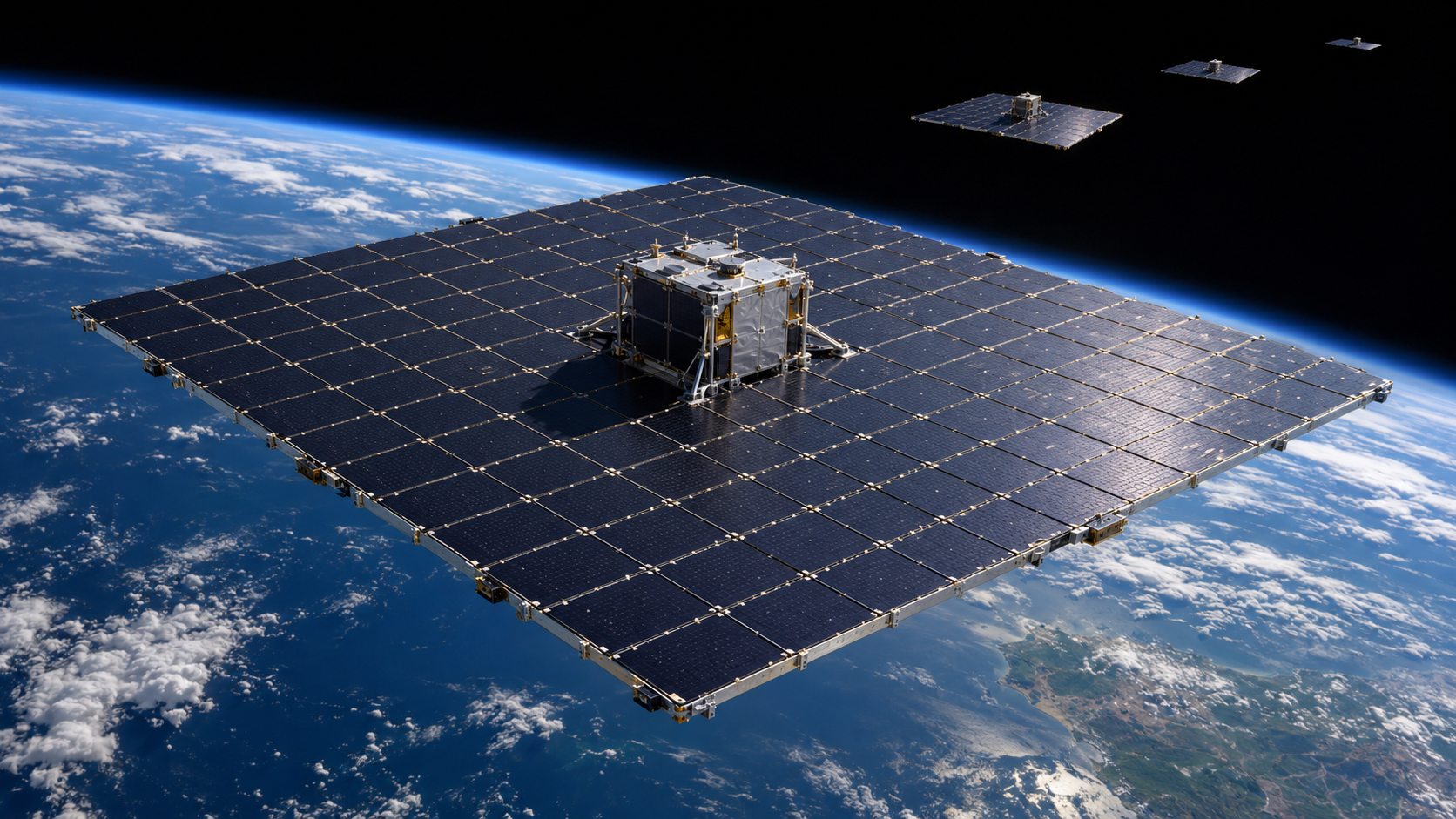
Analyst forecasts call for AST SpaceMobile’s sales to more than triple in 2027. Management’s separate figure for the first 12 months after commercial service begins puts launch dates and the pace of customer adoption at the center of the valuation.
AST SpaceMobile expects to switch on limited satellite coverage before the end of 2026. What investors still do not know is how soon ordinary phone users will be able to buy reliable service from their carriers. That distinction matters to a November 16 valuation exercise by 24/7 Wall St.: at $60 a share, AST would be worth about $18 billion on roughly 301 million Class A shares alone. That is about 30 times the publication’s 2027 consensus sales estimate, before counting AST’s other classes and the interests they represent.
The publication used a $31.66 price snapshot and cited an average analyst target of $66.18. A rise from $31.66 to $60 would be about 89.5%; the average target was about 109% above the snapshot. The sales estimates rose from $167.2 million in 2026 to $609.1 million in 2027, an increase of about 264%. At the same time, the consensus for the 2027 loss widened from $0.69 to $1.28 per share in about three months. AST reported a September-quarter loss of $0.44 per share, slightly smaller than the $0.45 analysts expected in that comparison, but its $42.3 million in sales missed their $46 million estimate.
On the November 9 earnings call, President Scott Wisniewski said sales could approach $1 billion in the 12 months after commercial service begins. He did not give calendar-year 2027 revenue guidance, and that period could start later than investors expect. The figure is also not a forecast of $1 billion in consumer subscriptions. Gateways that link satellites to carrier networks and government work already drive sales. Management cited a roughly $100 million Space Force sensing award, one of 16 U.S. government awards to date, and discussed more than $100 million of U.S. government revenue as a possible component next year. The company kept its formal 2026 sales forecast at $150 million to $200 million.
AST aims to provide intermittent coverage first in the United States, Canada, Japan, Saudi Arabia and the United Kingdom. Its more than 60 carrier relationships represent access to a potential audience of more than 3 billion subscribers, not a count of AST customers. Management expects beta trials early in 2027 and discussed about 25 satellites as preferable for those tests. Its target for roughly 45 BlueBird satellites in orbit has moved to mid-2027. AST aims to build six satellites a month by December using custom chips that the company says increase processing bandwidth tenfold over the first group in orbit. A faster production line still needs confirmed launch dates from providers including SpaceX and Blue Origin.
At September 30, AST had $2.80 billion in cash and equivalents and about $435 million more in restricted cash. It had about $4.1 billion in long-term debt on a carrying-value basis. Management expects to spend $400 million to $500 million on capital projects in the December quarter, partly because of when launch payments fall due. Japan’s roughly $1 billion funding arrangement supports development and launch for a Rakuten-led venture; it is not unrestricted cash on AST’s balance sheet. A separate $1.2 billion of potential U.S. quasi-governmental financing for 2027 remains a pipeline, not secured proceeds.
Using the same Class A share count and the same 2027 sales estimate, the publication’s price snapshot implies about 16 times sales. Neither that figure nor the $60 scenario is a fully diluted valuation. The difference between them is the price investors would pay for the same forecast. Satellite launches and the start of paid service can change that forecast, whereas a rebound to an old share price would not by itself improve the economics.
Image references: · מקור ייחוס · מקור ייחוס · מקור ייחוס
Frequently asked questions
What is "AST SpaceMobile’s $60 scenario depends on when customers can use the network" about?
AST SpaceMobile expects limited service first. A $60 share price would put a high value on forecast sales that depend on launches and customer adoption.
What is the market context?
AST SpaceMobile expects to switch on limited satellite coverage before the end of 2026. What investors still do not know is how soon ordinary phone users will be able to buy reliable service from their carriers. That distinction matters to a November 16 valuation exercise by 24/7 Wall St.: at $60 a share, AST would be worth about $18 billion on roughly 301 million Class A shares alone. That is…