


 Be The Investor Research
AI Stock Analysis: Which Tools Fit Your Research Needs
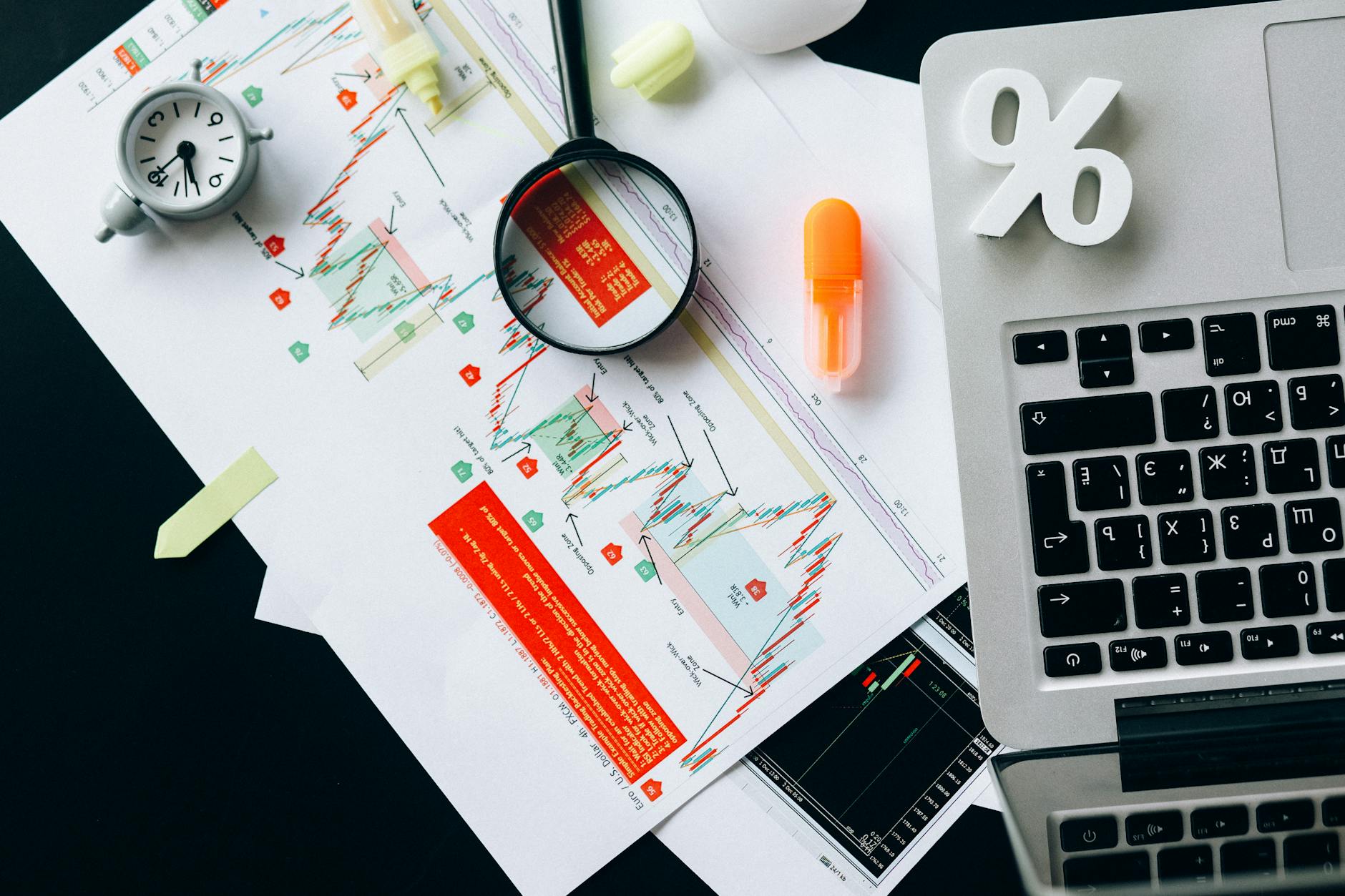
Choose an AI stock-analysis tool by the research task it must complete, the evidence it exposes and the verification it requires. This guide maps tasks to capabilities, provides a reusable selection sheet and shows how to measure a hypothetical time saving without confusing faster research with better investment returns.
The right AI stock-analysis tool is the one that completes a defined research task with evidence you can inspect. Start with the decision and required output: extracting a reported figure, comparing business risks, testing a valuation assumption or organizing a monitoring note. A fluent answer alone does not establish that the tool fits the job.
This is a selection framework, not a ranking of vendors. It does not claim that any platform was benchmarked or that one tool improves returns. Use the fundamental stock-research guide to define the underlying investigation before choosing software to support it.
Separate the research jobs
An assistant that summarizes documents and a screener that applies numerical filters solve different problems. Combining them can be useful, but neither output should silently become an investment conclusion. For every tool, write down what it receives, what it produces and what a person must verify.
| Research job | Capability to assess | Evidence required | Typical verification question |
|---|---|---|---|
| Read a filing | Document extraction with traceable references | Document, period, page or section | Does the source actually contain the stated figure? |
| Compare businesses | Structured comparison with explicit missing data | Common definitions and aligned periods | Are reported and adjusted figures being mixed? |
| Build a valuation | Editable assumptions and visible calculations | Formula, cash-flow basis and units | Can I reproduce the result independently? |
| Monitor a thesis | Dated notes and source changes | Previous view and new evidence | What changed in the business rather than just the price? |
| Review portfolio exposure | Holdings mapping and disclosed assumptions | Position dates and underlying exposures | Which holdings or accounts are missing? |
Make source access a selection criterion
The joint SEC, NASAA and FINRA investor alert cautions that AI information can be false, incomplete or outdated. A citation therefore needs inspection, not merely counting. Check whether it leads to the original document and whether that document supports the adjacent statement.
Try one question that requires an unavailable input. A useful response should expose the gap and explain what document would resolve it. A system that fills missing figures with plausible numbers increases the verification burden even when its writing reads smoothly. The NIST generative-AI profile describes confidently incorrect output as a recognized risk.
A hypothetical measure of practical usefulness
Assume a manual research note takes 90 minutes. A fictional assisted workflow takes 35 minutes to assemble plus 30 minutes to verify, giving 65 minutes in total. The saving is 25 minutes per completed note. For ten notes, that is 250 minutes, or four hours and ten minutes. These are assumed timings, not results from testing a product.
Now suppose verification instead takes 60 minutes because sources are difficult to locate. Total time becomes 95 minutes, five minutes more than the manual process. Measure the complete task, including corrections and rejected outputs. Counting only generation speed can reverse the conclusion.
Also record quality failures separately. A faster note with an unresolved material error is not equivalent to a slower, verified note. Time savings do not imply improved returns, and a tool's past answers do not establish its reliability for a different company or document format.
A reusable tool-selection sheet
- Task: Write one question and the final output you need.
- Inputs: List the documents, periods and units the task requires.
- Acceptance: Define which figures and statements must be independently reproducible.
- Failure handling: Record what happens when data are missing or contradictory.
- Workflow: Check whether notes, citations and assumptions can be retained.
- Access: Verify current permissions, data coverage and applicable terms directly.
- Decision: Keep, restrict to a narrower task, or reject the tool for this workflow.
Practice with an Apple filing
Open Apple's official SEC-filings index and select an annual report. Ask an assistant to identify the reporting period and locate a business risk, giving a section reference. Verify the passage yourself. The exercise tests document navigation; it makes no claim about Apple's current outlook or valuation.
For a research workspace, begin with JINI, then record the result in the investment-thesis workflow. Evaluate the actual output and available evidence before relying on any interface.
Frequently asked questions
Does more detailed writing mean better analysis?
No. Judge whether the material claims are supported and the calculations can be reproduced. Length is not a substitute for evidence.
Can one assistant replace every research tool?
Assess each task separately. A satisfactory document summary does not establish accurate market data, correct valuation calculations or complete portfolio coverage.
What should I do with a confident answer that lacks a source?
Treat the material claim as unverified. Request the original evidence, check it, or remove that claim from the decision record.
Sources and research notes
Primary reference pages checked on November 13, 2026. Reopen issuer documents before using current figures. The examples and evaluation templates are original educational illustrations.
- SEC, NASAA and FINRA: Artificial Intelligence and Investment Fraud
- NIST: Generative Artificial Intelligence Profile
- Apple Investor Relations: SEC Filings
Educational material, not a personalized investment recommendation. Hypothetical inputs are not forecasts or observed product results.
Related guides
- How to Compare AI Research Tools
- Stock Analysis Subscriptions: Compare Access and Tools
- Explore the complete investor learning path
Prepared with AI assistance for Be The Investor Research. This educational guide includes hypothetical examples, not personalized investment advice. Sources were checked on November 13, 2026. Verify current issuer data and product terms before relying on them. Read our editorial standards.