


 Be The Investor Research
Zebra's Q3 Beat Could Not Offset a Cautious Q4 Profit Range
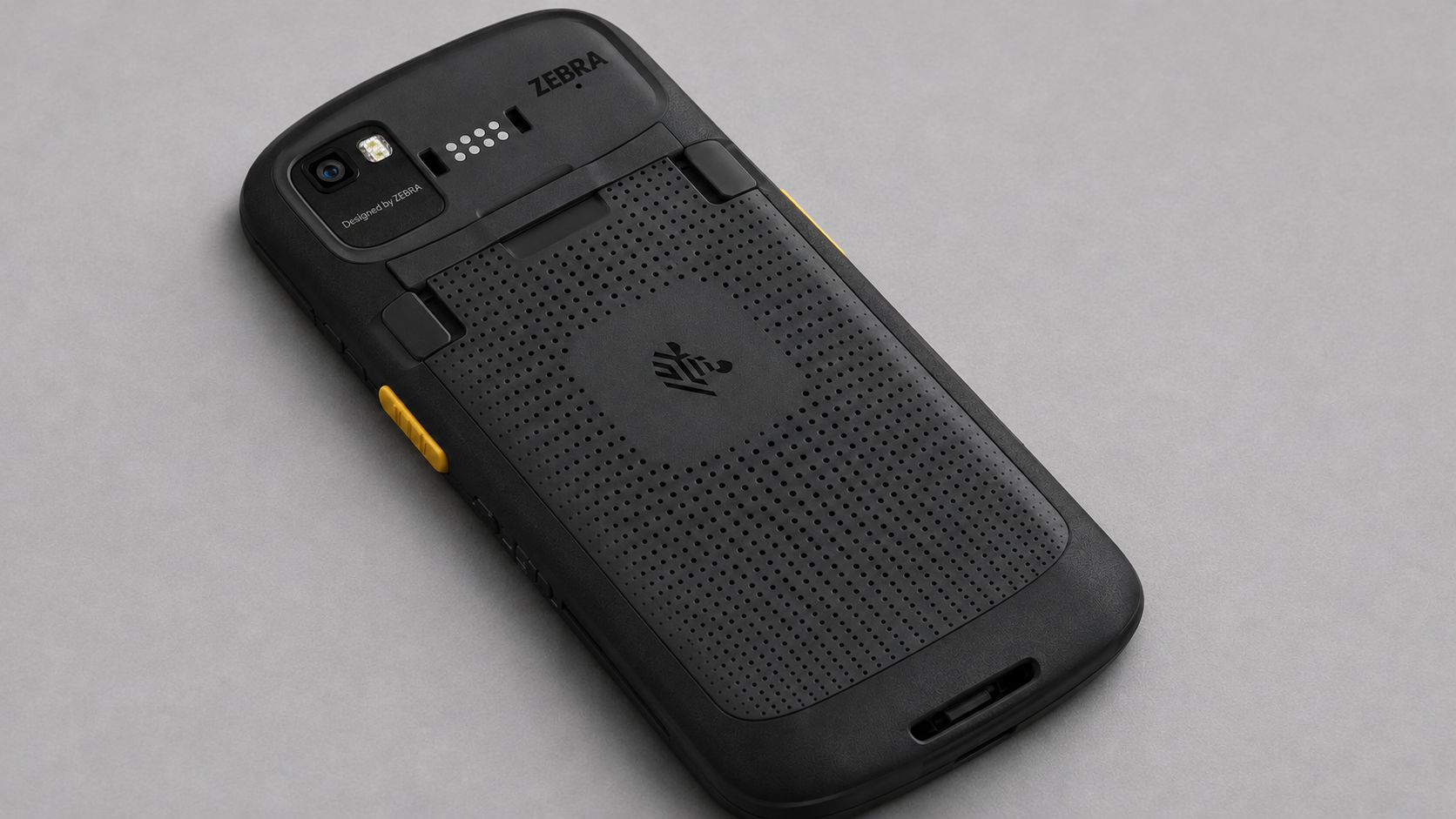
Zebra Technologies posted double-digit revenue growth and an earnings beat, but the market focused on a fourth-quarter EPS range that left little room above consensus.
Zebra Technologies delivered a strong third quarter, yet its shares fell sharply because the fourth-quarter outlook did not extend the same upside surprise.
Revenue rose 22.3% from a year earlier to $1.61 billion, ahead of the $1.57 billion analyst estimate cited by the source. Adjusted earnings were $4.95 per share, versus the cited $4.89 consensus. Reported net income increased to $164 million from $101 million, and reported diluted earnings per share rose to $3.43 from $1.97.
The business also held its adjusted profitability steady while absorbing a larger operating base. Adjusted EBITDA reached $349 million, or 21.6% of adjusted net sales, matching the prior-year margin. Management said broad customer demand and the Elo Touch business contributed to the double-digit sales increase.
Investors instead focused on the next quarter. Zebra projected fourth-quarter adjusted earnings of $5.00 to $5.40 per share. The midpoint, $5.20, was one cent below the consensus estimate quoted in the source. That gap is too small to explain an 8% premarket decline on its own. A more useful reading is that the valuation and recent expectations left little tolerance for a guide that merely matched the market rather than beating it.
The rest of the outlook was not weak. Zebra expects fourth-quarter sales growth of 10% to 14%, including about 1.5 percentage points of favorable currency impact, and an adjusted EBITDA margin near 22%. The company also expects at least $1 billion of free cash flow for 2026. It had generated $661 million through the first nine months, which implies at least $339 million in the fourth quarter to meet that floor.
Capital allocation adds another layer. Zebra repurchased about $643 million of stock during the first nine months. Buybacks can support per-share results, but the more important test is whether cash generation remains strong after integration spending and working-capital needs.
The quarter therefore looks better than the initial share-price reaction suggests, but the burden of proof has shifted to execution. Investors should watch whether double-digit sales growth holds, whether the fourth-quarter EBITDA margin reaches roughly 22%, and whether free cash flow clears the full-year target without sacrificing investment in automation products.
Image references: · Actual Zebra TC53 product photograph via Microless (Reference copyright retained by its owner; factual visual research, no CC grant claimed.)