


 Be The Investor Research
Joby's Blade Growth Buys Time for the Harder Certification Test
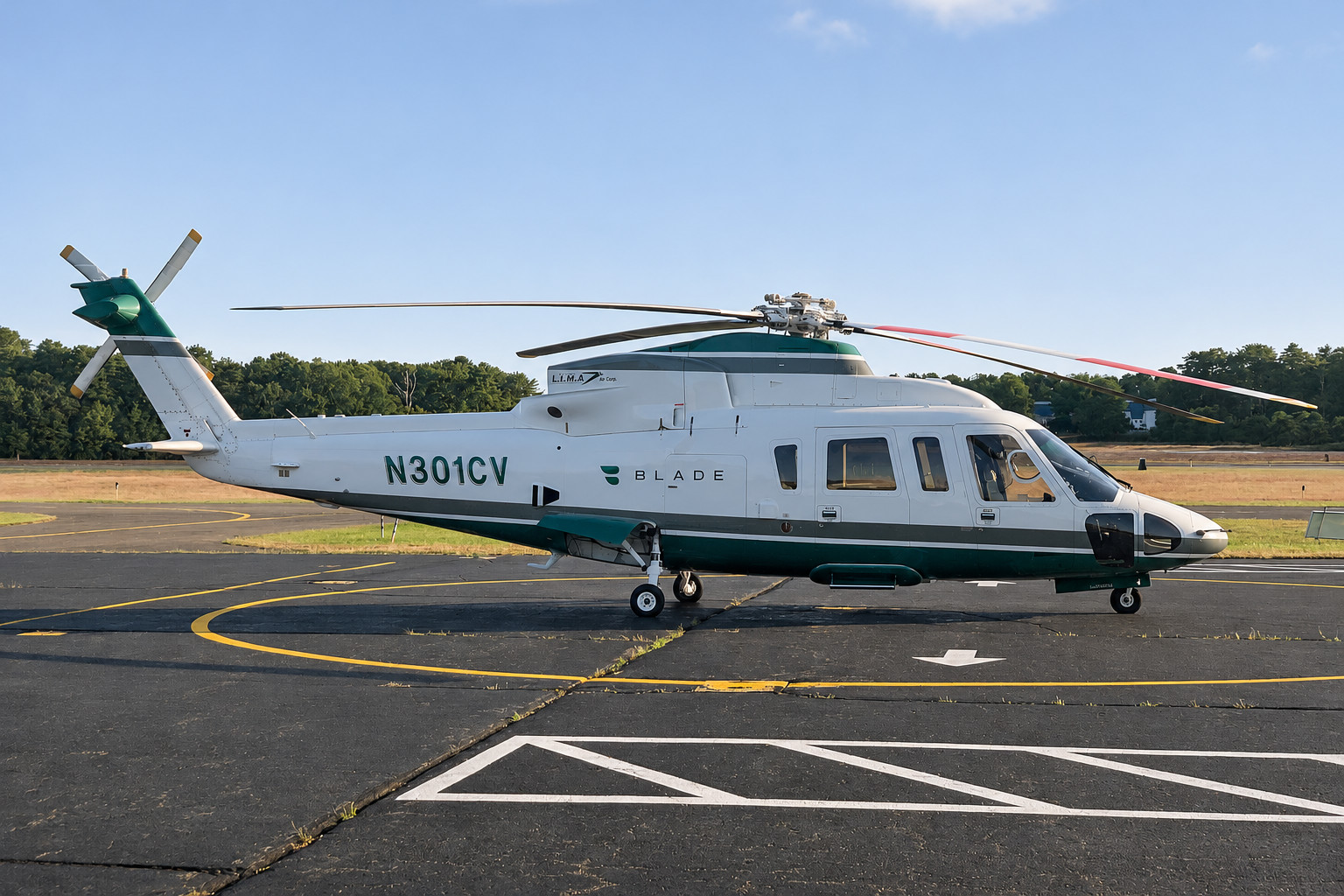
Blade lifted Joby’s quarterly revenue and full-year outlook, but large operating losses, certification timing and a planned defense acquisition keep cash use and regulatory progress central.
Joby Aviation's third-quarter revenue beat came from a business that already carries passengers, not from the electric air taxi it is still trying to certify. Revenue reached $55.1 million, up from $22.6 million a year earlier, with $53.2 million of passenger revenue generated primarily by Blade. The company raised its 2026 revenue outlook to $135 million to $140 million from $115 million to $125 million after Blade flew more than 44,000 passengers, a quarterly record.
That distinction matters. Blade gives Joby an operating network, customer relationships and real revenue while the air taxi remains pre-commercial. It also explains why the quarter can look stronger without proving that Joby's core aircraft program is ready to generate revenue. The reported net loss was $211.8 million, including a $49.8 million non-cash gain from revaluing warrants, earnout shares and contingent consideration. Joby's operating loss was $278.1 million, and its adjusted EBITDA loss was $207.9 million.
Certification progress is the more important operating signal. Joby said it completed a range of testing that counts toward Federal Aviation Administration approval, covering components including the fuselage, propeller hubs, tail and flight-control hardware. As of October 30, Joby reported that it had completed 83% of its work in the fourth certification stage, while the FAA had completed 78%. The company expects FAA pilot training and its own testing of aircraft built for Type Inspection Authorization to begin in the first half of 2027.
That timing makes certification the main schedule risk. Joby completed demonstration flights in Texas and Florida under the federal electric vertical takeoff and landing integration program, but commercial passenger operations still depend on substantial certification flight testing and regulatory approval. A successful demonstration is not the same as permission to operate a paid service.
Manufacturing has moved ahead of certification. Joby said 17 aircraft were in production, increasing the amount of capital committed before type approval. The company used $195 million of cash, cash equivalents and short-term investments during the quarter and maintained second-half cash-use guidance of $385 million to $415 million. It ended September with $2.20 billion of cash and short-term investments, including about $128 million raised through its at-the-market stock program.
The balance sheet provides time, but it is not costless. Joby's September filing showed $702.6 million of long-term debt, largely from convertible notes issued in February. Continued certification work, manufacturing expansion and commercial preparation will consume cash before the air taxi business can contribute meaningful revenue.
Joby is also building a defense operation alongside the commercial program. Its autonomous J208 aircraft completed a 3,199-mile coast-to-coast flight without a reported disengagement, and U.S. Air Force commitments for autonomy work increased to nearly $37 million. The planned $500 million acquisition of Resonant Sciences would add more than $100 million of trailing revenue, classified infrastructure and defense manufacturing capabilities. Joby expects to pay about $450 million in cash and $50 million in shares, subject to regulatory approvals and other closing conditions.
The transaction could diversify revenue and give Joby's defense technology a dedicated organization, but it also introduces integration risk and a large cash commitment. Resonant's existing programs do not remove the need to complete air taxi certification.
Investors initially rewarded the quarter, with Joby shares rising about 4% early on November 5 while Archer Aviation and EHang declined. The durable case depends on more than that relative move. Blade must keep growing, cash use must stay within guidance, and certification testing must advance without another material schedule slip. The next decisive evidence will be progress into Type Inspection Authorization flight testing, because that is where Joby's manufacturing investment begins to move closer to a commercial passenger service.
Image references: · Quintin Soloviev (CC BY 4.0)
Frequently asked questions
What is "Joby's Blade Growth Buys Time for the Harder Certification Test" about?
Joby raised its 2026 outlook as Blade passenger revenue grew, while certification timing, cash use and the Resonant acquisition remain key risks.
What is the market context?
Joby Aviation's third-quarter revenue beat came from a business that already carries passengers, not from the electric air taxi it is still trying to certify. Revenue reached $55.1 million, up from $22.6 million a year earlier, with $53.2 million of passenger revenue generated primarily by Blade. The company raised its 2026 revenue outlook to $135 million to $140 million from $115 million to $125…
When was this article published?
It was published on 13 / 11 / 2026 by Be The Investor Research.