


 Be The Investor Research
Seagate and Western Digital Are Both Winning the AI Storage Cycle
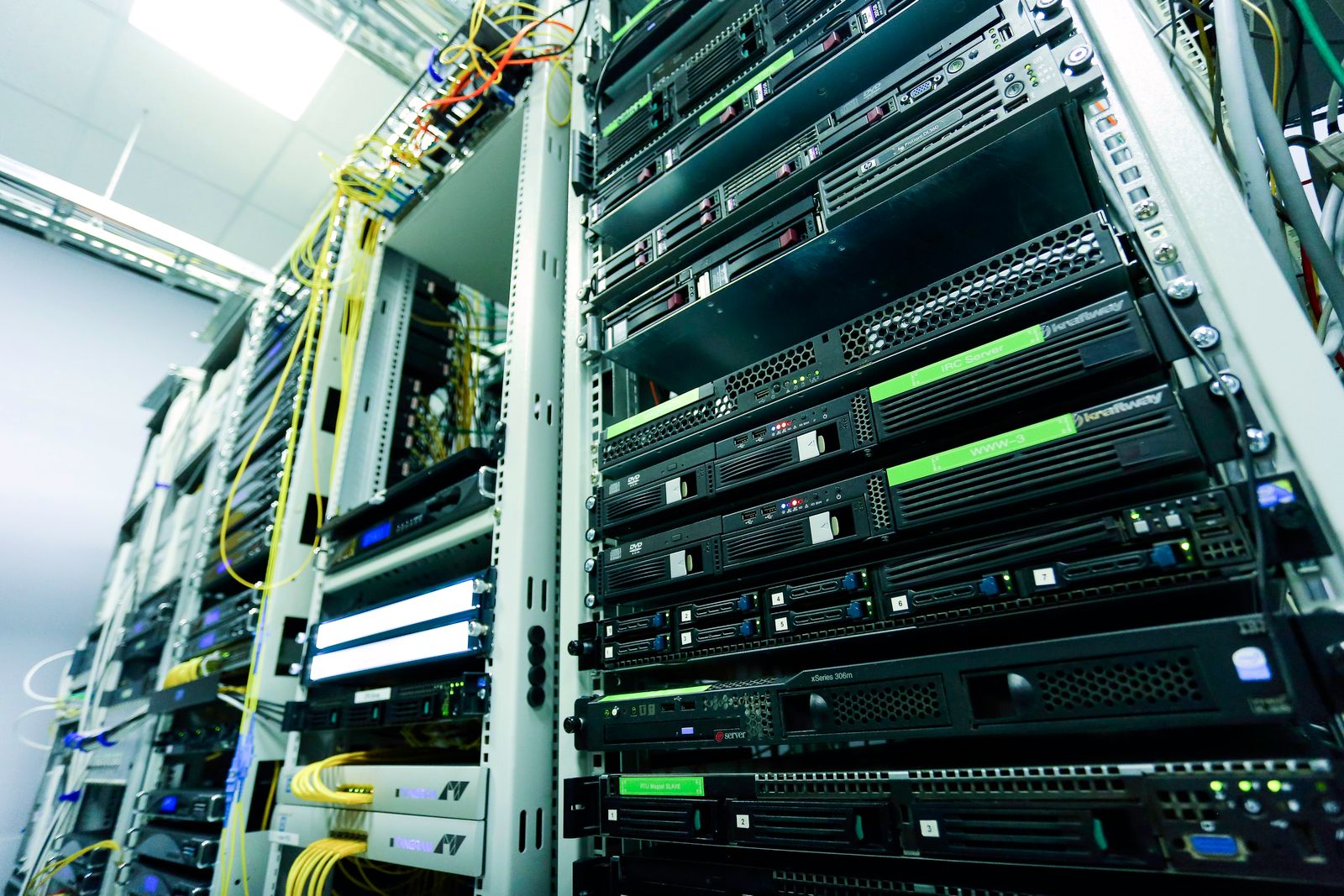
Seagate and Western Digital are turning modest capacity growth into much faster revenue growth. Their technology paths differ today, but both are preparing for HAMR at scale.
Seagate and Western Digital are both benefiting from the AI data-center build, but their latest results show that the opportunity is about more than shipping additional hard drives. Combined fiscal first-quarter 2027 revenue rose 58.1% to $8.614 billion, even though the source analysis estimates that combined storage capacity shipments increased only 21.2%.
That gap points to stronger pricing and a richer product mix. High-capacity nearline drives sold to cloud and enterprise customers accounted for roughly 90% of combined capacity shipments in the source dataset. Western Digital shipped 248 exabytes during the quarter, compared with Seagate's 220 exabytes, but Seagate's revenue grew faster.
Seagate reported $4.233 billion of revenue, up 61% from $2.629 billion a year earlier. GAAP gross margin rose to 57.3% from 39.4%, and free cash flow reached $1.5 billion. Western Digital reported $4.381 billion of revenue, up 55% from $2.818 billion, with GAAP gross margin of 57.8% and free cash flow of $1.38 billion. The two companies produced similar gross margins despite using different near-term technology roadmaps.
Seagate has made heat-assisted magnetic recording, or HAMR, central to its Mozaic platform. HAMR briefly heats a tiny area of the disk so data can be written to more stable magnetic material at higher density. If Seagate can raise capacity per drive without sacrificing manufacturing yield or reliability, customers can store more data in the same rack space and Seagate can capture more revenue without a proportional increase in drive units.
Western Digital's current volume leadership relies heavily on ePMR and UltraSMR. UltraSMR overlaps data tracks to raise density, building on a more established manufacturing base. That can reduce near-term transition risk, but it places a premium on software compatibility, workload suitability and continued improvements in conventional recording technology.
The original comparison treats HAMR and UltraSMR as rival endpoints, but that is too simple. HAMR describes how data is written to magnetic media, while SMR describes how tracks are arranged. The methods are not mutually exclusive. Western Digital's own February 2026 roadmap said a 40-terabyte UltraSMR ePMR drive was in customer qualification and that its HAMR roadmap was scaling toward capacities above 100 terabytes. The real contest is therefore execution: Seagate is commercializing HAMR sooner at scale, while Western Digital is extending ePMR and UltraSMR and qualifying its own HAMR products.
Near-term guidance suggests that both companies still have momentum. Seagate expects fiscal second-quarter revenue of $4.8 billion, plus or minus $100 million, and non-GAAP earnings of $9.20 per share, plus or minus $0.20. Western Digital expects revenue of $5.1 billion, plus or minus $100 million, non-GAAP gross margin of 60% to 61%, and non-GAAP earnings of $5.80 per share, plus or minus $0.20. The per-share figures are not directly comparable because the companies have different share counts and capital structures.
The main risk is that current economics depend on disciplined supply and concentrated hyperscale demand. If manufacturers add too much unit capacity, or if cloud customers slow infrastructure spending, pricing could weaken quickly. Technology transitions also carry yield and reliability risks that may not be visible in early revenue growth.
For now, Seagate has the clearer HAMR execution story and slightly stronger revenue growth, while Western Digital has higher shipped capacity, a marginally higher GAAP gross margin and a broader transition path. Investors do not need to choose between a winner and a loser yet. The more useful test is whether revenue continues to outpace exabyte growth while both companies protect margins as their technology roadmaps converge.