


 Be The Investor Research
USPS Plans a Weekly Fuel Surcharge for Packages in 2027
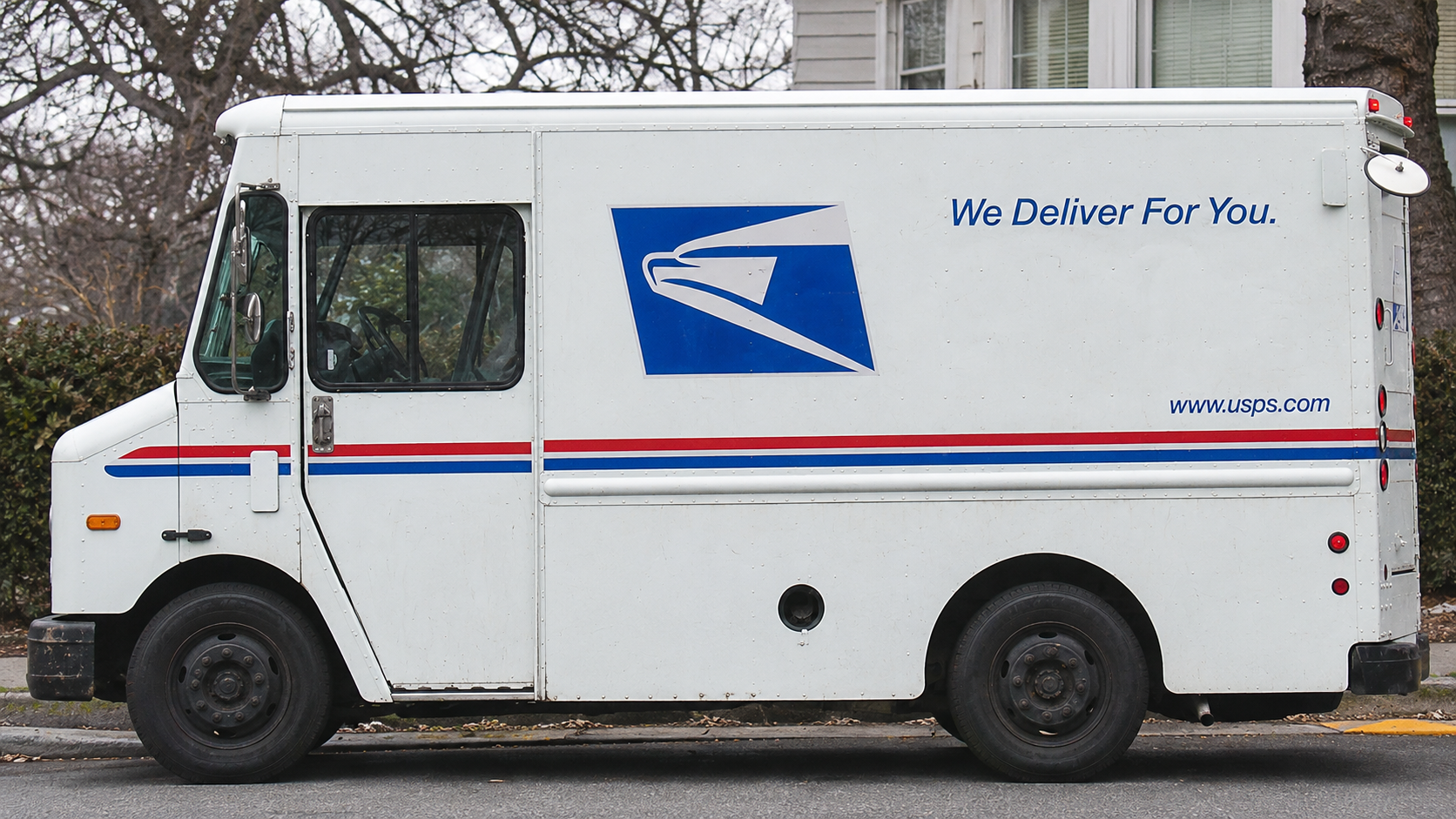
USPS plans to replace a temporary package-price adjustment with a weekly fuel-linked surcharge in 2027, but the agency has not yet published the exact rates or start date.
The U.S. Postal Service plans to introduce a weekly fuel surcharge for several domestic package products in 2027, shifting part of its transportation costs into a variable fee that can rise or fall with energy prices.
The planned mechanism would apply to Priority Mail Express, Priority Mail, Ground Advantage and Parcel Select. Trade reporting based on a USPS PostalPro frequently asked questions document says the fee will be calculated as a percentage of base postage. Ground Advantage and Parcel Select would be tied to diesel prices, while the Priority products would use a jet-fuel benchmark. Both benchmarks would come from the U.S. Energy Information Administration.
Important details remain missing. USPS has not publicly set the surcharge percentages or the exact January start date. Commercial customers with negotiated service agreements may face different terms. Those gaps make it too early to calculate the effect on a specific shipper, package or competitor.
The new structure follows a temporary 8% base-price increase that USPS announced in March. That adjustment took effect on April 26, 2026 and runs through January 17, 2027. It covers the same four package categories but does not affect stamps or other market-dominant mail. USPS described the temporary increase as a bridge while it developed a fuel-surcharge mechanism.
A variable fee changes the nature of the price rather than simply adding another permanent rate increase. Customers would see transportation costs move more directly with fuel benchmarks, and the surcharge could decline when those benchmarks fall. The weekly reset may also make shipping budgets less predictable for merchants with thin margins or high package volumes.
USPS said in March that its temporary adjustment was less than one-third of the average fuel surcharge imposed by commercial competitors at the time. That comparison provides context, but it does not establish how the 2027 formula will compare with UPS or FedEx once the percentages are published. Competitive effects will depend on each carrier's base rates, discounts, package mix and surcharge rules.
For investors, the development is relevant to the parcel market but does not yet support a directional call on UPS or FedEx. A lower USPS surcharge could pressure rivals in price-sensitive lanes, while a higher or more volatile charge could push some volume toward private carriers. The current evidence does not quantify either outcome.
The next useful documents will be the formal USPS rate notice, the published percentage table and the treatment of negotiated contracts. Until then, the verified conclusion is narrow: USPS intends to adopt a weekly fuel-linked package surcharge after its temporary 8% adjustment ends, but the customer and competitive impact cannot yet be measured.
Image references: · Hoodline actual United States Postal Service LLV delivery truck reference (Reference copyright retained by its owner; factual visual research, no CC grant claimed.)