 Be The Investor Research
Shopify's AI Commerce Bet Gains Scale, but Revenue Proof Is Missing
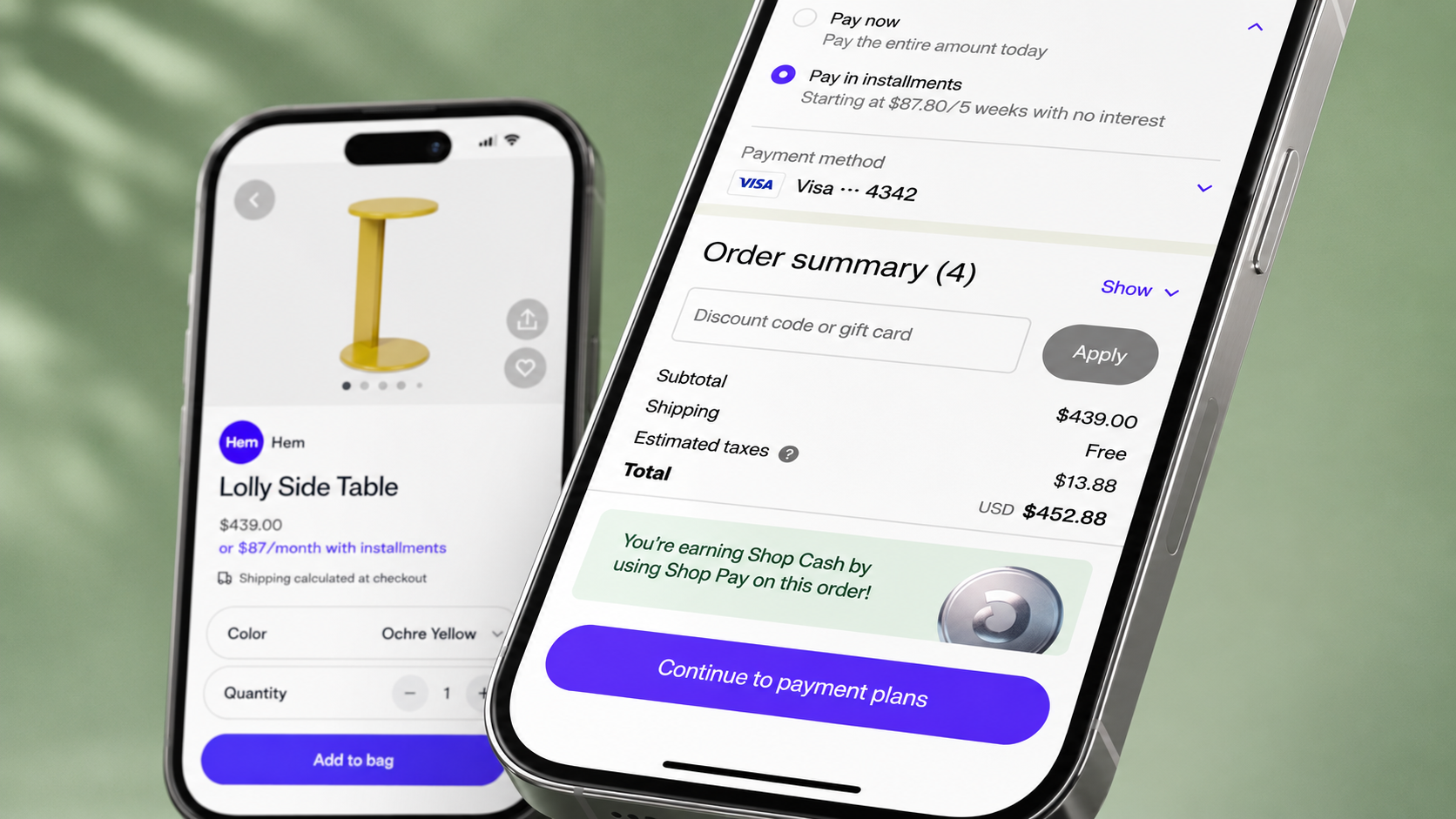
Shopify grew third-quarter revenue 32% and is distributing merchant catalogs across major AI channels. The strategic reach is real, but neither Shopify nor Amazon discloses enough agent-driven sales data to value the opportunity confidently.
Shopify is positioning itself as the commerce layer behind artificial intelligence assistants, but its third-quarter results show why investors should separate platform reach from proven revenue. Sales grew quickly and cash generation improved, while the company still did not disclose how much merchandise AI agents actually sold.
Revenue rose 32% from a year earlier to $3.74 billion in the quarter ended September 30. Gross merchandise volume, the value of orders processed through Shopify, increased 29% to $119.1 billion. Operating income climbed to $568 million from $343 million, and free cash flow reached $816 million, equal to 22% of revenue versus 18% one year earlier.
The market's initial disappointment centered on expectations rather than deterioration. The source report said GMV was about $1 billion below Wall Street's forecast, even as revenue landed within Shopify's low-thirties growth outlook. For the fourth quarter, management again expects revenue to grow at a low-thirties percentage rate, gross profit dollars to rise at a high-twenties rate and free cash flow margin to match the fourth quarter of 2025.
The more strategic question is whether Shopify can remain the checkout and catalog infrastructure when shoppers begin with an AI conversation instead of a store or search engine. Shopify's Agentic Storefronts make eligible merchants discoverable through ChatGPT, Google's AI Mode and Gemini, Microsoft Copilot and Meta services. The details vary by channel. ChatGPT sends buyers to a merchant's online checkout through an in-app browser, while some Google, Microsoft and Meta surfaces can use a Shopify-powered direct checkout.
That distinction matters because "available in an AI channel" does not always mean the purchase occurs inside the assistant. Shopify says merchants retain the customer relationship and post-purchase responsibility, while orders are attributed to the referring agent in the merchant dashboard. The company also says standard payment rates apply, but it has not disclosed agent-originated gross merchandise volume or revenue.
Amazon is building a different ecosystem, although it is not simply closing itself off. Its Shop Direct service lists products from outside merchants, and eligible items can use Buy for Me, which allows Amazon's agent to complete a purchase on the merchant's website. Amazon said in April that Shop Direct included more than 100 million products from over 400,000 merchants. Its own assistant can therefore extend beyond Amazon's marketplace while keeping the customer interaction inside Amazon.
The competitive divide is control. Shopify wants many assistants to use its merchant catalog and commerce infrastructure. Amazon wants its assistant to become the starting point for shopping, including purchases from outside stores. Both models can grow, and neither company provides enough transaction data to establish which is winning.
The source analysis cited TIKR estimates that Shopify's normalized earnings could grow about 33% annually from 2025 through 2028, compared with roughly 25% for Amazon, while Shopify traded at a much higher forward multiple. Those estimates depend on analyst assumptions and should not be treated as company guidance.
For Shopify shareholders, the next proof point is disclosure. Growth in agent-referred traffic is useful, but the stronger evidence would be agent-originated GMV, conversion rates and payment economics by channel. Until those numbers appear, agentic commerce is a credible distribution advantage, not yet a separately measurable earnings engine.
Continue your AMZN research
Image references: · Shopify official Shop Pay mobile commerce demonstration (Reference copyright retained by its owner; factual visual research, no CC grant claimed.)