


 Be The Investor Research
Salesforce's Cresta Deal Extends Its AI Push Into Voice Service
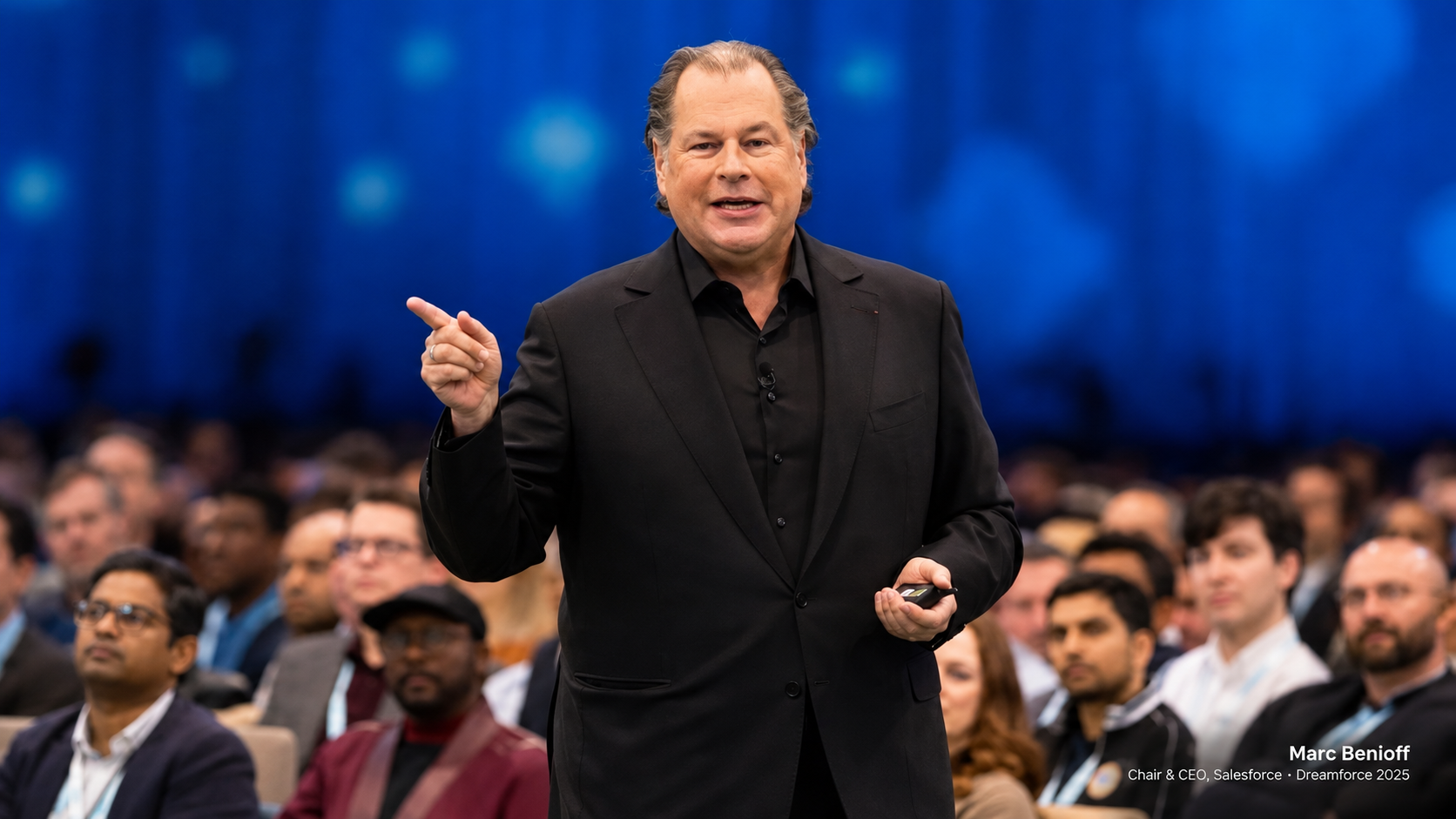
Salesforce agreed to buy Cresta, adding voice agents that can handle complex customer calls. The strategic fit is clear, but undisclosed terms leave the financial return impossible to judge.
Salesforce has agreed to acquire Cresta, a voice-agent platform designed to handle complex customer-service calls and assist human representatives in real time. The deal extends Salesforce's Agentforce strategy into one of the most expensive and difficult parts of customer support: live voice conversations.
Cresta's software can conduct natural conversations, respond to interruptions and complete calls from beginning to end. It also coaches human agents and analyzes interactions. Salesforce plans to combine those capabilities with Service Cloud, connecting what happens during a call with customer histories, workflows and business outcomes such as resolution and retention.
The strategic logic is straightforward. Salesforce already owns the customer record and many of the applications service teams use. Cresta adds technology that understands the conversation itself. If the integration works, a voice agent could identify a customer's issue, access the relevant account information and complete an approved action without transferring the caller between disconnected systems.
Salesforce said Cresta will continue supporting the contact-center and telephony platforms its customers already use. That is an important operating choice. It reduces the risk that customers must replace their phone infrastructure to adopt the product, and it lets Salesforce compete for the AI and workflow layer without owning the underlying call system.
The financial case is much less clear. Salesforce did not disclose the purchase price, payment method, Cresta's revenue, expected cost savings or the transaction's effect on earnings and margins. A third-party report cited in the source article put the price at $2.7 billion, but that figure is not confirmed in Salesforce's announcement. Investors should therefore treat it as reported, not established.
The agreement is expected to close in Salesforce's first fiscal quarter of 2028, roughly the February through April 2027 period, subject to regulatory approvals and customary closing conditions. No acquisition benefit should be treated as certain before closing.
Cresta adds to a busy acquisition pipeline at Salesforce. The company's own merger-and-acquisition archive lists several other AI and data deals, including Rune Technologies, Braze, Loops, Listen Labs and Fin. Buying capabilities can accelerate product development, but every transaction adds integration work, overlapping technology and pressure to prove that acquired revenue will justify the cost.
The next useful disclosure is not another product demonstration. Investors need the consideration, funding mix, revenue contribution and margin impact. They should also watch whether Cresta produces measurable growth in Service Cloud and Agentforce contract value after the deal closes.
Cresta gives Salesforce a credible route into enterprise voice automation, and keeping existing telephony integrations lowers adoption friction. Until the economics are disclosed, however, the deal is strategically understandable but financially unquantified.
Image references: · CRM factual product or documented event reference (Reference copyright retained by its owner; factual visual research, no CC grant claimed.)