


 Be The Investor Research
Fortinet's Results Were Strong, but Services Must Catch Up
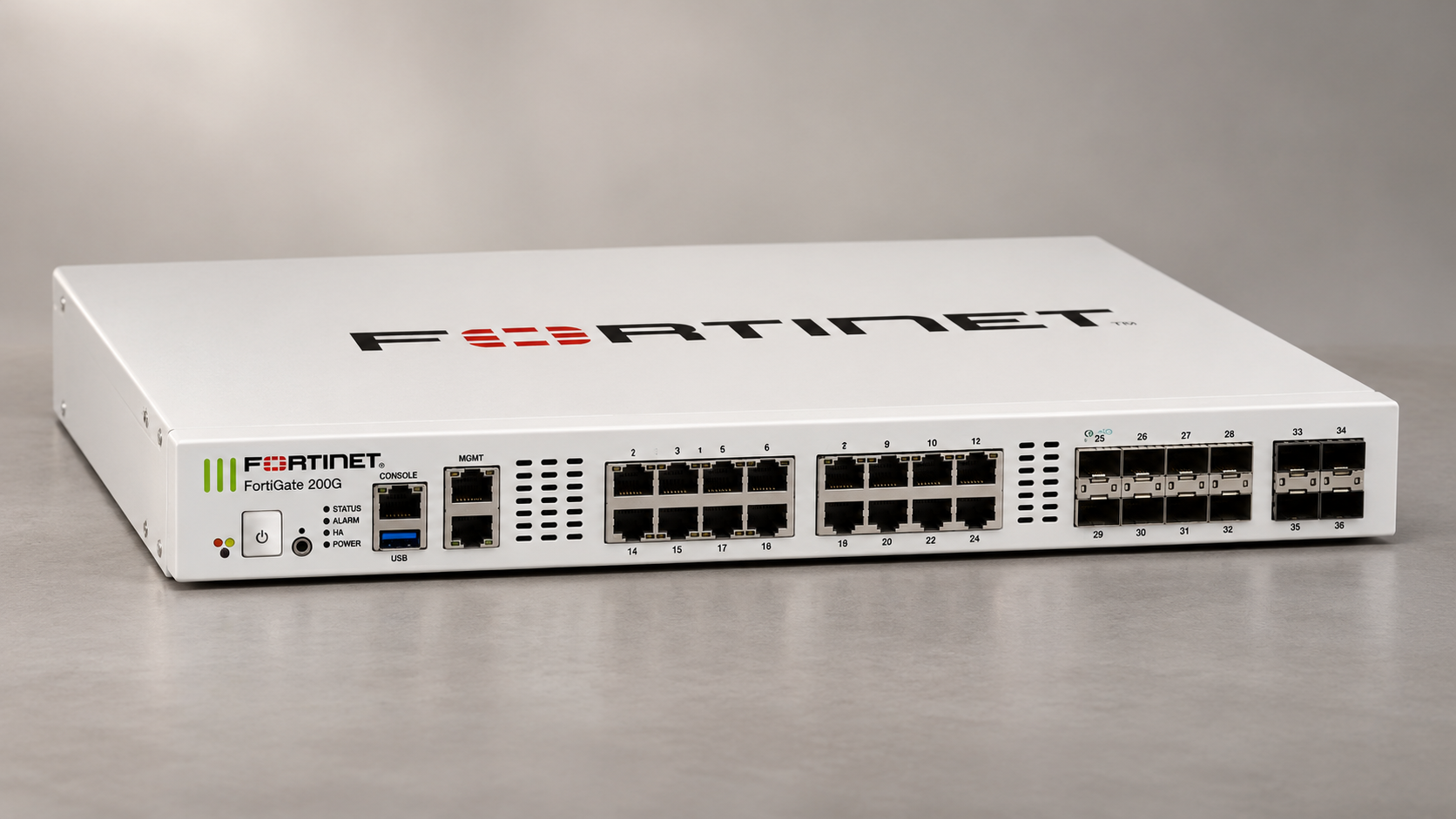
Fortinet grew revenue 20%, billings 29% and free cash flow 52%, yet the shares fell as investors questioned slower product momentum and the timing of service-revenue conversion.
Fortinet's third-quarter results were strong on revenue, billings, margins and cash flow, yet the stock sold off sharply. The disconnect reflects a demanding valuation and concern that product growth may be peaking before associated service revenue fully appears.
Revenue increased 20% from a year earlier to $2.08 billion. Product revenue rose 37% to $765 million, while total billings increased 29% to $2.34 billion. The company said broad demand allowed it to raise 2026 billings guidance for the third time this year.
The cash numbers were even stronger. Operating cash flow rose to $946 million from $655 million. Fortinet reported free cash flow of $865 million, up 52% from $568 million, and adjusted free cash flow of $912 million. Its adjusted free cash flow margin increased to 43.9% from 37.4%.
Profitability also improved. Reported operating margin reached 34%, while non-GAAP operating margin increased to 38.2% from 36.9%. Non-GAAP earnings were $0.91 a share, compared with $0.74 a year earlier. Fortinet also added $1.2 billion to its repurchase authorization, leaving $2 billion available.
Why did the market react negatively? The source analysis points to slower sequential product growth and a delay between product bookings and service-revenue recognition. Customers may buy equipment and subscriptions before activating every service, which can push billings ahead of reported service revenue. That timing is not necessarily lost demand, but it raises the burden on future quarters.
The official results support both sides of the argument. A 29% increase in billings and a 37% rise in product revenue do not look like a business losing demand. At the same time, investors need those bookings to convert into recurring service revenue. Hardware refresh cycles can create bursts of product growth that do not repeat indefinitely.
Fortinet's gross margin also moved lower. Non-GAAP gross margin fell to 79.6% from 81.6% a year earlier, even as operating margin improved. That suggests operating leverage elsewhere in the cost structure helped offset a less favorable gross-margin mix.
The company raised its full-year revenue outlook to roughly 20% growth, and management's next task is to show that the guidance is supported by durable service expansion rather than only a strong product cycle. Service revenue, deferred revenue and billings conversion are therefore more useful indicators than the weekly share-price move.
The selloff may prove excessive if service revenue catches up and billings remain strong. If service growth stays below expectations while product growth slows, however, the lower valuation would reflect a real deceleration rather than temporary market pessimism.
Image references: · FTNT factual product or documented event reference (Reference copyright retained by its owner; factual visual research, no CC grant claimed.)
Frequently asked questions
What is "Fortinet's Results Were Strong, but Services Must Catch Up" about?
Fortinet posted strong revenue, billings and cash flow, but investors need product demand to convert into recurring service revenue as growth normalizes.
What is the market context?
Fortinet's third-quarter results were strong on revenue, billings, margins and cash flow, yet the stock sold off sharply. The disconnect reflects a demanding valuation and concern that product growth may be peaking before associated service revenue fully appears. Revenue increased 20% from a year earlier to $2.08 billion. Product revenue rose 37% to $765 million, while total billings increased…
When was this article published?
It was published on 04 / 11 / 2026 by Be The Investor Research.