


 Be The Investor Research
Cyclospora Disruption and Lower Factory Utilization Cut Marzetti's Q1 Profit
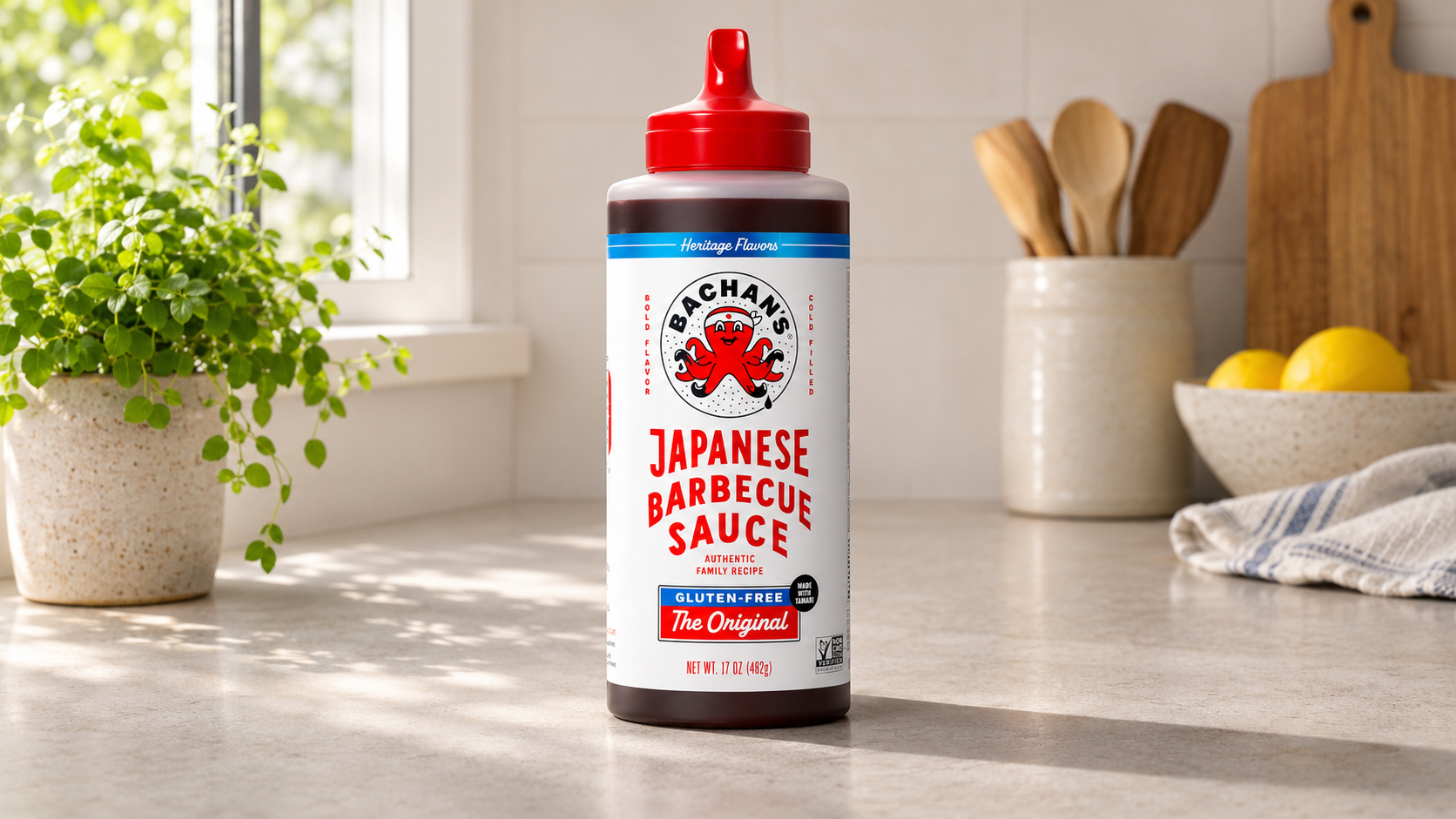
Marzetti's sales fell 2.4% and adjusted EPS dropped to $1.14 as a cyclospora outbreak hurt demand, while Bachan's added $17.8 million of retail revenue in Q1.
The Marzetti Company's fiscal first quarter showed how a demand shock can spread through a food manufacturer's income statement. Net sales fell 2.4% to $481.5 million, but net income dropped much more sharply, to $29.3 million from $47.2 million. Adjusted diluted earnings per share declined to $1.14 from $1.74.
Management attributed much of the pressure to a cyclospora outbreak that reduced demand for dressings, dips and croutons. The company estimated a roughly 4% hit to Retail sales and a 2% hit to Foodservice sales. Lower volumes then reduced manufacturing efficiency because fixed plant costs were spread over fewer units.
The segment figures show the offset. Retail sales increased 2% to $252.7 million, helped by $17.8 million from the recently acquired Bachan's Japanese Barbecue Sauce. Without that acquisition contribution, the outbreak's effect on the segment would have been more visible. Foodservice sales fell 6.9% to $228.8 million. Excluding $10.7 million of prior-year non-core revenue from a temporary supply agreement, Foodservice sales declined 2.6%.
Gross profit fell $8 million to $110.8 million, and gross margin narrowed 110 basis points to 23%. Marzetti also faced higher diesel and freight costs and commissioning expense for new sauce and dressing capacity in Atlanta.
Selling, general and administrative expense increased $10.9 million to $69.3 million. Bachan's added operating costs and $2.4 million of noncash intangible-asset amortization. The acquisition also introduced financing cost: Marzetti recorded $2.8 million of interest expense on a $200 million term loan used to fund part of the purchase.
Bachan's is providing real growth. The company cited Circana data showing the brand's retail sales rose 10.7% in the quarter, while Texas Roadhouse-branded dinner rolls increased 21.3%. Management expects the outbreak's impact to moderate and sees new products and selected restaurant customers supporting the rest of fiscal 2027.
The recovery is not automatic. Pricing and cost-saving initiatives must offset commodity, freight and diesel inflation, while the Atlanta capacity expansion must move from commissioning cost to productive volume. Marzetti did not provide specific full-year sales or earnings guidance in the release.
For investors, the next quarter should separate temporary disruption from a more persistent volume problem. A rebound in dressings and dips, stable Foodservice demand and improving plant utilization would support management's view that the outbreak was the main cause. Continued margin pressure after demand normalizes would point to a broader cost and integration challenge.
Image references: · Bachan’s official product photograph; Marzetti acquisition relationship verified through its official February 2026 release (Reference copyright retained by its owner; factual visual research, no CC grant claimed.)
Frequently asked questions
What is "Cyclospora Disruption and Lower Factory Utilization Cut Marzetti's Q1 Profit" about?
Marzetti's adjusted EPS fell to $1.14 as weaker demand and factory utilization outweighed $17.8 million of Bachan's sales.
What is the market context?
The Marzetti Company's fiscal first quarter showed how a demand shock can spread through a food manufacturer's income statement. Net sales fell 2.4% to $481.5 million, but net income dropped much more sharply, to $29.3 million from $47.2 million. Adjusted diluted earnings per share declined to $1.14 from $1.74. Management attributed much of the pressure to a cyclospora outbreak that reduced…
When was this article published?
It was published on 04 / 11 / 2026 by Be The Investor Research.