


 Be The Investor Research
Moderna Lifts 2026 Outlook as Oncology Spending Raises the Bar
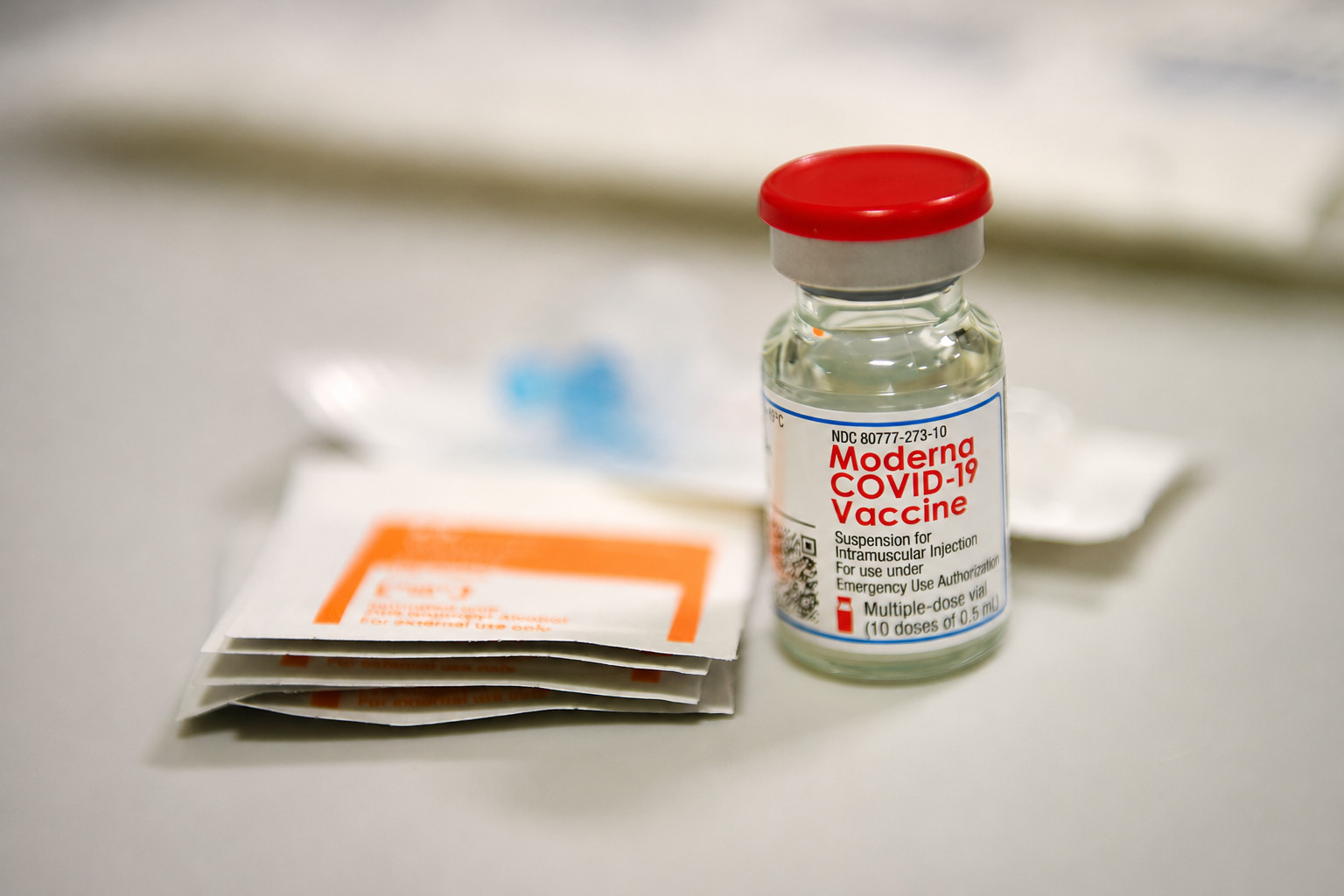
Moderna raised its 2026 revenue-growth outlook and reported positive Phase 3 melanoma data. A larger oncology investment plan strengthens the pipeline but makes liquidity, approval timing and manufacturing execution central risks.
Moderna raised its 2026 revenue-growth outlook to 15% to 25% from a previous expectation of up to 10%, while pairing the stronger commercial forecast with a more expensive oncology buildout. The combination improves the near-term picture but also raises the standard that future cancer-product launches must meet.
The company's November 6 quarterly release reported $1.3 billion of third-quarter revenue, $200 million of reported net income and diluted earnings of $0.38 a share. Moderna also increased its expected year-end cash balance to $8.1 billion to $8.3 billion. At its November 12 analyst day, the company described approximately $9 billion of total liquidity, a broader measure that includes cash, investments and available borrowing capacity. Investors should keep those two figures separate because undrawn credit is not cash already on the balance sheet.
Moderna said it amended its $1.5 billion credit facility with Ares Management Credit Funds. The changes extend the maturity by one year to 2031, preserve access to $900 million of remaining borrowing capacity through 2029 and reduce the interest rate on borrowed amounts by 75 basis points. That gives the company more financing flexibility, but debt availability does not remove the cost of funding a large clinical portfolio.
Management expects about $4 billion of cash costs in 2027 and annual cash spending of $4 billion to $4.5 billion from 2027 through 2030, with oncology investment driving much of the expense. Moderna also expects its 2026 gross margin to improve by about 10 percentage points, excluding a litigation settlement charge. Formal 2027 guidance is due with fourth-quarter results, which should clarify how much of the oncology increase is already embedded in the spending plan.
The most important clinical asset is intismeran autogene, the individualized cancer therapy developed with Merck. Moderna said a Phase 3 study in patients with resected high-risk melanoma met its primary endpoint. Intismeran plus Merck's Keytruda reduced the risk of recurrence or death by 42% and the risk of distant metastasis or death by 38% versus Keytruda alone. Those are relative risk reductions, not the percentage of patients cured. The therapy remains investigational and has not received FDA approval.
If approved, Moderna and Merck plan to co-promote the therapy in the United States, while Merck would lead commercialization outside the country. Moderna expects its Marlborough, Massachusetts facility to become the global supply site in 2027, with capacity designed for tens of thousands of patients annually. Manufacturing readiness matters because each treatment is personalized, making reliable turnaround and scale part of the product's commercial value.
Moderna also reported more than 110,000 vaccinations in the limited U.S. launch of mFLUSIVA, its approved influenza vaccine, and is preparing for a broader launch in the 2027 to 2028 respiratory season. That early uptake is useful evidence, but it is not yet enough to establish durable market share.
The investment case now rests on two linked tests. Moderna must turn its higher 2026 outlook into recurring respiratory-product demand, and it must convert positive oncology data into approvals and revenue before a multiyear spending program consumes too much of its liquidity. The analyst day improved the opportunity set, but it did not eliminate financing or execution risk.
Continue your MRK research
Image references: · U.S. Air Force Senior Airman Madeline Herzog (Public domain, U.S. government work)
Frequently asked questions
What is "Moderna Lifts 2026 Outlook as Oncology Spending Raises the Bar" about?
Moderna lifted its 2026 growth outlook, detailed Phase 3 melanoma results and outlined a costly multiyear oncology investment plan.
Which stocks and assets does this article cover?
This article relates to MRK.
What is the market context?
Moderna raised its 2026 revenue-growth outlook to 15% to 25% from a previous expectation of up to 10%, while pairing the stronger commercial forecast with a more expensive oncology buildout. The combination improves the near-term picture but also raises the standard that future cancer-product launches must meet. The company's November 6 quarterly release reported $1.3 billion of third-quarter…
When was this article published?
It was published on 13 / 11 / 2026 by Be The Investor Research.