


 Be The Investor Research
Lilly's 39% Revenue Growth Came With Pricing Pressure and One-Time Benefits
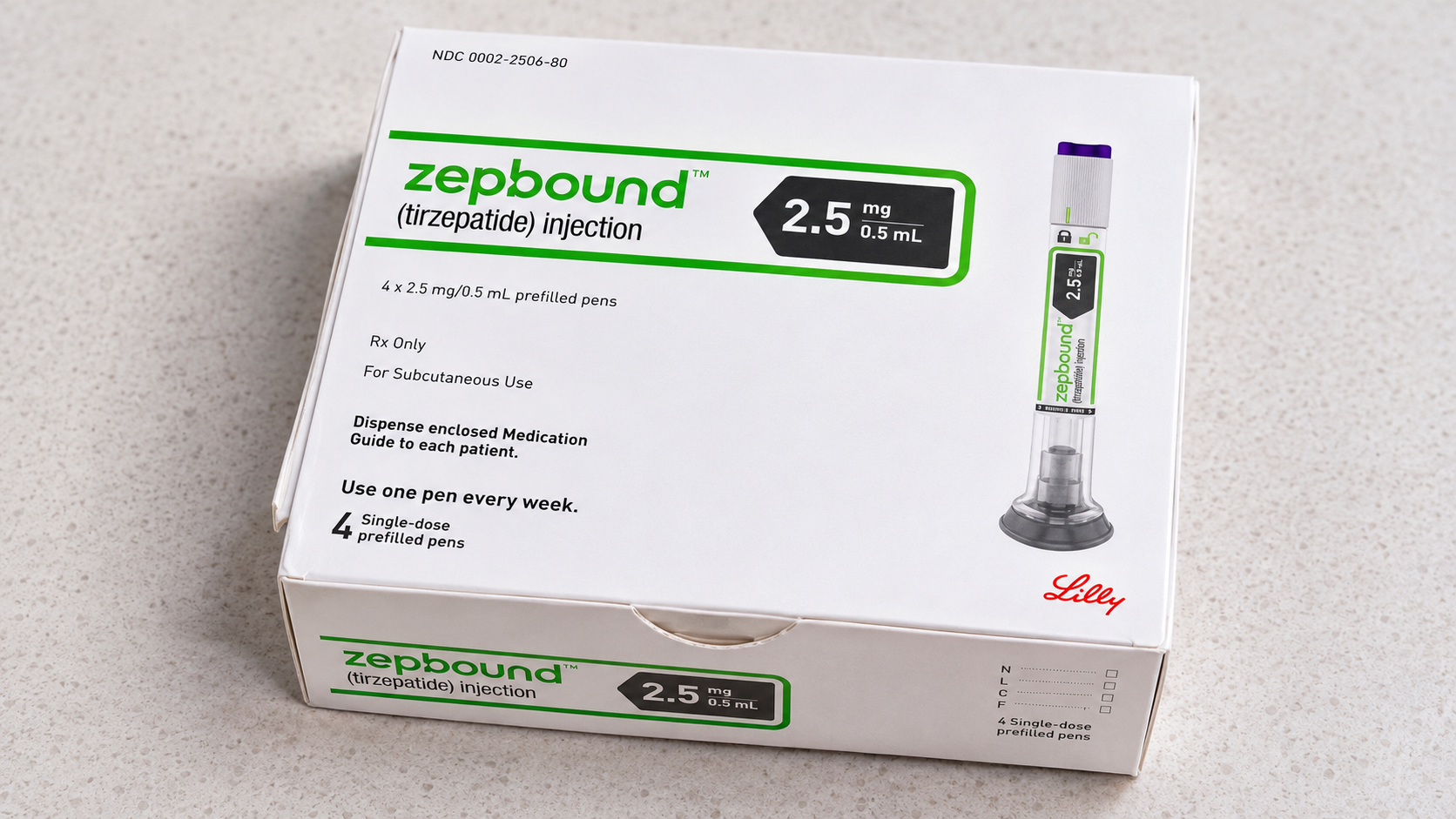
Mounjaro and Zepbound drove Lilly's $24.4 billion quarter, while a 15% decline in realized prices and $900 million of one-time benefits complicate the headline growth.
Eli Lilly's third-quarter revenue rose 39% to $24.4 billion, but the composition matters as much as the growth rate. Worldwide volume increased 53%, while realized prices fell 15%. The company also received about $900 million of benefits that management does not expect to repeat in the same form.
Mounjaro remained the largest engine. Revenue increased 65% to $10.72 billion, while Zepbound sales rose 49% to $5.35 billion. Together they generated roughly two-thirds of total quarterly revenue. That concentration explains both Lilly's exceptional growth and the importance of pricing, access and competitive developments in metabolic medicine.
The $900 million of quarterly benefits included $410 million of Jardiance milestone revenue, with no further milestones remaining, plus favorable adjustments to rebate and discount estimates. For the full year, management said approximately $2 billion of revenue reflects items that should not recur. Investors should therefore avoid using the reported growth rate as a straight-line forecast.
Reported earnings per share increased 16% to $7.22, and non-GAAP EPS rose 7% to $7.48. Both figures included $4.57 per share of acquired in-process research and development charges, compared with $0.71 a year earlier. Those charges reflect the cost of business-development activity, not the operating performance of marketed drugs, but they are real expenses tied to Lilly's diversification strategy.
Lilly raised full-year revenue guidance to $91 billion to $92 billion, increasing the midpoint by $5.5 billion. Underlying non-GAAP EPS guidance improved by $4.07 at the midpoint, but acquired IPR&D charges more than offset that increase, leaving the updated non-GAAP EPS range at $35 to $36.
Growth outside obesity is beginning to matter. Revenue from selected newer products in immunology, oncology and neuroscience doubled from a year earlier. Kisunla rose 175%, Jaypirca 59%, Ebglyss 59% and Omvoh 76%. Those businesses remain much smaller than tirzepatide, but they provide evidence that diversification is producing commercial results.
The next phase of Lilly's investment case depends on three separate questions. Patient volume must continue to offset lower realized prices. One-time revenue benefits must be replaced by recurring sales growth. Finally, pipeline and acquired assets must earn returns that justify the heavy research and development spending.
The quarter was strong enough to support higher guidance, and the volume growth is difficult to dismiss. The risks are also visible in the same report. Lilly is growing through price pressure while spending aggressively to build a broader portfolio. That makes recurring volume and non-obesity revenue more informative than the headline 39% alone.
Image references: · Pharmaceutical Technology / Yahoo Finance, actual Zepbound product package reference (Reference copyright retained by its owner; factual visual research, no CC grant claimed.)