


 Be The Investor Research
BETA Raises Revenue Guidance but Keeps a Heavy Loss Forecast
BETA Technologies posted record third-quarter revenue and raised its 2026 sales outlook, while maintaining an adjusted EBITDA loss forecast of $400 million to $445 million. Certification and cash use remain decisive.
BETA Technologies' third-quarter update arrived after the original selloff analysis and changes the current evidence. Revenue reached a record $17.7 million, up 98% from a year earlier, and management raised full-year guidance to $52 million to $57 million.
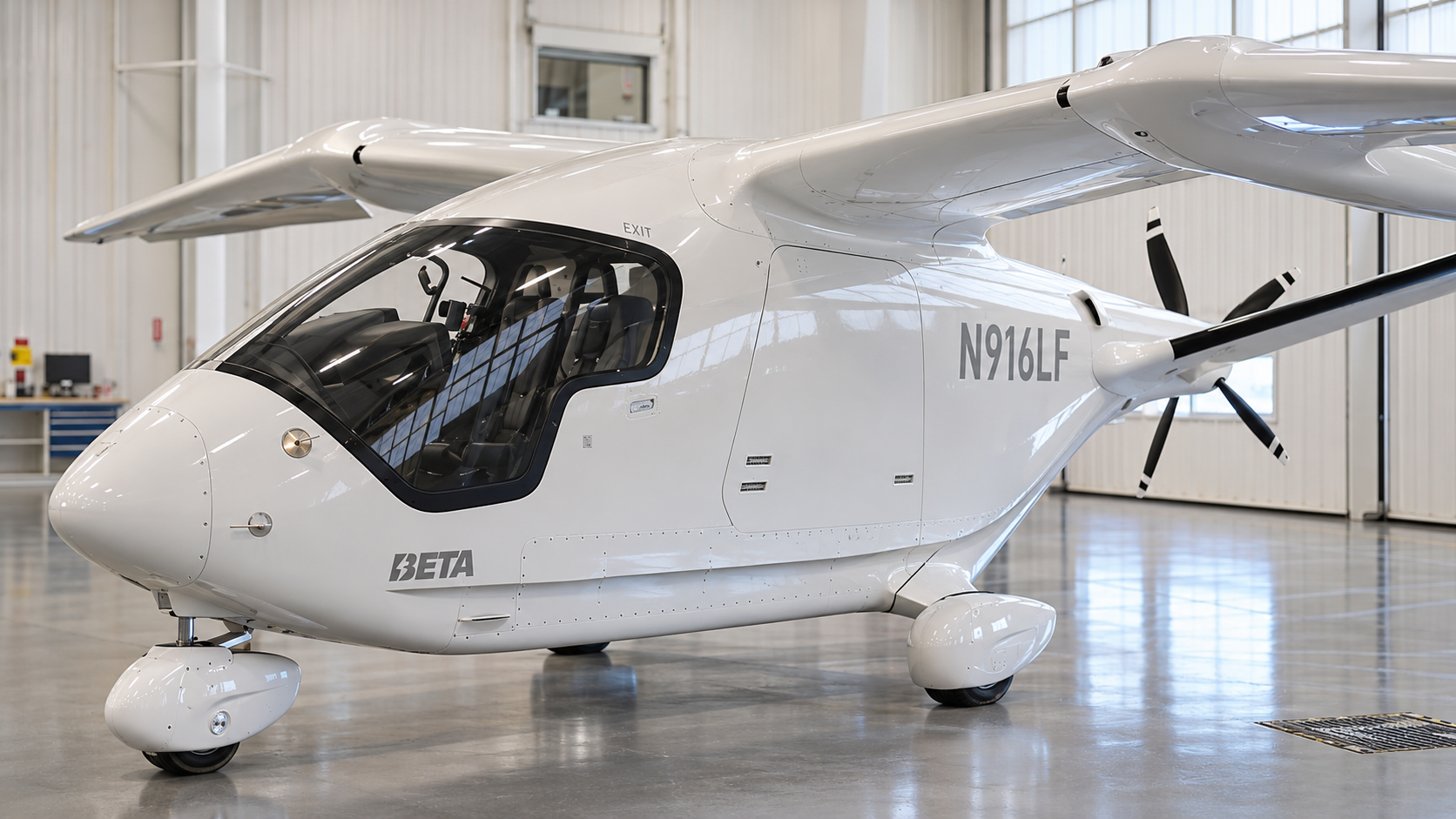
The operating progress is tangible. BETA's A250 became the first electric vertical takeoff and landing aircraft to receive a Federal Aviation Administration special airworthiness certificate for market surveys. The authorization permits demonstration flights with prospective customers before type certification. It is not a type certificate and does not authorize ordinary commercial passenger service.
BETA also said its fleet has flown more than 250,000 nautical miles and that six of its seven selections in the FAA's eVTOL Integration Pilot Program have launched. Its charging network expanded to 168 sites. Commercial backlog rose above $4 billion, covering 1,040 firm and option aircraft orders supported by financial commitments.
Those achievements improve customer validation, but the income statement remains early-stage. BETA maintained its 2026 adjusted EBITDA loss forecast of $400 million to $445 million. The company had $1.48 billion of cash at June 30, when quarterly capital spending was $41.1 million and adjusted EBITDA was negative $109.8 million.
Engine and aircraft certification remain the bridge between demonstrations and large-scale revenue. Earlier in 2026, formal FAA testing of the H500A electric engine was underway after BETA and the agency agreed on a continued-rotation compliance approach. The market-survey certificate adds operating experience, but it does not replace the engineering evidence needed for type certification.
The backlog also requires careful interpretation. It includes options as well as firm orders, and customers will need certified aircraft, production capacity and supporting infrastructure before the full value can become revenue. A multibillion-dollar backlog is not the same as contracted near-term sales.
BETA now has stronger revenue momentum than the original source could report, and the new FAA authorization is a meaningful commercial milestone. The investment case still depends on how quickly certification advances and how much cash is consumed before production scales. Investors should watch the H500A timetable, conversion of options into firm deliveries and whether quarterly losses begin to narrow as revenue grows.
Image references: · TechBuzz News event photography (Copyrighted reference, rights retained by original owner)