


 Be The Investor Research
IonQ's Growth Story Now Carries Integration Risk
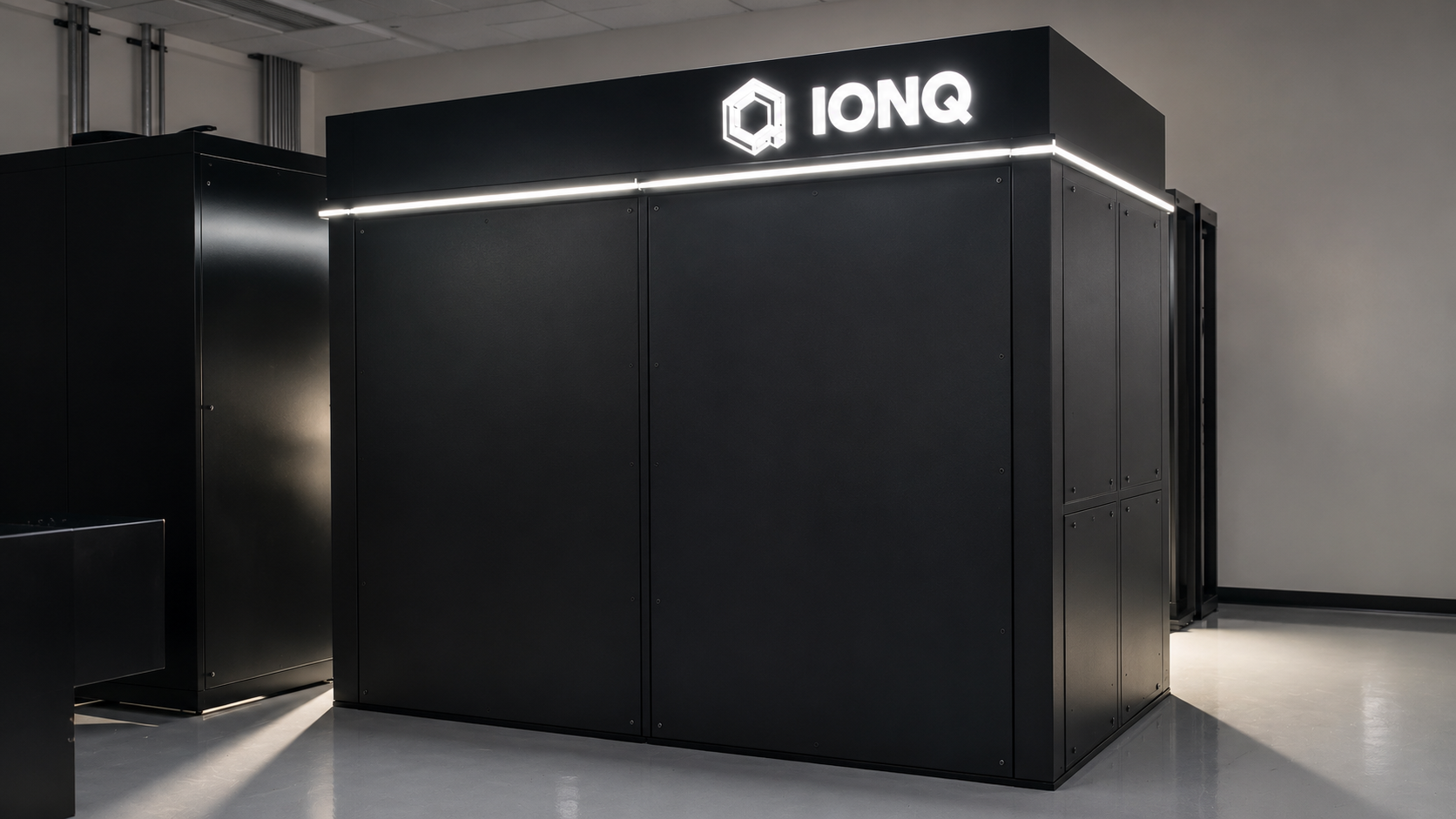
IonQ's revenue is growing rapidly, but its SkyWater acquisition adds manufacturing exposure, deeper losses and a harder comparison between organic and acquired growth for investors.
IonQ's 32% one-month share-price decline reflects more than a broad selloff in quantum stocks. Investors are also trying to value a company whose revenue is growing rapidly while acquisitions make its cost base and organic progress harder to read.
IonQ reported $80.1 million of second-quarter revenue, up 287% from a year earlier and 20% above the midpoint of its prior guidance. Management said organic revenue growth was 132%. The quarter was the company's fifth consecutive record, supported by quantum-computer deployments, cloud use and broader commercial activity.
The balance sheet gives IonQ time to invest. Cash, cash equivalents and investments were $3.0 billion at June 30. On a pro forma basis after the SkyWater acquisition, the company put that figure at $2.0 billion.
The acquisition changes the business. SkyWater adds a semiconductor foundry, while Nexus Photonics adds integrated-photonics capability. That vertical integration could reduce dependence on outside suppliers and support IonQ's hardware roadmap. It also brings manufacturing costs, integration work and a more complicated margin profile into a company that was already losing money.
Second-quarter GAAP net loss was $1.87 billion, including a large non-cash warrant revaluation. Adjusted EBITDA loss was $120.3 million. IonQ said $24.7 million of that adjusted loss reflected costs from its commercial relationship with SkyWater; excluding those costs, the adjusted EBITDA loss would have been $95.6 million. Keeping those measures separate is essential because the GAAP loss, adjusted operating burn and acquisition spending answer different questions.
The exported source said full-year guidance was $450 million to $460 million including SkyWater. IonQ's official August 5 release instead gave a $280 million to $290 million revenue range and explicitly excluded any SkyWater contribution. Without a later primary document supporting the higher range, the lower official range is the defensible figure.
IonQ's next report should separate organic revenue from acquired sales and show how SkyWater affects gross margin and cash use. Progress on the planned 256-qubit Superion system also matters, but the near-term investment case rests on more basic evidence: sustained customer revenue, controlled integration costs and a cash runway that does not shrink faster than commercial adoption grows.
Continue your RGTI research
Image references: · IonQ official October 2020 quantum enclosure photograph (Reference copyright retained by its owner; factual visual research, no CC grant claimed.)