


 Be The Investor Research
AI Spending's Next Test Is Depreciation, Not Just Cash Flow
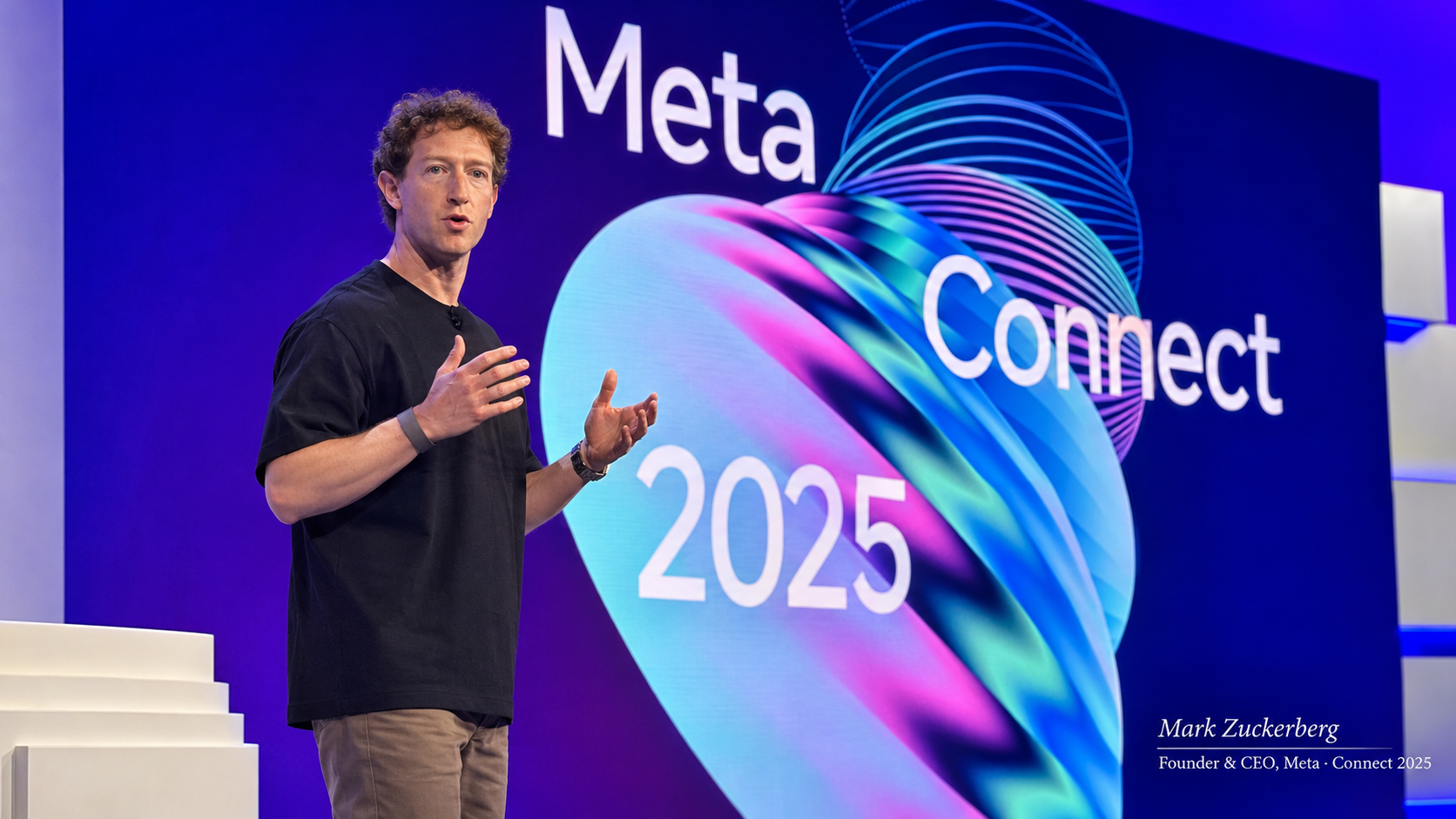
Alphabet, Meta and Microsoft are already absorbing heavy AI capital spending. As more servers and data centers enter service, rising depreciation will show whether cloud and advertising gains justify the investment.
The next test for Big Tech's AI spending is moving from the cash-flow statement to the income statement. Alphabet, Meta and Microsoft are already paying for servers and data centers. As more of those assets enter service, depreciation will rise and make the return on that investment easier to judge.
The cash burden is visible now. Alphabet spent $51.4 billion on capital expenditures in the third quarter and reported negative free cash flow of $9.1 billion, even though operating cash flow was $42.3 billion. Meta spent $34.91 billion on capital expenditures against $32.79 billion of operating cash flow, producing negative free cash flow of $2.12 billion. Microsoft reported $45.2 billion of capital expenditures in its September quarter, $39.4 billion of cash paid for property and equipment, and $18.6 billion of free cash flow.
Those figures do not mean the companies are unprofitable. Alphabet's third-quarter operating income rose 30% to $40.6 billion. Meta's revenue increased 26% to $64.6 billion, while Microsoft reported a 50% operating margin and $63 billion of cloud revenue. The tension is between strong current earnings and the much larger asset base that must earn a return over several years.
Depreciation is the bridge. Alphabet said about 65% of third-quarter capital expenditures went to servers and networking equipment with a six-year useful life. The remaining 35% went mainly to data centers with useful lives ranging from seven to 40 years. The cash leaves first, then depreciation is recognized as the assets are placed in service and expensed over those lives.
Microsoft's mix is even more tilted toward short-lived equipment. Management said roughly 75% of quarterly capital spending went to CPUs and GPUs, with the remainder going to longer-lived assets. That makes future depreciation more sensitive to the pace of hardware deployment and replacement. Microsoft has a direct offset because Azure can sell the new capacity to customers, but cloud growth still has to outrun the rising cost base.
Meta has a different model. It does not rent a public cloud to outside customers, so the return must appear through better ad targeting, engagement, new products or lower operating costs. Its quarter also included a $9.89 billion legal charge, which must be separated from ordinary operating trends. Even after making that distinction, Meta's $135 billion to $145 billion full-year capital spending guide puts a high bar on future monetization.
The accounting risk is often described too dramatically. Depreciation is not a second cash payment, and a rising charge does not by itself prove that AI investment was wasted. It does, however, reduce reported profit and reveal whether revenue and operating savings are keeping pace with the assets deployed.
Investors should watch three measures together: capital expenditures, free cash flow and depreciation as a share of revenue. A company can withstand weak free cash flow for a period if new capacity produces durable growth. The harder outcome is a combination of slowing cloud or ad revenue, rising depreciation and continued high capital spending. On current evidence, Microsoft and Alphabet have the clearest external cloud revenue offsets. Meta has the most direct need to prove that AI spending improves the economics of advertising and consumer products.
Continue your GOOGL research
Image references: · AFP / Hurriyet Daily News, actual Meta Connect 2025 event reference (Reference copyright retained by its owner; factual visual research, no CC grant claimed.)
Frequently asked questions
What is "AI Spending's Next Test Is Depreciation, Not Just Cash Flow" about?
Big Tech's AI capex is already pressuring free cash flow. Rising depreciation will test whether cloud and advertising growth justify the assets.
Which stocks and assets does this article cover?
This article relates to GOOGL, MSFT.
What is the market context?
The next test for Big Tech's AI spending is moving from the cash-flow statement to the income statement. Alphabet, Meta and Microsoft are already paying for servers and data centers. As more of those assets enter service, depreciation will rise and make the return on that investment easier to judge. The cash burden is visible now. Alphabet spent $51.4 billion on capital expenditures in the third…
When was this article published?
It was published on 04 / 11 / 2026 by Be The Investor Research.