


 Be The Investor Research
AMD's Google Cloud Win Shows Why EPYC Matters to AI Infrastructure
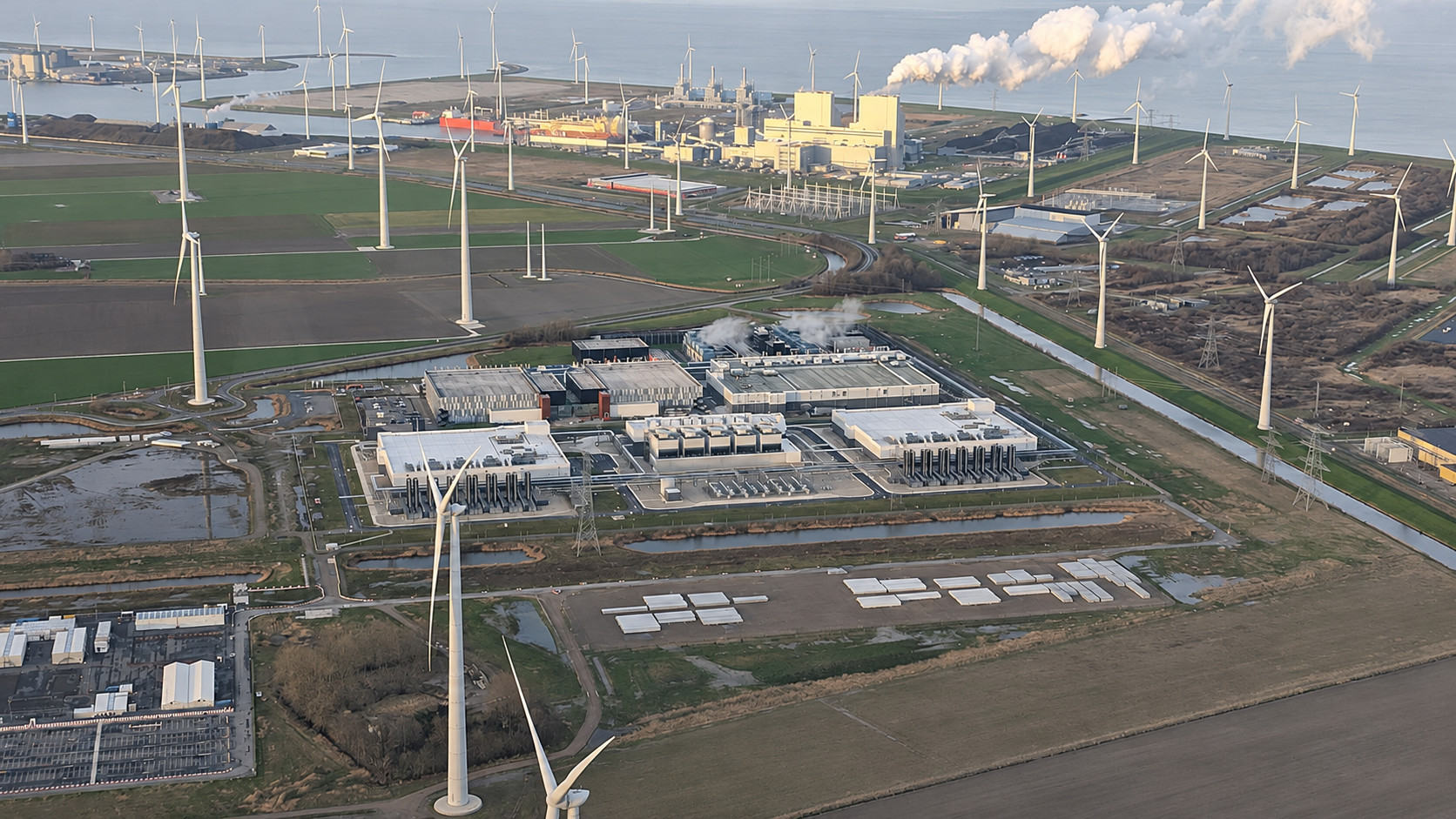
Google Cloud selected fifth-generation AMD EPYC processors to host its TPU 8tx systems, giving AMD a concrete role beside custom AI accelerators. The deployment supports growth, though it does not disclose revenue or order size.
AMD's newest Google Cloud deployment is important because it shows that custom artificial-intelligence accelerators do not eliminate the need for capable server processors. Google Cloud selected fifth-generation AMD EPYC chips as the host processors for TPU 8tx, its eighth-generation tensor processing unit system.
The host CPU does not perform the same work as the TPU. It prepares data, coordinates workloads and manages communication with the accelerator. In the TPU 8tx design, AMD's processors also contribute security through Secure Encrypted Virtualization. Google Cloud says the combined system extends confidential-computing protection to sensitive models and data while they are in use.
That capability addresses a practical barrier to moving regulated or proprietary workloads into shared cloud infrastructure. Companies may want the speed of specialized accelerators but still need safeguards for model weights, customer information and intermediate data. Hardware-enforced isolation cannot remove every security risk, yet it can narrow the exposure created by the underlying infrastructure.
The deployment also strengthens AMD's position in an AI market often described only in terms of graphics processors. AMD says EPYC chips serve as host CPUs across more than 10 hyperscalers and frontier AI laboratories, including systems built around competing graphics processors and custom accelerators. That makes EPYC a way for AMD to participate in AI spending even when another supplier provides the primary accelerator.
The financial backdrop supports the strategic claim. AMD reported data-center revenue of $8.5 billion for the quarter ended September 26, 2026, up 97% from a year earlier. Data-center operating income rose to $2.9 billion from $1.1 billion. The company attributed the revenue increase to strong demand for EPYC processors and Instinct graphics processors.
Investors should keep the announcement in proportion. AMD and Google Cloud did not disclose the number of processors, the contract value or the expected revenue contribution. The deployment therefore verifies product adoption, not a specific earnings increase. It also uses fifth-generation EPYC processors even as AMD begins shipping its sixth generation, so the commercial effect will depend on the scale and duration of Google Cloud's rollout.
The strongest conclusion is narrower than the stock-price reaction implied by the original source. EPYC has secured a meaningful architectural role in a new Google Cloud AI system, and that role links AMD to confidential computing as well as accelerator demand. The next evidence investors need is deployment scale, customer use and whether similar host-processor wins continue across other cloud platforms.
Continue your GOOGL research
Image references: · Wvdp (CC0 1.0)
Frequently asked questions
What is "AMD's Google Cloud Win Shows Why EPYC Matters to AI Infrastructure" about?
Google Cloud selected AMD EPYC processors for TPU 8tx host infrastructure, proving a strategic role beside custom AI accelerators.
Which stocks and assets does this article cover?
This article relates to GOOGL.
What is the market context?
AMD's newest Google Cloud deployment is important because it shows that custom artificial-intelligence accelerators do not eliminate the need for capable server processors. Google Cloud selected fifth-generation AMD EPYC chips as the host processors for TPU 8tx, its eighth-generation tensor processing unit system. The host CPU does not perform the same work as the TPU. It prepares data,…
When was this article published?
It was published on 13 / 11 / 2026 by Be The Investor Research.