


 Be The Investor Research
Corning's AI Fiber Growth Is Already Showing Up Before 2028
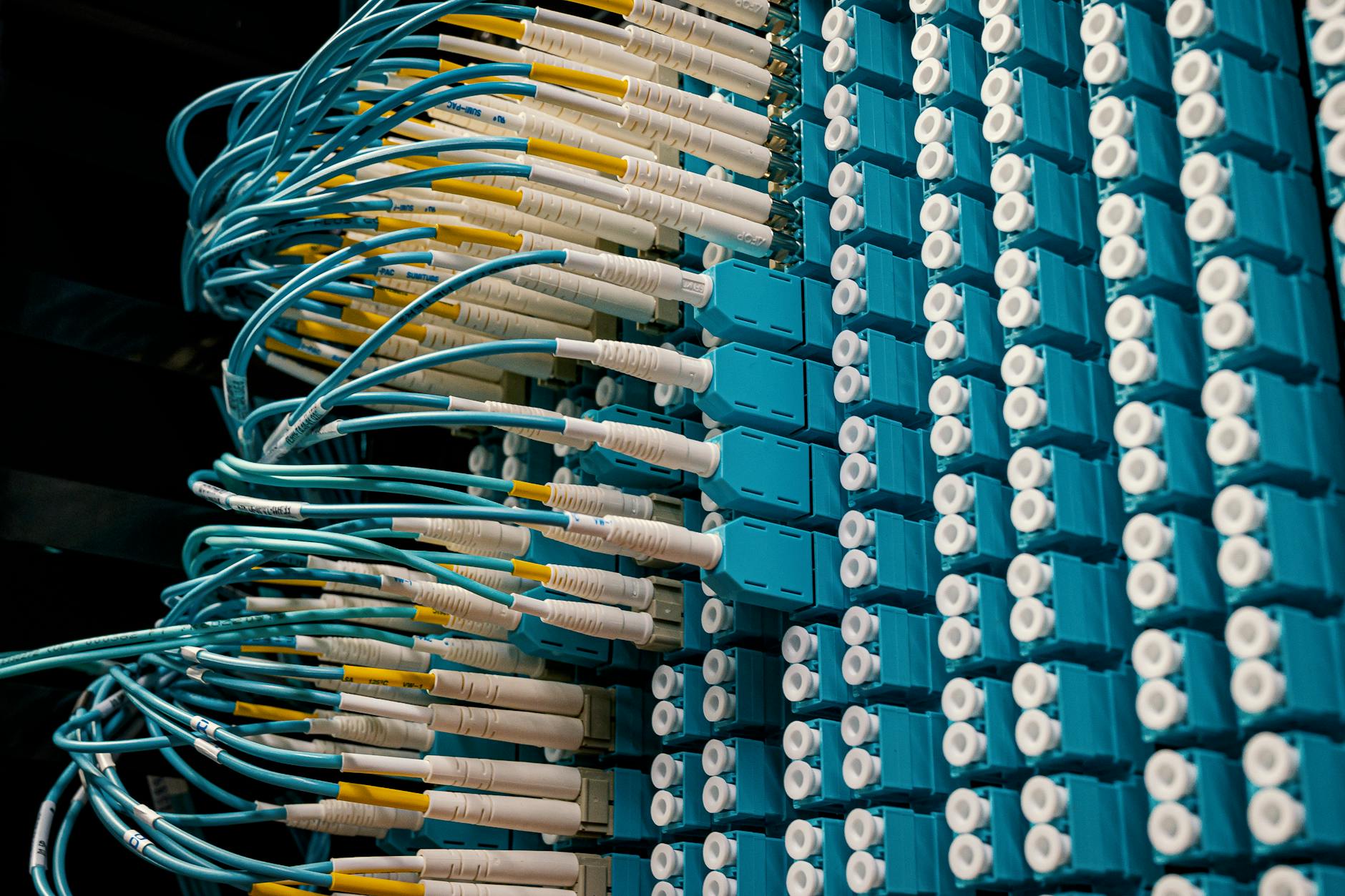
Corning's optical communications sales rose 44% in the third quarter as generative AI products more than doubled. Longer-term optics may add another leg, but current results already show data center demand reaching revenue and cash flow.
Corning does not need to wait until 2028 to show that artificial intelligence infrastructure is changing its business. In the third quarter, Optical Communications sales rose 44% from a year earlier to $2.38 billion. Enterprise Networks grew 84%, and sales of products tied to generative AI more than doubled.
Those results give substance to the longer-term case outlined by Jefferies. The firm expects multi-year contracts with cloud operators and telecommunications carriers to support growth as optical fiber moves deeper into data center equipment. It also sees next-generation pluggable optics and co-packaged optics as potential catalysts, although it expects Corning's photonics ramp to develop more gradually.
The distinction between today's fiber demand and tomorrow's photonics opportunity is important. Current AI clusters require far more connections among accelerators, switches and storage than traditional computing environments. That increases demand for fiber, cable assemblies and connectivity hardware that Corning already sells. Co-packaged optics would move optical components closer to the computing silicon, potentially expanding Corning's content per system, but broad adoption still depends on technical qualification and customer deployment schedules.
The present business is not merely a forecast. Corning's third-quarter core sales rose 19% to $5.08 billion, while core earnings per share increased 36% to $0.91. GAAP sales were $4.86 billion and GAAP earnings were $0.78 a share. Adjusted free cash flow reached $661 million even as the company spent more than $500 million on capital projects to meet demand.
Management guided to fourth-quarter core sales of $5.2 billion to $5.3 billion, about 19% growth, and core earnings of $0.96 to $1.00 a share. That outlook suggests the optical surge is continuing rather than ending with a single large order.
The risk is that customers delay data center construction or that new optical products take longer to qualify. Corning is also investing ahead of demand, so weaker utilization would pressure returns. For now, however, the company has both operating evidence and a credible technology path. The 2028 question is not whether AI can produce optical revenue, but how much additional content Corning can capture as networks become more optically intensive.
Frequently asked questions
What is "Corning's AI Fiber Growth Is Already Showing Up Before 2028" about?
Corning's optical sales rose 44% as Gen AI products more than doubled, giving investors current evidence before longer-term photonics ramps.
What is the market context?
Corning does not need to wait until 2028 to show that artificial intelligence infrastructure is changing its business. In the third quarter, Optical Communications sales rose 44% from a year earlier to $2.38 billion. Enterprise Networks grew 84%, and sales of products tied to generative AI more than doubled. Those results give substance to the longer-term case outlined by Jefferies. The firm…
When was this article published?
It was published on 11 / 11 / 2026 by Be The Investor Research.