


 Be The Investor Research
Texas Data-Center Policy Adds a Timing Risk to Celestica's 2027 Surge
Celestica expects revenue to nearly double in 2027, but Texas may extend its pause on new data-center approvals. The risk is project timing, not yet a demonstrated decline in server demand.
Celestica's 2027 outlook assumes another major expansion in artificial-intelligence hardware demand just as Texas is reconsidering how quickly new data centers should be approved. The two developments do not establish that Celestica's forecast is in danger, but they create a policy risk that investors can measure through customer schedules rather than stock-price swings.
Texas election results show Gina Hinojosa defeated incumbent Greg Abbott with 52.8% of the vote. During the campaign, Hinojosa called for a moratorium on new data-center approvals until the Legislature can enact protections for electricity, water and local communities. The Texas Tribune reported that the proposal could extend an existing state pause on environmental permits and grid connections that was imposed during an audit.
The practical effect remains uncertain. A campaign promise is not yet a final rule, and the governor-elect will face a divided Legislature. It is also unclear how many projects belonging to Celestica's customers require new Texas approvals, because the company does not disclose a state-by-state breakdown of its demand pipeline. Investors should therefore treat the policy as a possible schedule constraint, not evidence that orders have been cancelled.
Celestica's own guidance shows why the timing matters. The company expects 2027 revenue of $40 billion, up 90% from its 2026 outlook, adjusted operating margin of 9% and adjusted earnings of $21.50 per share. It plans to spend between $1.5 billion and $2 billion on capital projects to support that growth. Management also said customer demand forecasts for 2028 are meaningfully above the 2027 revenue outlook.
That plan requires customers to build facilities, energize them and install computing equipment on schedule. A delay in a Texas campus could move server and networking shipments between quarters even if the underlying project remains intact. It could also raise costs if customers redesign sites, shift capacity to another region or wait for new power and water standards.
Dell provides a useful measure of the demand behind the supply chain. In its fiscal second quarter, Dell reported $60.9 billion of AI-server orders and a $95 billion backlog. Those figures support the view that customers still want the equipment. They do not show how much of that backlog depends on Texas projects or when it will convert into revenue.
The original report said Celestica and Dell shares each fell 22% in one week. That market reaction may reflect the scale of uncertainty, but it does not quantify the operational exposure. The evidence to watch is more concrete: whether Texas issues or delays permits, whether Celestica changes its $40 billion outlook, and whether customers shift delivery dates. Until one of those things happens, the moratorium debate is a timing risk around a very strong demand forecast, not proof that the AI buildout has reversed.
Continue your DELL research
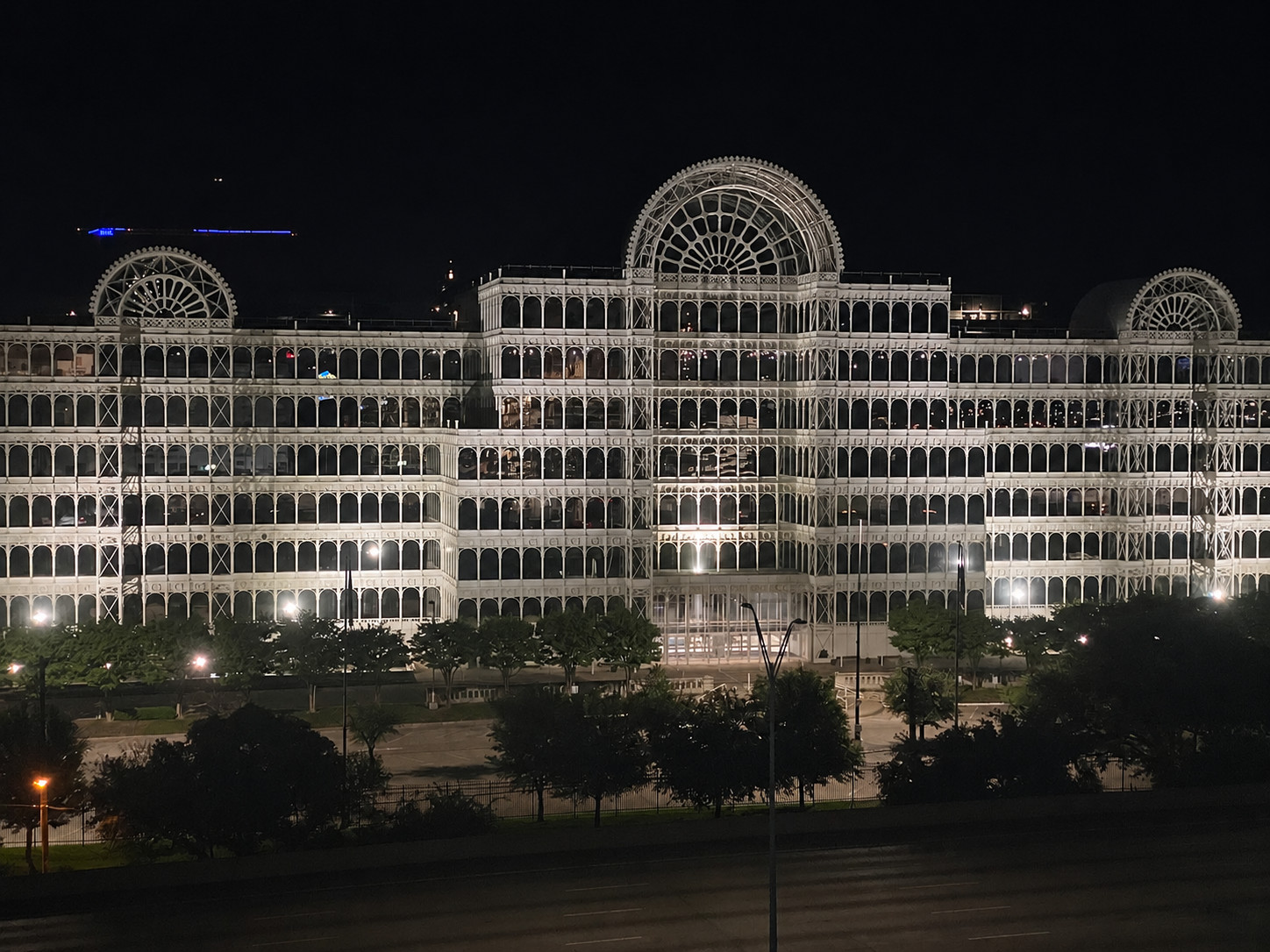
Image references: · Andrew nyr (CC BY-SA 4.0)
Frequently asked questions
What is "Texas Data-Center Policy Adds a Timing Risk to Celestica's 2027 Surge" about?
Celestica expects 90% revenue growth in 2027, but a possible Texas data-center moratorium could delay customer projects and shipments.
Which stocks and assets does this article cover?
This article relates to DELL.
What is the market context?
Celestica's 2027 outlook assumes another major expansion in artificial-intelligence hardware demand just as Texas is reconsidering how quickly new data centers should be approved. The two developments do not establish that Celestica's forecast is in danger, but they create a policy risk that investors can measure through customer schedules rather than stock-price swings. Texas election results…
When was this article published?
It was published on 13 / 11 / 2026 by Be The Investor Research.