



Cisco's AI Orders Put Its $7.5 Billion Revenue Target in Focus
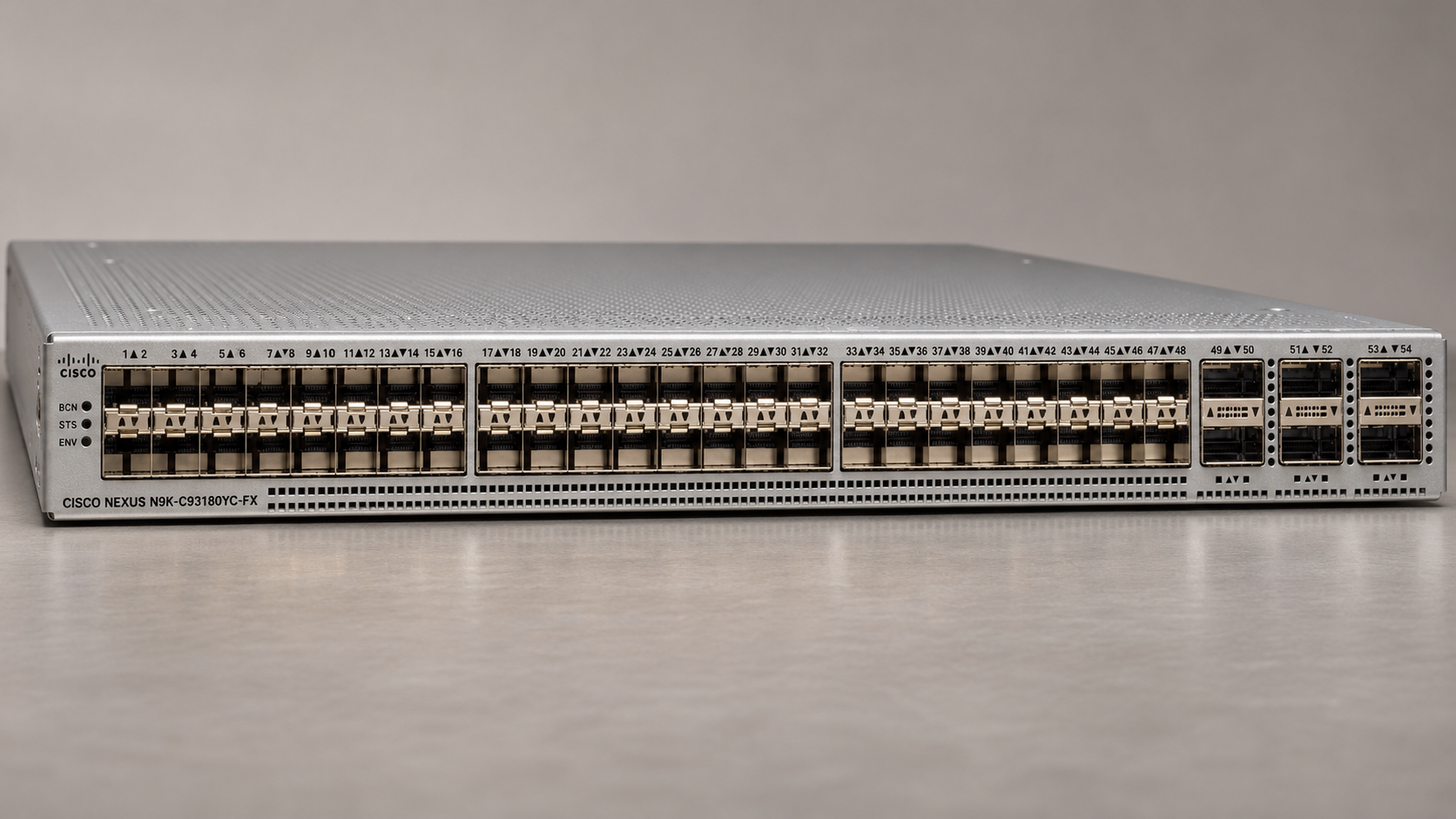
Bank of America expects Cisco's AI order pipeline and stronger core networking demand to support fiscal 2027 growth. The November 12 report must show conversion without excessive gross-margin pressure.
Cisco enters its November 12 fiscal first-quarter report with a large AI order pipeline and unusually strong demand across its established networking business. Bank of America kept a buy rating and a $150 price target, but the more useful question is whether Cisco can convert that demand into revenue without giving up too much gross margin.
The company ended fiscal 2026 with $9.3 billion of AI infrastructure orders from hyperscale customers, including $4 billion booked in the fourth quarter. Cisco delivered about $4 billion of AI infrastructure revenue during the year and said it expects $7.5 billion in fiscal 2027. Bank of America estimates that roughly $6 billion of unconverted AI orders already covers about 80% of that annual revenue target.
That coverage reduces one kind of uncertainty, but it does not remove execution risk. Orders must still become shipped systems and recognized revenue. Cisco's annual filing also flags customer concentration and supply considerations around hyperscaler demand, which means a strong headline backlog can coexist with timing and margin volatility.
Demand outside AI gives the thesis more support. Cisco said fourth-quarter product orders rose 35% from a year earlier and increased 25% excluding hyperscalers. Networking product orders grew 40%, marking an eighth consecutive quarter of double-digit growth. Bank of America also estimates that Cisco's campus-switching business grew 17% in the calendar second quarter, faster than the market's 13% growth.
A replacement cycle may extend that momentum. The bank estimates that about $9 billion of installed Catalyst 4000 and 6000 equipment is approaching end of service. Customers do not have to replace all of it immediately, but aging infrastructure creates a practical reason to upgrade that is separate from enthusiasm about AI.
Cisco's own guidance sets a demanding near-term bar. The company projected fiscal first-quarter revenue of $18.0 billion to $18.2 billion and full-year revenue of $72.2 billion to $73.4 billion. It also guided to first-quarter reported earnings of $1.08 to $1.10 per share and adjusted earnings of $1.32 to $1.34. Bank of America expects roughly 22% year-over-year revenue growth, broadly consistent with management's range.
Margins are the main counterweight. The bank forecasts a first-quarter gross margin of 65.5% and product gross margin of 64%, down from 67% a year earlier, because hardware and cloud sales carry a different mix. It expects operating efficiencies to lift adjusted operating margin to 36% from 34.4%, partially offsetting that pressure.
The November report therefore has three tests. Cisco needs to show that AI orders are converting on schedule, that core networking demand remains broad after a strong fourth quarter, and that operating discipline can absorb a less favorable product mix. The order base makes the growth case credible. The quality of that growth will depend on revenue timing, customer concentration and the margin Cisco keeps after delivering the hardware.
Image references: · CSCO factual product/event reference (Reference copyright retained by its owner; factual visual research, no CC grant claimed.)