


 Be The Investor Research
Nvidia's $35 Billion China Order Signal Is Constrained by Supply
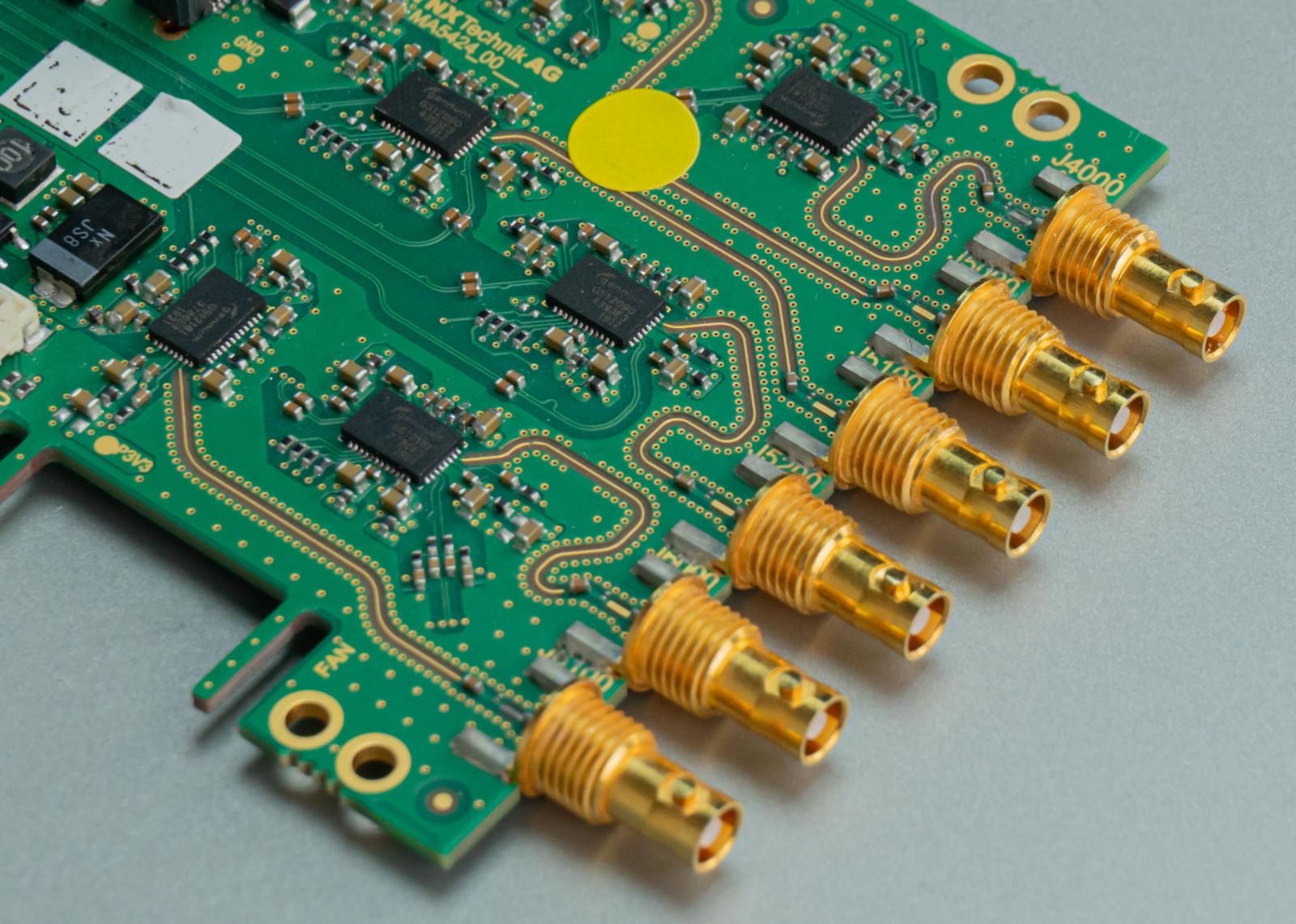
Alibaba, ByteDance and Tencent reportedly ordered more than 3 million RTX PRO 5500 cards worth over $35 billion. Nvidia may deliver only a fraction, making the report a demand signal rather than booked revenue.
Chinese technology companies are signaling enormous demand for Nvidia hardware even under U.S. export restrictions. Reuters reported that Alibaba, ByteDance and Tencent ordered more than 3 million RTX PRO 5500 graphics cards with a combined list value above $35 billion.
The number should not be read as near-term Nvidia revenue. People familiar with the supply plan said Nvidia could not guarantee fulfillment, and one source estimated partners might receive only 5% to 10% of requested quantities. Total Chinese orders reportedly exceeded 6 million cards, while Nvidia expected global production of no more than 3 million units in 2027.
The RTX PRO 5500 is a workstation product rather than a top-tier data-center accelerator. Chinese buyers are considering it for AI inference, which runs trained models, because more powerful B300 products are restricted and H200 shipments require case-by-case approval. The demand therefore reflects scarcity and regulatory substitution as much as pure product preference.
For Nvidia, the report shows that export-compliant products can preserve some access to China. It does not establish the final sales mix, delivery schedule or margin. Production devoted to the RTX PRO 5500 also competes with capacity for newer platforms, including Rubin products aimed at large data centers.
For Alibaba and Tencent, access to only a small portion of requested cards could slow inference-capacity expansion or raise computing costs. Domestic alternatives can absorb part of the gap, but the size of the reported orders suggests that buyers still see value in Nvidia's ecosystem.
The investor takeaway is asymmetric. Demand is clearly strong, but the revenue opportunity depends on export compliance, manufacturing allocation and actual deliveries. Until purchase orders become shipments, the $35 billion figure is an indicator of unmet demand rather than a reliable sales forecast.