


 Be The Investor Research
Axsome's Growth Is Strong, but Auvelity Adoption Now Sets the Pace
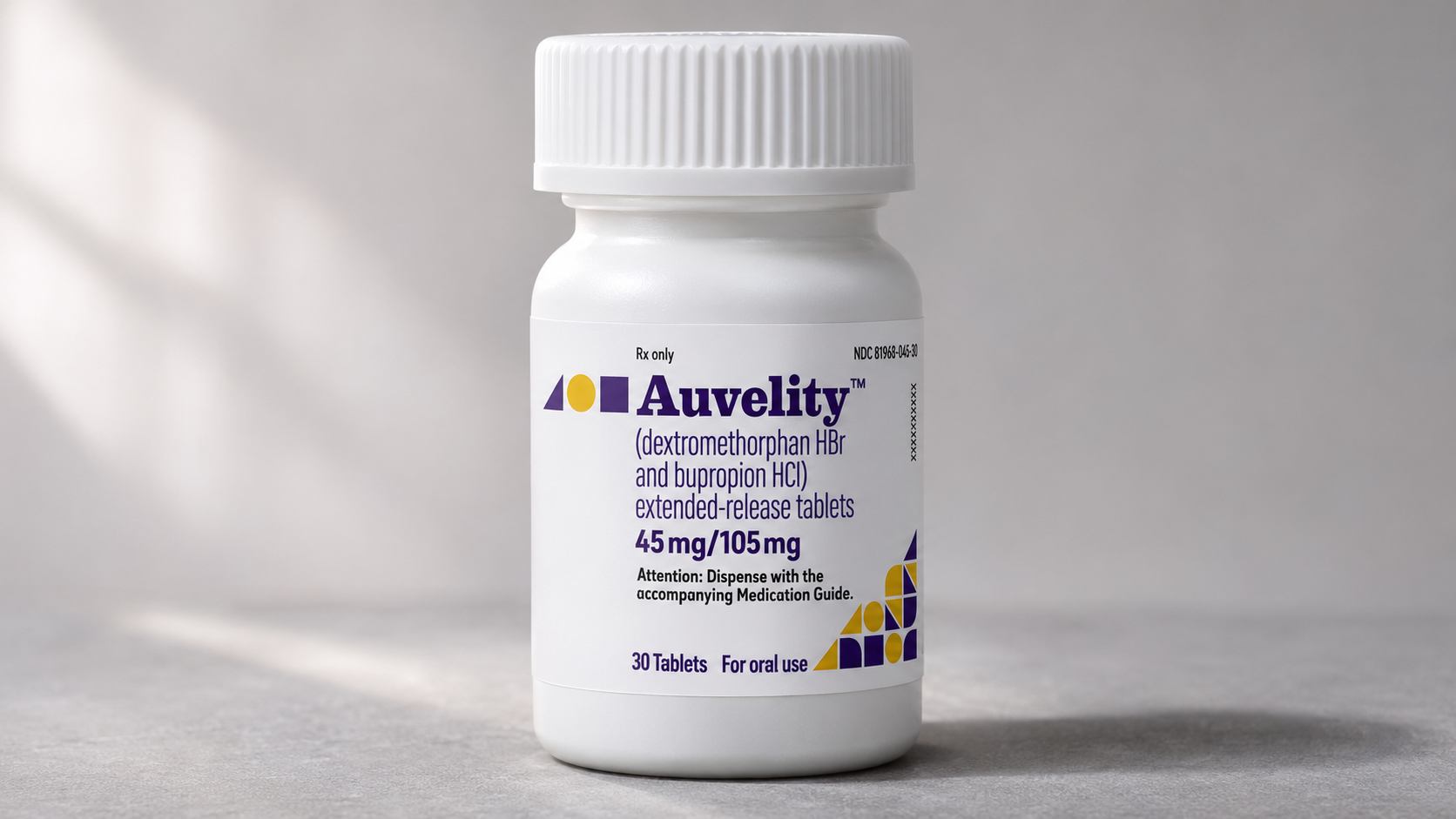
Axsome's third-quarter product revenue rose 52% to $259.7 million, led by Auvelity. The shares still face a harder test: whether the new Alzheimer's agitation indication can gain traction fast enough to support 2027 expectations.
Axsome Therapeutics delivered another quarter of rapid growth, yet investors are focused on a newer and less certain question: how quickly physicians will adopt Auvelity for agitation associated with Alzheimer's disease.
Third-quarter net product revenue rose 52% from a year earlier to $259.7 million. Auvelity generated $207.6 million, up 53%, while Sunosi contributed $48.2 million and Symbravo added $3.9 million. The company reported a net loss of $12.9 million, or $0.25 a share, compared with a $47.2 million loss, or $0.94 a share, one year earlier.
The results show that Axsome's existing depression business remains the financial engine. They do not yet settle the debate over the Alzheimer's launch. The Food and Drug Administration expanded Auvelity's label on April 30, making it the first approved non-antipsychotic treatment for agitation associated with dementia due to Alzheimer's disease. Axsome launched the new indication in June.
The FDA based its decision on two randomized studies. In one five-week trial, Auvelity produced a statistically significant improvement on a caregiver-rated agitation scale compared with placebo. In a separate withdrawal study, patients who continued treatment went longer before relapse than those switched to placebo. The label also carries meaningful safety qualifications, including a boxed warning about suicidal thoughts and behaviors in adolescents and young adults, seizure risk, blood-pressure monitoring and other precautions.
Wall Street's concern is commercial execution, not whether the product is approved. Stocktwits reported that Bank of America reduced its price target to $264 from $276 while keeping a Buy rating, citing adoption of the Alzheimer's agitation treatment and the company's ability to meet full-year 2027 revenue expectations. Baird also lowered its target, to $220 from $246, while maintaining an Outperform rating. These targets are analyst opinions, not company guidance.
Axsome has financial room to support the rollout. It ended September with $313.9 million in cash and cash equivalents and said its current resources should fund operations into positive cash flow under its operating plan. Still, selling, general and administrative expense rose to $203.1 million from $150.2 million as the company invested in commercialization.
The investment case now depends on two separate trends. Continued growth in the established depression indication can support the business while the Alzheimer's market develops. The new indication offers a large opportunity, but launch speed, reimbursement, prescribing habits and tolerability will determine how much of that opportunity becomes revenue.
Investors should therefore look beyond the next price-target change. The more useful evidence will be prescription growth for the Alzheimer's indication, management's disclosure on new-patient starts, and whether commercial spending grows more slowly than product revenue. Strong headline growth has reduced Axsome's financing risk. It has not removed the adoption risk.
Image references: · Axsome Therapeutics (Manufacturer copyright retained; factual product reference. No Creative Commons grant claimed.)
Frequently asked questions
What is "Axsome's Growth Is Strong, but Auvelity Adoption Now Sets the Pace" about?
Axsome's Q3 product revenue rose 52% to $259.7 million, but investors now need evidence that Auvelity's Alzheimer's agitation launch can scale.
What is the market context?
Axsome Therapeutics delivered another quarter of rapid growth, yet investors are focused on a newer and less certain question: how quickly physicians will adopt Auvelity for agitation associated with Alzheimer's disease. Third-quarter net product revenue rose 52% from a year earlier to $259.7 million. Auvelity generated $207.6 million, up 53%, while Sunosi contributed $48.2 million and Symbravo…
When was this article published?
It was published on 04 / 11 / 2026 by Be The Investor Research.