


 Be The Investor Research
Reported Boost Talks Raise the Competitive Risk for AST SpaceMobile
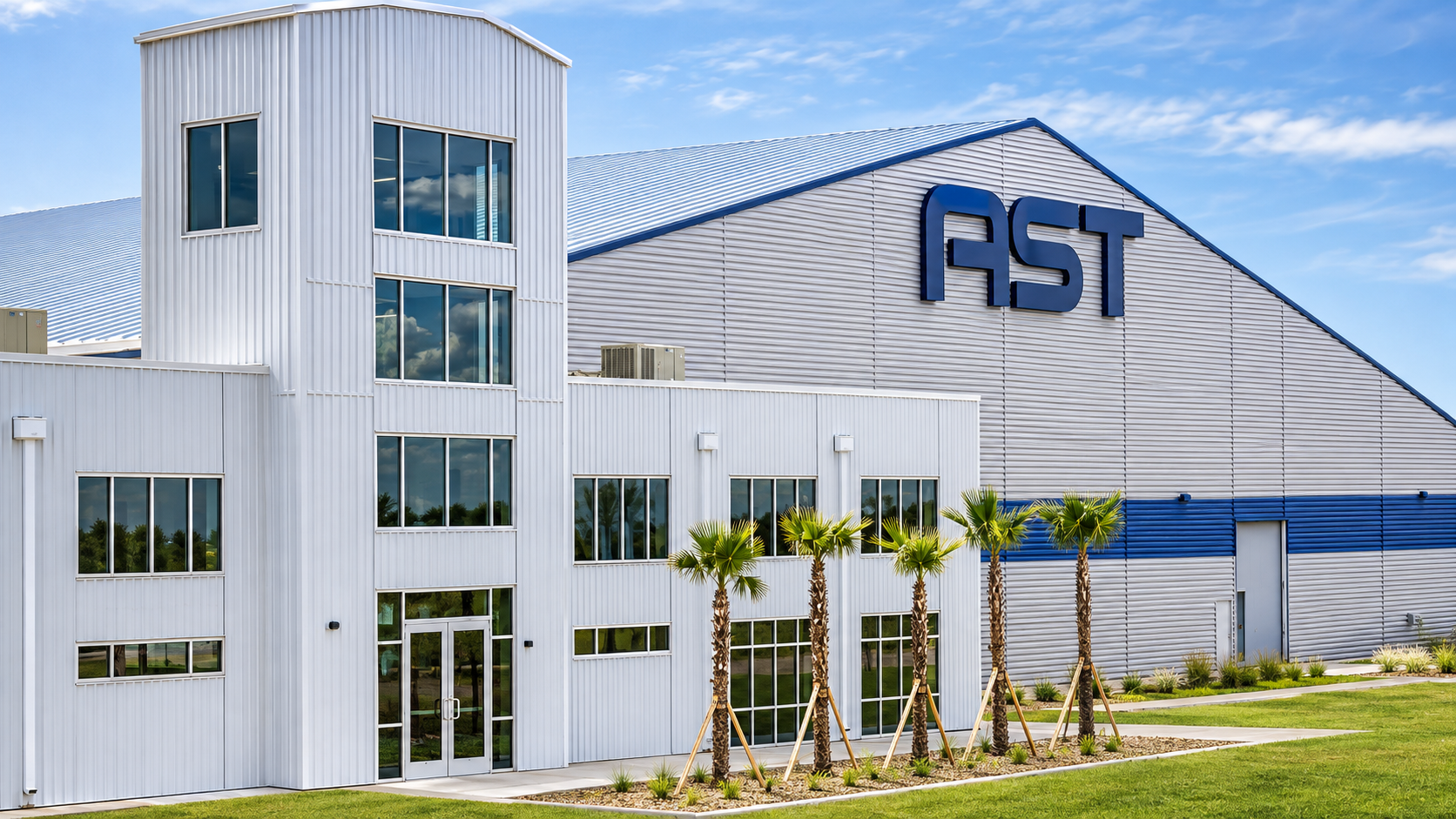
SpaceX is reportedly exploring a Boost Mobile deal that could combine satellite and terrestrial networks. The talks are unconfirmed, but they sharpen the competitive question for AST SpaceMobile.
Reported talks between SpaceX and EchoStar over Boost Mobile could reshape U.S. satellite-to-phone competition, but investors should separate a possible transaction from the agreements already in place.
Reuters, citing a Washington Post report, said SpaceX was discussing either buying Boost Mobile or gaining access to its network. Neither company had announced a definitive deal or financial terms at the time of the report. Existing network agreements with AT&T and T-Mobile may also require consent before they can transfer to a new owner.
The strategic logic is clear. Boost brings subscribers, distribution and access to terrestrial mobile networks. SpaceX brings the Starlink satellite constellation and spectrum ambitions. Combining those pieces could let Starlink Mobile sell a hybrid service more directly rather than relying entirely on partnerships with established carriers.
SpaceX already has a formal relationship with EchoStar. A September 2025 agreement called for EchoStar to sell AWS-4 and H-block spectrum licenses to SpaceX for about $17 billion, split between cash and SpaceX stock, and for Boost customers to gain access to next-generation Starlink Direct to Cell service. SpaceX also said in October 2026 that it had agreed to acquire a separate nationwide low-band spectrum portfolio, subject to Federal Communications Commission approval.
For AST SpaceMobile, the risk is not simply that SpaceX owns more spectrum. ASTS is building a direct-to-device network around partnerships with mobile operators. A SpaceX platform that combines satellites, spectrum, subscribers and terrestrial access could compete for the same carrier relationships and end users. That helps explain why ASTS shares fell when the Boost report appeared, although a one-day move does not establish the long-term effect.
There are important limits to the threat. A national wireless service requires ground infrastructure, customer support, device subsidies, marketing and regulatory approvals. A reported discussion can fail, change structure or take years to affect industry economics. AST SpaceMobile's own execution, satellite deployment and carrier agreements remain independent drivers.
Investors should therefore watch for a signed agreement, disclosed price and financing, carrier consents and FCC review. Until those facts emerge, the Boost talks are a credible competitive signal rather than a completed change in AST SpaceMobile's market position.
Continue your ECHO research
Image references: · AST SpaceMobile (Official factual visual reference; copyright retained. No Creative Commons grant claimed.)