


 Be The Investor Research
Asics shares fall as quarterly profit stalls despite rising sales
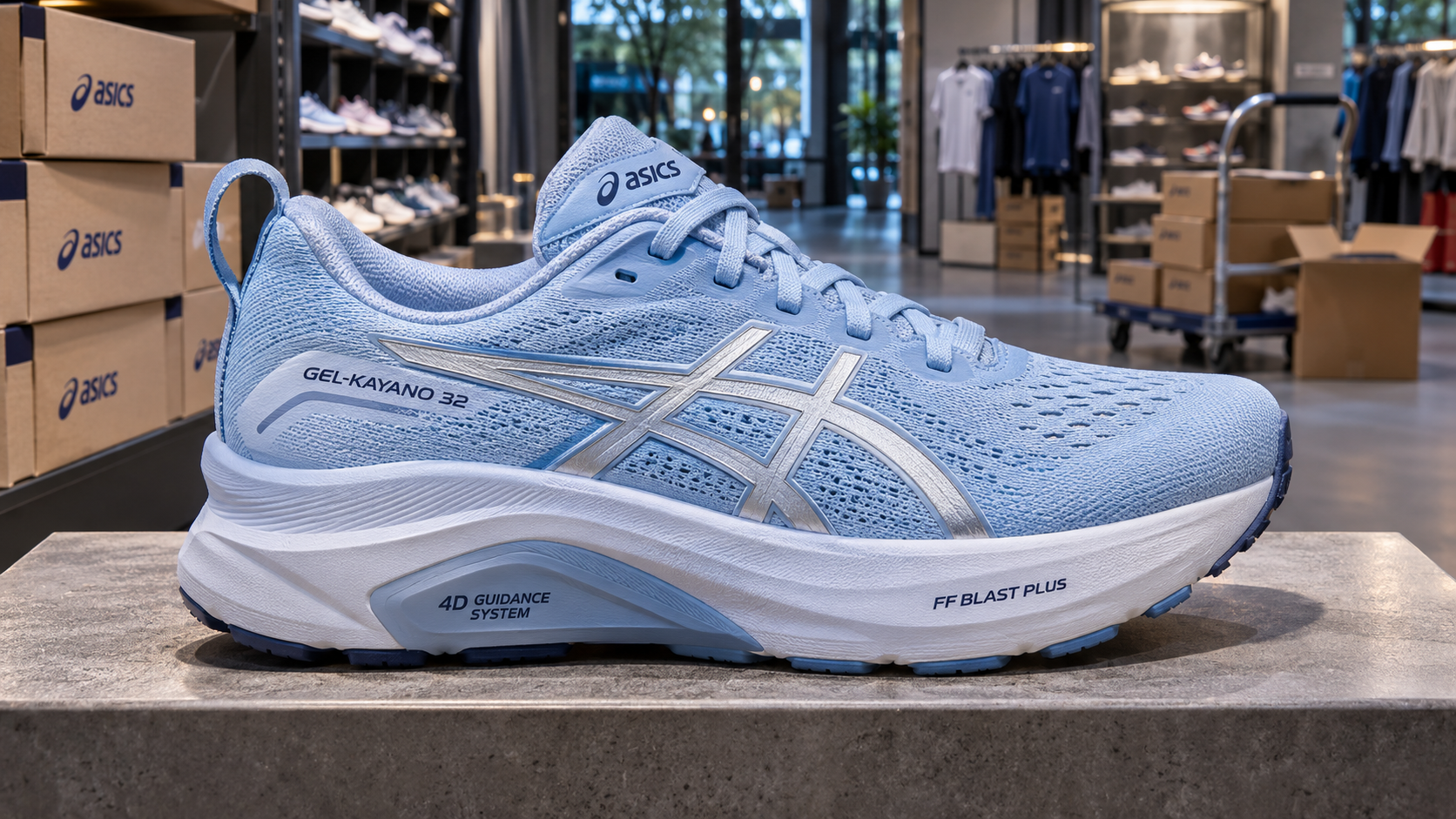
Asics kept its annual operating profit forecast below the analyst consensus cited by WWD. The September quarter showed why investors were cautious: sales rose nearly 22%, but shareholders’ profit slipped and operating costs grew faster than revenue.
Asics’ sales increased 21.8% from a year earlier in the September quarter, yet profit attributable to shareholders edged down. Its shares fell 14.34% to ¥4,180 in Tokyo on November 13, according to WWD. That was a ¥700 decline and the sharpest since August 2024. The company kept its annual operating profit outlook at ¥195 billion. That was below the ¥199.72 billion analyst consensus cited by WWD, even though the forecast would still represent growth of nearly 37% for the year.
For the three months from July through September, sales were ¥270.7 billion, up from ¥222.3 billion, and operating profit rose 18.4% to ¥55.1 billion. The operating margin slipped to 20.3% from 20.9%. Gross margin improved, but selling and administrative expenses rose 28.9%, faster than sales. Advertising alone rose 31.8%. The company recorded a ¥5.9 billion extraordinary loss, and profit attributable to owners fell to ¥32.6 billion from ¥32.7 billion. Sales grew 14.3% on a currency-neutral basis, below the reported pace.
The figures are stronger across nine months. Sales rose 28.8% to ¥805.1 billion from ¥625 billion, and profit attributable to owners rose to ¥114.7 billion from ¥86.3 billion. Performance Running sales were up 15.8%, SportStyle rose 70% and Onitsuka Tiger rose 34.6% on the same nine-month basis. Japan sales grew 24.2%, North America 25.5% and Europe 37.3%. Reported sales in Greater China rose 28.2%, or 15.1% on a currency-neutral basis. Asics said sales to inbound tourists in Japan increased to ¥46.2 billion from ¥32.8 billion. Those year-to-date numbers describe growth across the brands, but they do not show that the September quarter maintained the first half’s pace.
Asics kept its full-year sales forecast at ¥1.05 trillion, versus ¥810.9 billion last year, and its forecast for profit attributable to owners at ¥120 billion, versus ¥98.7 billion. Subtracting the nine-month actuals from the annual forecasts implies about ¥244.9 billion of sales, ¥19.5 billion of operating profit and ¥5.3 billion of profit attributable to owners for the final quarter. These are implied figures, not separate guidance. They put the focus on how much of the holiday quarter’s revenue reaches the bottom line.
The company is also giving its premium brand more room to operate independently. Its plan through 2029 calls for transferring the Onitsuka Tiger business to OT Group, a wholly owned subsidiary, effective January 1, 2027 as scheduled. That is an internal separation, not a separate stock listing or a distribution of shares to Asics investors. The group targets annual sales growth of at least 13% for Onitsuka Tiger over 2027 to 2029, compared with at least 10% for the Asics brand. Those targets put a number on what separate management is meant to achieve. They do not remove the expense pressure that showed up this quarter.
Image references: · מקור ייחוס · מקור ייחוס · מקור ייחוס
Frequently asked questions
What is "Asics shares fall as quarterly profit stalls despite rising sales" about?
Asics kept its 2026 forecast, but its September quarter showed slower sales growth, a lower operating margin and flat shareholder profit.
What is the market context?
Asics’ sales increased 21.8% from a year earlier in the September quarter, yet profit attributable to shareholders edged down. Its shares fell 14.34% to ¥4,180 in Tokyo on November 13, according to WWD. That was a ¥700 decline and the sharpest since August 2024. The company kept its annual operating profit outlook at ¥195 billion. That was below the ¥199.72 billion analyst consensus cited by WWD,…
When was this article published?
It was published on 17 / 11 / 2026 by Be The Investor Research.