


 Be The Investor Research
Analog Devices Buys Edge AI as Nvidia Absorbs Memory Costs
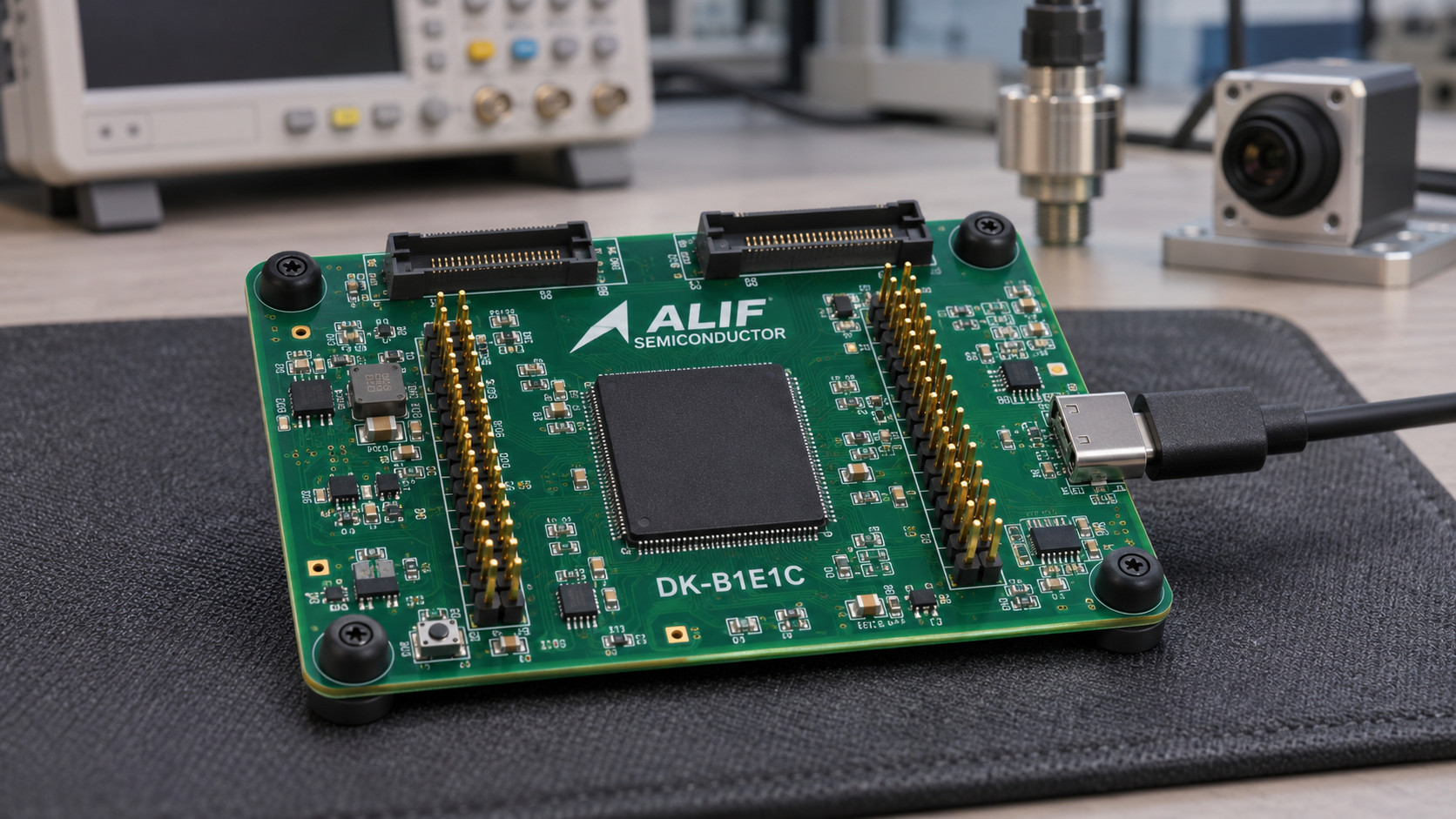
Analog Devices closed its Alif acquisition to put more computing inside industrial and consumer devices. Nvidia, whose sales are concentrated in data centers, expects higher memory costs to squeeze margins before its price increases take effect.
Analog Devices closed its purchase of Alif Semiconductor on November 3, adding chips that can run artificial intelligence inside a device instead of sending every decision to a data center. It is a different way to sell into the AI buildout from Nvidia's, and the two companies' August forecasts show how differently that demand is reaching their profit margins.
Alif makes low-power microcontrollers and processors that combine data from sensors and run models on the device. The chips were already shipping into production, with design wins at industrial and consumer companies, when Analog Devices announced the deal in September. Combining them with Analog Devices' sensors, signal processing and power components could make it easier for customers to build machines that respond quickly without a constant connection to the cloud. Those products and customer wins are evidence of a market, not a forecast of how much revenue the combined business will earn.
Analog Devices agreed to pay $1.35 billion in cash up front and as much as $200 million more if conditions are met. It paid $1.5 billion for power-management chipmaker Empower Semiconductor in July. A $3 billion September bond sale helped replenish liquidity and fund the acquisitions, according to S&P Global Ratings. Before that sale, Analog Devices had $9.12 billion of debt and $2.32 billion in cash and short-term investments at August 1. Management also said shareholder returns had exceeded free cash flow over the preceding twelve months. The acquisitions expand what it can sell, but they come at a time when the company is already using cash to reward shareholders.
Analog Devices expects adjusted gross margin of about 74% for its fiscal fourth quarter, up from 72.5% in the third quarter. Management cited a more profitable product mix, higher volumes and price increases that were not yet fully reflected in the forecast. It put exposure to data centers and automated test equipment together at about a fifth of sales, according to Trefis. Test equipment is a way to participate in chip production without depending entirely on the sale of AI accelerators.
Nvidia earned $89 billion of its $96.2 billion in July-quarter revenue from data centers. That concentration helped it grow faster, but memory shortages also raised costs. In August, Nvidia forecast that gross margins would bottom at 71% to 72% in the fourth quarter of fiscal 2027 before price increases take effect in the first quarter of fiscal 2028. It said it had invested nearly $50 billion in frontier AI labs and expected labs it backed to represent roughly a quarter of its business the following year. That is management's estimate, not a guaranteed share of sales. Investing in customers can help them build capacity; it also makes the funding of those customers relevant to demand for Nvidia's chips.
Trefis calculated that at the November 11 close, Nvidia traded at 21.8 times trailing earnings versus 48.1 times for Analog Devices. Nvidia also had faster trailing sales growth, 83.4% versus 33.6%, and a higher reported operating margin, 65.2% versus 35.7%. Analog Devices' margin improved more, rising from 25.3% against Nvidia's increase from 58.1%. Trefis put debt at 0.9% and 4.6% of market value respectively, using Analog Devices' balance sheet before its September bond sale. These are dated comparisons, not current multiples, and debt relative to market value can change without any debt being repaid.
Nvidia subsequently announced that finance chief Colette Kress would lead it on an interim basis after Jensen Huang resigned. Nvidia's November 17 report will be the first since that transition. Analog Devices reports on November 24. The questions are different: whether Nvidia can protect margins while memory is expensive, and whether Analog Devices can sell its new processing and power capabilities together at attractive returns.
Continue your NVDA research
Image references: · Alif Semiconductor · Analog Devices, Inc.
Frequently asked questions
What is "Analog Devices Buys Edge AI as Nvidia Absorbs Memory Costs" about?
Analog Devices closed its Alif deal while Nvidia flagged tighter margins from rising memory costs. The two chipmakers have very different exposure to AI.
Which stocks and assets does this article cover?
This article relates to NVDA.
What is the market context?
Analog Devices closed its purchase of Alif Semiconductor on November 3, adding chips that can run artificial intelligence inside a device instead of sending every decision to a data center. It is a different way to sell into the AI buildout from Nvidia's, and the two companies' August forecasts show how differently that demand is reaching their profit margins. Alif makes low-power…
When was this article published?
It was published on 13 / 11 / 2026 by Be The Investor Research.