


 Be The Investor Research
IAG Cuts Short-Haul Capacity as Fuel and Conflict Reshape Routes
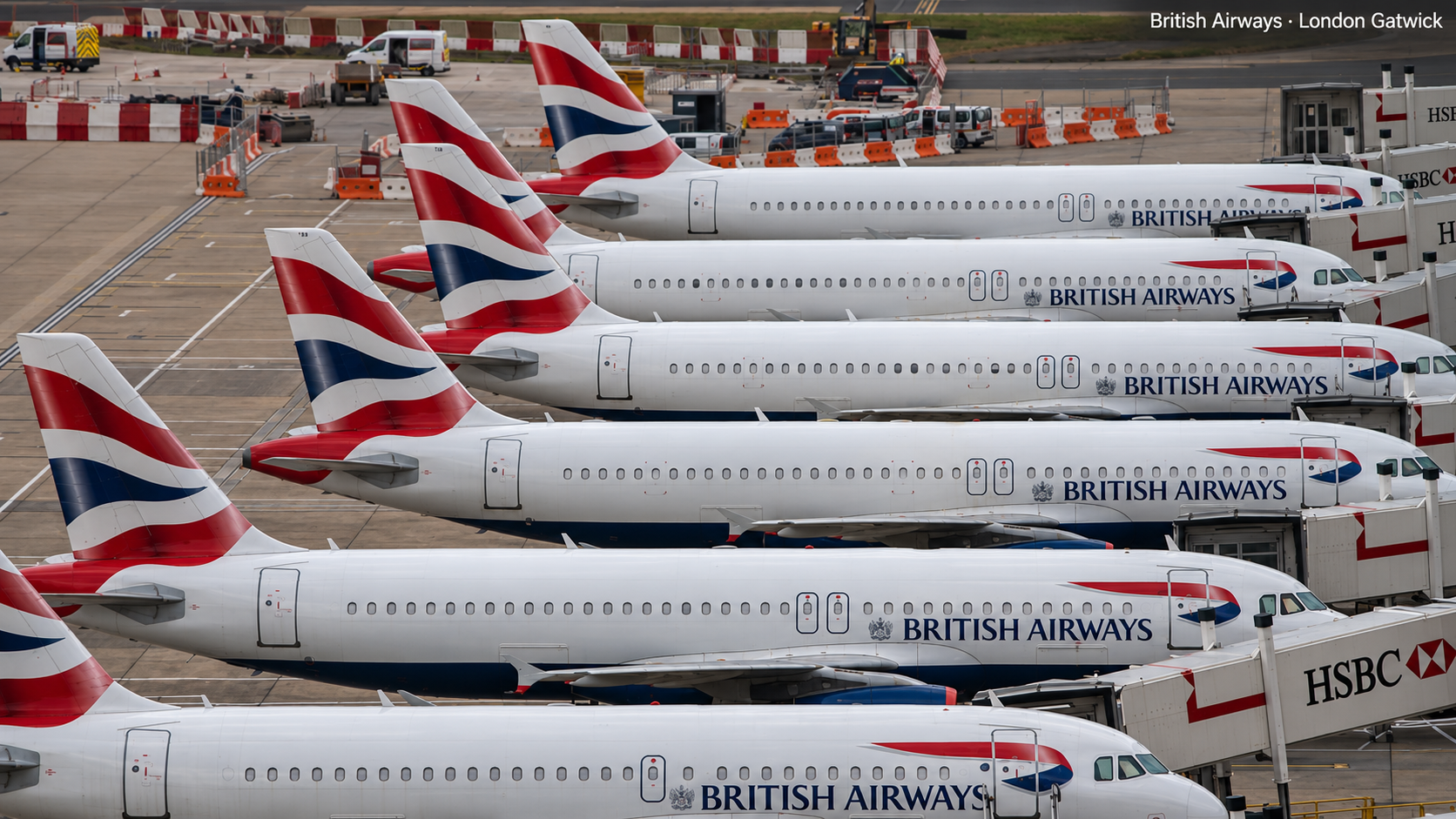
IAG is reducing short-haul capacity while preserving more long-haul exposure. The move may support pricing, but fuel costs, Middle East disruptions and aircraft availability remain important constraints.
International Airlines Group is trimming planned short-haul capacity while keeping more exposure to long-haul markets. Schedule data cited by UBS show a 2.4% reduction in short-haul capacity for 2026, even as some low-cost competitors continue to add seats.
The mix matters because IAG earns much of its profit on long-haul routes operated by British Airways and Iberia. UBS's sample put IAG's long-haul capacity share at 9.9%, up 0.4 percentage points. Spain accounted for a larger share of group capacity, while the United Kingdom's share declined.
The changes are not simply a demand call. IAG reported that higher fuel costs and conflict in the Middle East reduced second-quarter operating profit before exceptional items by 16.3% to €1.41 billion. Capacity flown was below plan, and the group said it had recovered about 60% of higher fuel costs through revenue and cost actions.
The company has also moved aircraft away from disrupted Gulf and Middle East routes and toward markets with stronger direct demand. That flexibility can protect revenue, but schedule changes may add operating costs and reduce the benefit of planned capacity growth.
A smaller short-haul schedule can support fares if demand remains firm. It can also mean lost market share if rivals expand successfully. Investors should therefore distinguish between disciplined capacity management and involuntary cuts caused by aircraft, maintenance or route constraints. IAG's next results should show whether the revised network improves unit revenue enough to offset fuel and disruption costs.
The timing is important because IAG is due to report third-quarter results on November 6. That update can test whether the schedule data translated into actual capacity flown, whether passenger revenue per available seat kilometre improved, and how much of the fuel increase the group recovered. Until then, the UBS figures are a forward schedule view rather than completed operating results.
Image references: · Getty Images via Aviation Week (Copyrighted reference, rights retained by original owner)
Frequently asked questions
What is "IAG Cuts Short-Haul Capacity as Fuel and Conflict Reshape Routes" about?
IAG is reducing short-haul capacity as fuel costs and Middle East disruption reshape its network, leaving pricing and execution in focus.
What is the market context?
International Airlines Group is trimming planned short-haul capacity while keeping more exposure to long-haul markets. Schedule data cited by UBS show a 2.4% reduction in short-haul capacity for 2026, even as some low-cost competitors continue to add seats. The mix matters because IAG earns much of its profit on long-haul routes operated by British Airways and Iberia. UBS's sample put IAG's…
When was this article published?
It was published on 04 / 11 / 2026 by Be The Investor Research.