



A Tesla-SpaceX Combination Would Put China at the Center of Review
Tesla and SpaceX are formally exploring a possible combination, but no terms exist. Tesla's Shanghai production and SpaceX's defense role make Chinese approval a material uncertainty.
Tesla and SpaceX have moved a possible combination beyond rumor, but not close to a signed deal. Each company disclosed that its board formed a special committee to evaluate a transaction. Neither filing provided a price, exchange ratio or timetable, and both warned that no agreement may be reached.
Bank of America argued that China could be the most difficult regulatory issue. The logic is straightforward: Tesla's Shanghai factory is one of its largest manufacturing assets, while SpaceX is a major U.S. defense contractor. A combination could place Chinese vehicle production under a company with sensitive U.S. government relationships.
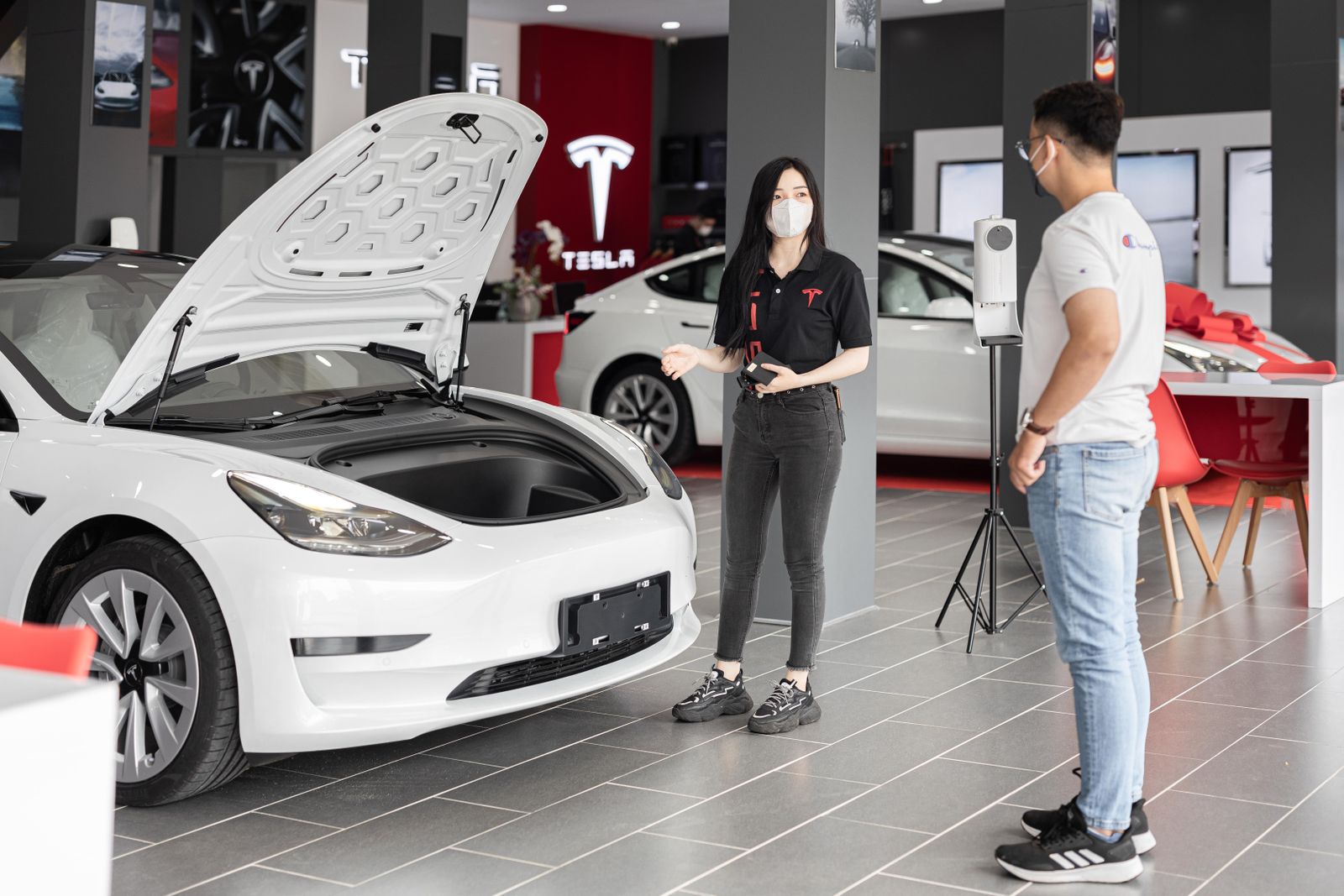
Tesla says the Shanghai plant has installed annual capacity above 950,000 vehicles. The source report estimated it accounts for roughly half of Tesla's global production for both Chinese and export markets. That makes Chinese regulatory treatment more than a peripheral risk. Any restriction affecting ownership, data, technology transfer or exports could change the economics of a deal.
The filings also narrow what investors should assume. SpaceX said its committee had made no determination and that any transaction would need further approvals from the committee, the board and the controlling shareholder. Tesla said its committee consists of disinterested directors and that a deal could require shareholder approval.
The financial structure is equally uncertain. Bank of America discussed an all-stock acquisition of Tesla by SpaceX and kept a Buy rating with a $460 Tesla target, but those are analyst assumptions, not announced terms. Investors cannot yet calculate dilution, control, tax effects or a merger premium.
The strategic argument is visible. Tesla brings automotive manufacturing, energy storage and cash-generating operations. SpaceX brings launch, satellite and defense businesses. Combining them could create financing and technology links, but it would also join two capital-intensive companies with very different regulatory exposures.
Search interest confirms that the topic is attracting attention, but it does not make a transaction more likely. The investable facts are still limited to committee formation and identified regulatory risks. The next meaningful disclosure would be an agreed structure, independent valuation work or a formal decision by either committee. Until then, China is a material scenario to analyze, not proof that a merger will proceed or fail.