



Coach is winning younger buyers without relying on discounts
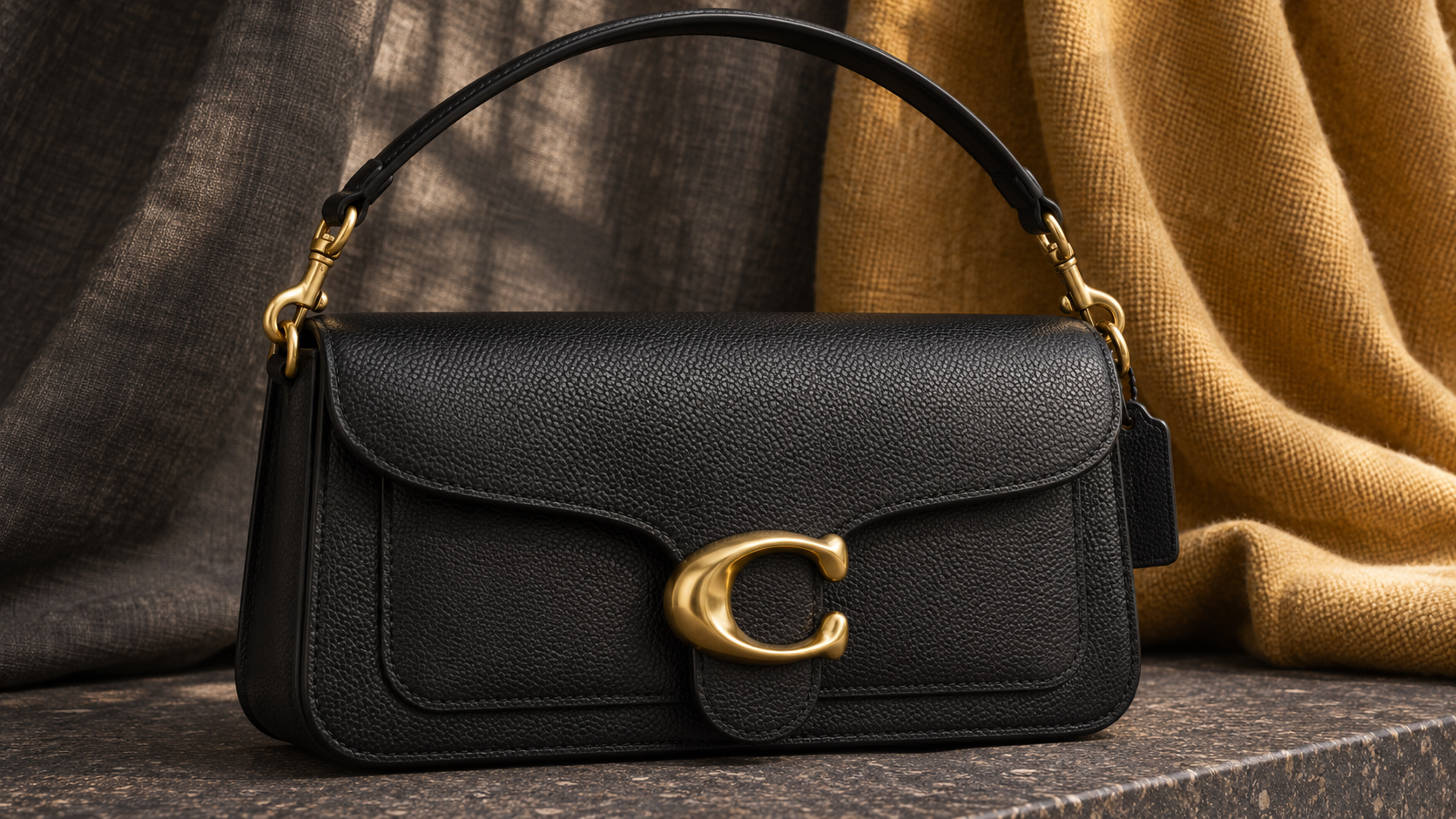
Tapestry added 2.6 million new customers in the quarter, about 35% of them from Generation Z. Coach’s product lines and store changes help explain the strategy, though Kate Spade shows that attracting attention is not the same as reviving sales.
Coach persuaded more people to buy its bags while charging more for the average one. That is a better test of its appeal to younger shoppers than views on a social media video. The question for Tapestry is whether those customers keep coming back, and whether the approach can work for its smaller brand, Kate Spade.
Tapestry said it gained 2.6 million new customers in its fiscal first quarter, about 35% of them from Generation Z. That implies roughly 910,000 new Gen Z customers across the group, using the rounded figures. Coach accounted for more than 2.1 million new customers; its chief executive put the Gen Z share of that group at about 40%. These figures describe new customers, not the share of revenue coming from young shoppers or the number of them who bought again.
Management said Coach’s New York, Tabby and Teri collections helped attract younger buyers. It is also remodeling and opening stores that management says are drawing more foot traffic and longer visits from that group. Coach’s fall campaign featured Elle Fanning and musicians including Jeon So-yeon. The campaign put the Tabby bag in short films and used a touring bus to extend it into in-person events. Separately, the earnings call identified Tyla as a Kate Spade ambassador. A celebrity campaign can help a brand get noticed, but management did not put a dollar value on how much sales each partnership generated.
The quarter’s numbers show where that approach is working. Tapestry reported $1.894 billion of revenue, up 11% as reported and 12% excluding Stuart Weitzman from the year-earlier comparison. Coach’s revenue rose 16% to about $1.66 billion. Coach’s average handbag price rose by a low-double-digit percentage while units sold grew by a low-single-digit percentage, according to Tapestry. That combination indicates Coach did not have to choose between charging more and selling more in the quarter. It does not establish that the same price increases would work across the assortment.
Kate Spade’s revenue fell 10%, even as management reported stronger interest from younger consumers after its fall campaign. The gap is useful: more interest can precede better sales, but it cannot substitute for them. Tapestry raised its full-year outlook after the quarter. For Coach, the next evidence that this strategy lasts would be repeat demand at full price; for Kate Spade, it would be more people buying, not just more people recognizing the brand.
Image references: · מקור ייחוס · מקור ייחוס · מקור ייחוס
Frequently asked questions
What is "Coach is winning younger buyers without relying on discounts" about?
Coach’s handbag prices and units rose as Tapestry brought in younger customers. Kate Spade’s weaker results show the limits of the playbook.
What is the market context?
Coach persuaded more people to buy its bags while charging more for the average one. That is a better test of its appeal to younger shoppers than views on a social media video. The question for Tapestry is whether those customers keep coming back, and whether the approach can work for its smaller brand, Kate Spade. Tapestry said it gained 2.6 million new customers in its fiscal first quarter,…
When was this article published?
It was published on 13 / 11 / 2026 by Be The Investor Research.