


 Be The Investor Research
The U.S.-Venezuela Oil Deals Could Lift Supply — but Refining Constraints and Politics Will Decide the Market Impact
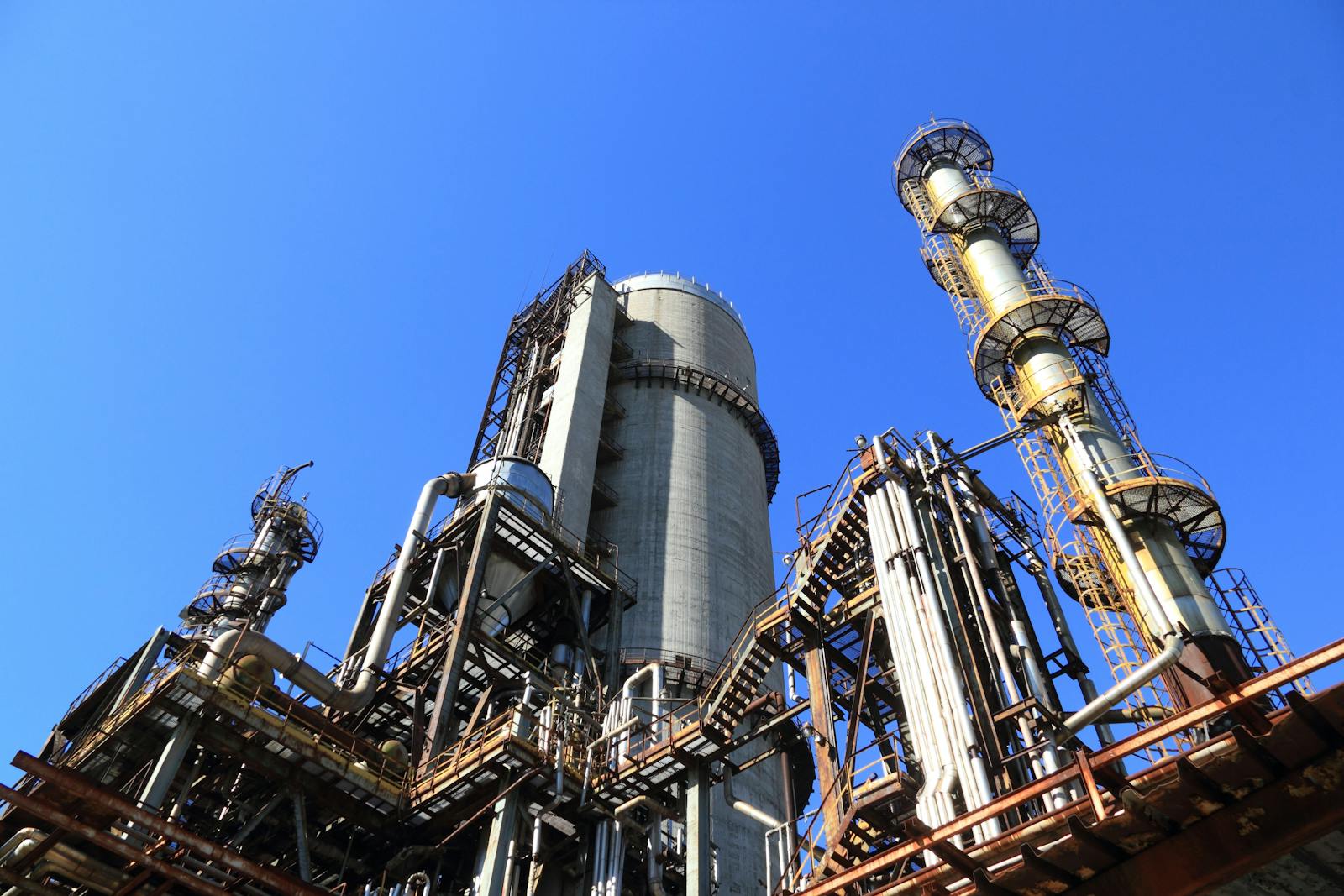
New U.S.-backed oil agreements aim to expand Venezuelan production through Chevron and private operators. The potential supply is meaningful, but infrastructure decay, sanctions, refining capacity and political risk will determine how fast barrels reach the market.
The new U.S.-backed oil agreements with Venezuela could eventually increase global crude supply, but investors should not treat them as an immediate solution to high oil prices.
The source describes several separate arrangements rather than one single deal.
Chevron is expanding activity in Venezuela under its own framework.
Other agreements involve private operators, including North American Blue Energy Partners, and U.S. government participation tied to future oil production.
The structure is unusual because Washington is using investment and operating partnerships to accelerate output from a country with enormous reserves but badly degraded infrastructure.
Venezuela once produced roughly 3.5 million barrels per day.
Years of underinvestment, sanctions, operational problems and political turmoil pushed production below 1 million barrels per day for extended periods before a recent recovery above that level.
That creates a large theoretical upside.
The practical recovery will be slower.
Oil fields, pipelines, export terminals, power systems and refineries all require investment.
Skilled labor and equipment have also left the country over many years.
Increasing production by several hundred thousand barrels per day is easier than restoring the historic peak.
The agreements also create political risk.
Venezuela’s relationship with the United States has been volatile for decades.
Future administrations can change sanctions, licenses or investment terms.
Private investors therefore need returns high enough to compensate for sovereign risk.
The type of crude matters too.
Much of Venezuela’s production is heavy and sour, requiring specific refinery configurations.
U.S. Gulf Coast refineries are well suited to process those barrels, which gives Venezuelan crude strategic value.
But refining capacity is already tight in parts of the system.
The source highlights diesel prices and refining constraints as important reasons why additional crude supply may not immediately translate into lower fuel prices.
If refineries cannot process more barrels, crude availability alone does not solve the downstream bottleneck.
The deals can still matter for global pricing.
Additional Venezuelan supply could reduce pressure on other heavy-crude sources and increase competition among exporters.
That could help margins for refiners designed for heavy oil.
Chevron is the most obvious public-company beneficiary because it already operates in Venezuela and has experience with the local assets.
Other energy-service, infrastructure and trading companies could benefit if investment expands.
The risk is that market expectations move faster than production.
Announcements can change sentiment immediately.
Physical barrels take months or years to reach sustained commercial volumes.
Investors should watch production data, export volumes, refinery utilization, sanctions policy and capital spending.
The refining angle is especially important for U.S. consumers. Heavy Venezuelan crude is valuable to Gulf Coast refineries that were designed for similar feedstocks from Venezuela and Mexico. More supply can improve refinery input economics if the barrels arrive reliably.
However, gasoline and diesel prices depend on refinery utilization, product inventories and distribution as well as crude prices. A shortage of refining capacity can keep fuel expensive even when crude supply improves.
Geopolitics can also affect who captures the value. Chinese and Russian interests have been active in Venezuela, and new U.S.-backed arrangements may alter commercial relationships. Contract disputes or political changes could delay investment.
For investors, the strongest evidence will be physical: rising production, higher exports to the U.S. and sustained refinery runs. Political announcements matter, but barrels on ships matter more.
Long-term production economics will depend on contract terms. Private operators need clarity on royalties, taxes, repatriation of cash and ownership rights. High reserve quality means little if fiscal terms change after capital is committed. Political stability is therefore a core part of the discounted cash-flow calculation.
The timeline could be measured in years rather than quarters. Restoring fields, pipelines and export systems requires repeated capital investment, while political agreements must survive changes in government. Markets may price expected supply well before it arrives, creating volatility whenever production targets are revised.
BTI’s bottom line: the U.S.-Venezuela oil agreements can become a meaningful supply story, but they are not an instant oil-price fix. Infrastructure, refining capacity and politics will determine the pace. The investment opportunity is real, but execution risk is unusually high because the assets sit inside one of the world’s most complex energy and geopolitical environments.