


 Be The Investor Research
Tesla and SpaceX Committees Put Related-Party Economics on Display
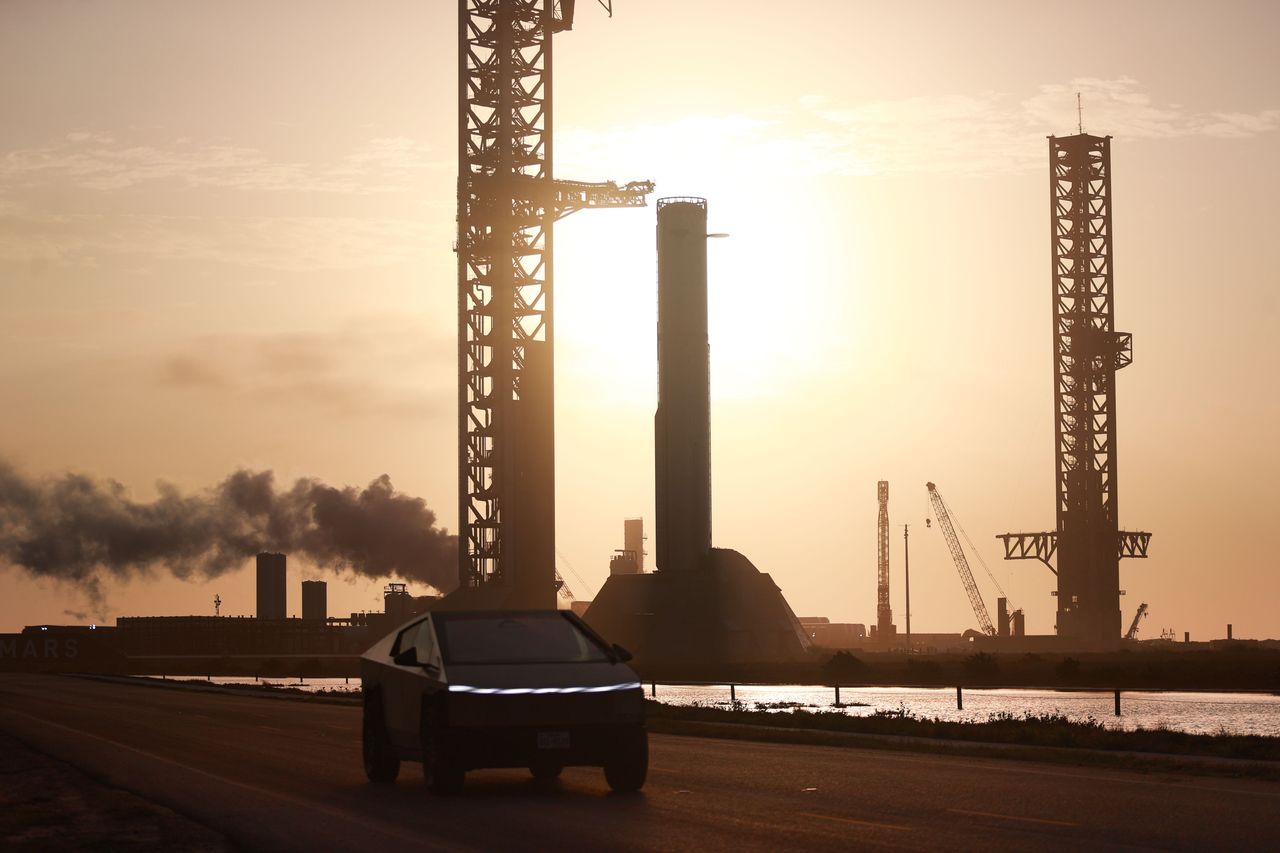
Tesla and SpaceX formed independent committees to explore a possible combination, with no agreed terms or assurance of a deal. Existing Megapack sales, receivables and joint projects show both the potential synergies and conflicts.
Tesla and SpaceX have each formed a special committee of independent directors to explore a deeper relationship that could include a business combination. The companies said no terms have been agreed and there is no assurance that a transaction will occur. Elon Musk, who has major interests in both businesses, said he is conflicted and is not participating in committee discussions.
The absence of terms is the most important fact for investors. There is no exchange ratio, financing plan, timetable or agreed governance structure. Reuters reported that a potential transaction would require additional approvals, including from the boards and Musk in his capacity as SpaceX's controlling investor. Tesla shareholder approval would also be a central condition.
The two companies already have significant commercial ties. During the quarter ended September 30, SpaceX bought $151 million of Tesla Megapack energy-storage systems and $480 million during the first nine months of 2026, according to the companies' reported figures. Tesla recorded $221 million of third-quarter revenue and $171 million of related costs from Megapack sales to SpaceX.
The balance-sheet links are larger than the quarterly income-statement contribution. Tesla had $729 million of receivables from SpaceX at September 30 and $648 million of deferred revenue tied to Megapacks ordered but not fully delivered. These amounts expose Tesla to SpaceX's payment timing and delivery execution while also giving Tesla a large affiliated customer.
Tesla invested about $2.0 billion in SpaceX common stock in March for a stake of less than 1%. The holding was valued at $2.9 billion at September 30. Tesla recorded a $142 million unrealized loss on the investment in the third quarter but an $863 million unrealized gain for the first nine months. Those valuation changes are not operating cash flow and can reverse with SpaceX's share price.
The companies also plan to work on Terafab, a proposed semiconductor plant in Grimes County, Texas. The source described an initial investment of about $16.8 billion, a first test chip target in the first half of 2027 and volume production by the third quarter of 2028. The project is intended to serve Tesla robotics and autonomous vehicles as well as SpaceX computing. Tesla's Roadster program is another collaboration, with production now targeted for 2028.
These links can support shared engineering, purchasing and capital allocation. They also make valuation and fairness harder. Any merger terms must decide how much value belongs to each shareholder group, how affiliated transactions are priced and how Musk's control is constrained.
The special committees are a process safeguard, not evidence that a deal is fair or likely. Investors should wait for filed terms, independent valuation work, financing details and voting requirements before assigning merger value to either stock.