


 Be The Investor Research
Nintendo Keeps Physical Games as Sony Moves Toward Digital Distribution
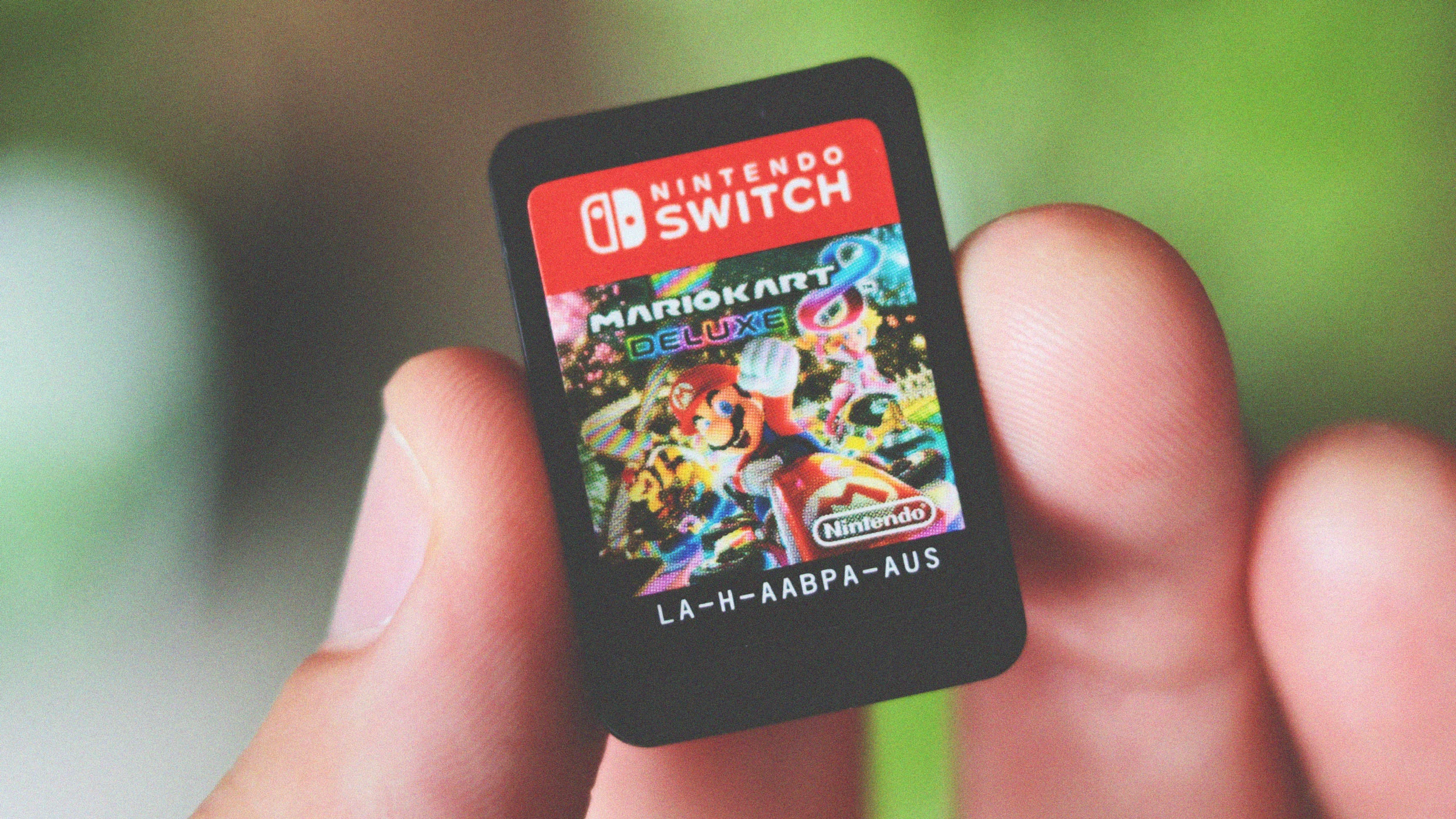
Nintendo says Switch 2 will continue supporting cartridges while Sony plans to stop physical releases for new PlayStation games in 2028. Nintendo's choice reflects a customer mix that remains materially more dependent on packaged software.
Nintendo is keeping physical games at the center of Switch 2 while Sony prepares to stop producing discs for new PlayStation games in 2028. The contrast is not simply a cultural choice. Nintendo still has more revenue tied to packaged software, so removing cartridges would risk disrupting a meaningful part of its business.
Different customers, different economics
Bill van Zyll, Nintendo's vice president and general manager for Latin America, said the company has no plan to abandon physical games and will follow consumer preference. Fast Company reported physical games represented 38.5% of Nintendo's software revenue in the quarter ended June 30.
Nintendo's own financial materials reinforce the point. In its fiscal 2026 first-nine-month results, digital sales accounted for 50.4% of dedicated video game software sales. That measure includes downloadable versions, add-on content and Nintendo Switch Online revenue, so it does not imply that half of full-game unit sales were digital. It does show that physical distribution remains economically relevant.
Sony's calculus is different. The report said only 15% of PlayStation game sales in the fourth quarter of the prior year were physical copies. Removing a disc drive can lower hardware cost and simplify distribution, especially when memory and processor prices are elevated. The trade-off is customer resistance from players who value resale, lending and durable ownership.
Why Nintendo can afford to wait
Switch 2 launched with both cartridge and digital capability. Preserving both formats lets Nintendo serve collectors, gift buyers, retailers and households with limited storage or bandwidth without closing off its growing digital channel.
The strategy also avoids turning a distribution decision into a consumer-rights dispute. Sony argued in a legal filing that buyers of digital games purchase licenses rather than ownership of the games themselves, according to Fast Company. Nintendo does not need to resolve that debate today because its hybrid model keeps both options available.
For investors, the relevant test is not whether physical media survives forever. It is whether Nintendo can keep software margins and engagement rising while supporting two distribution systems. For now, its revenue mix makes flexibility more valuable than the cost savings of a digital-only platform.