


 Be The Investor Research
Sable's New Oil Buyers Do Not Remove Its Liquidity Crisis
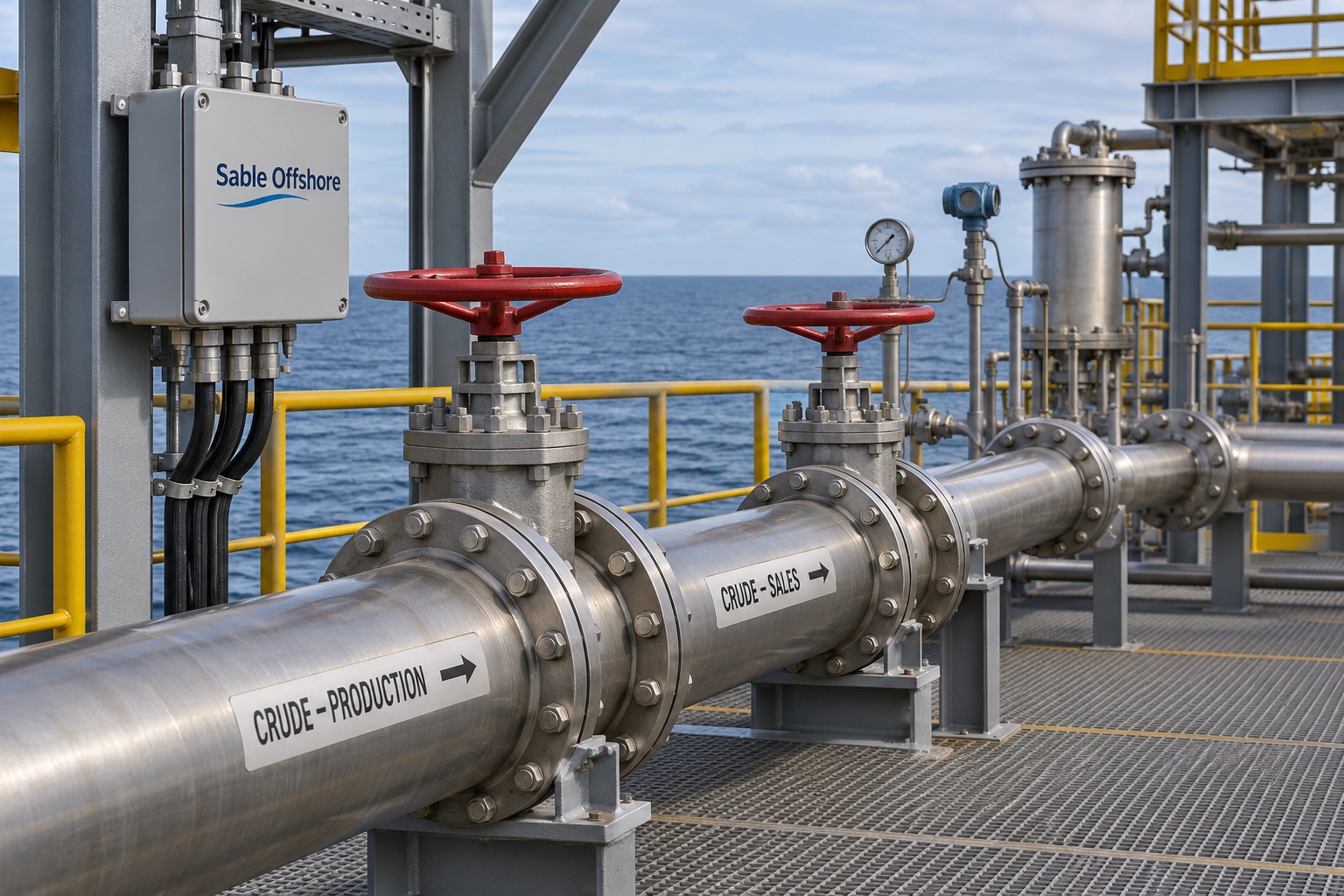
Sable Offshore added three Los Angeles refinery customers after its sole buyer stopped purchases. Sales diversification helps, but the interruption revived a going-concern warning and exposed severe financing risk.
Sable Offshore has begun selling crude to three additional Los Angeles-area refineries after its sole downstream buyer stopped purchases in early October. The diversification is operationally important, but it does not remove the liquidity problem created by the interruption.
The original buyer halted purchases while upgrading and maintaining refinery storage tanks. Sable said the disruption forced it to evaluate options for near-term working capital, including a bulk sale of crude held in inventory. Management expects all four major Los Angeles-area refineries to increase purchases over time, but that expectation is forward-looking and does not establish contracted volumes or timing.
The interruption changed the financial assessment. In its September-quarter filing, management said operating cash flow and remaining refinancing proceeds were not expected to cover near-term operating expenses and debt service after the buyer curtailed purchases. It concluded that substantial doubt exists about Sable's ability to continue as a going concern for the year following issuance of the financial statements.
At September 30, Sable held $38 million of cash. It reported $154.4 million of third-quarter revenue and average daily net sales of roughly 27,000 barrels, up 29% from the second quarter. Yet it used $146.5 million of cash in operating activities over the first nine months of 2026 and recorded a nine-month net loss of $530.6 million. The loss included large noncash items, but cash consumption remained substantial.
Debt adds urgency. The filing classified $112.2 million of Term Loan B's carrying value as current, while $345 million of convertible-note principal remained outstanding. Term Loan B carried an effective interest rate of about 20.2% for the quarter. Sable also incurred $119.1 million of interest expense during the first nine months, including amortization and exit-fee accretion.
Equity issuance has provided liquidity at the cost of dilution. Sable sold 16.1 million shares through its at-the-market program during the third quarter for $76.6 million of gross proceeds, an average near $4.75 a share. Shares outstanding reached roughly 208.0 million, compared with 145.0 million at the end of 2025.
Operationally, Sable plans to bring Platform Hondo wells online and forecast about 10,000 gross barrels per day from the platform in December. Adding lighter crude could improve the field's overall sulfur mix and marketability. Those benefits depend on inspections, commissioning, production and dependable refinery demand.
The new buyers reduce reliance on one purchaser, but the decisive questions are immediate cash receipts, inventory monetization and financing terms. Until those are resolved, production growth is not enough to offset the going-concern warning, expensive debt and continuing dilution risk.
Image references: · Sable Offshore (Official factual background)
Frequently asked questions
What is "Sable's New Oil Buyers Do Not Remove Its Liquidity Crisis" about?
Sable added three refinery customers after its sole buyer stopped purchases, but a going-concern warning, costly debt and dilution remain.
What is the market context?
Sable Offshore has begun selling crude to three additional Los Angeles-area refineries after its sole downstream buyer stopped purchases in early October. The diversification is operationally important, but it does not remove the liquidity problem created by the interruption. The original buyer halted purchases while upgrading and maintaining refinery storage tanks. Sable said the disruption…
When was this article published?
It was published on 11 / 11 / 2026 by Be The Investor Research.