


 Be The Investor Research
Sandisk's Sub-$1,400 Dip Tests a Very Expensive Growth Story
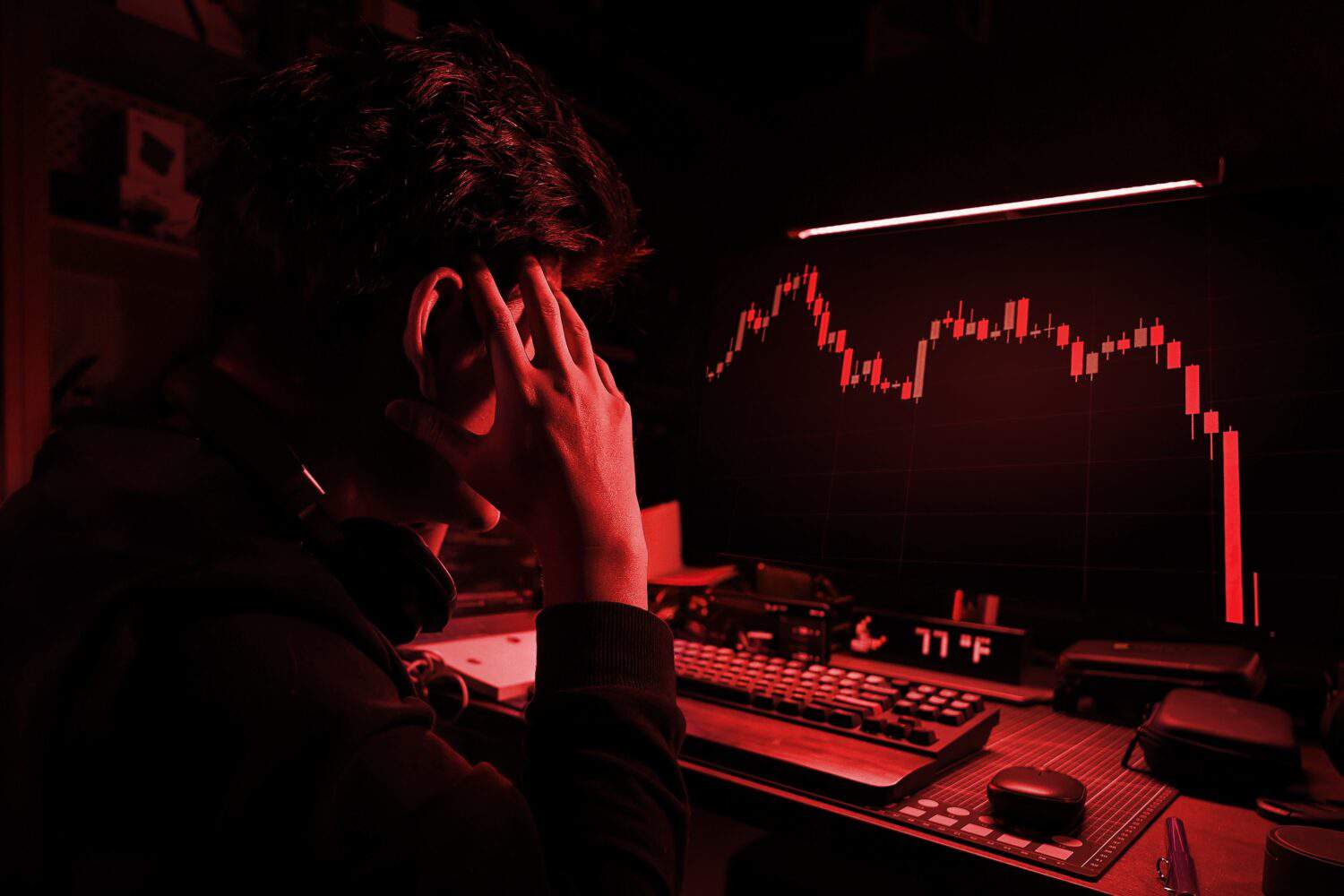
Sandisk's shares slipped below $1,400 after a year of extraordinary revenue and earnings growth. The next report must show whether record margins and AI-driven demand can offset consumer weakness and an elevated valuation.
Sandisk's move below $1,400 is psychologically striking, but the round number is not the investment thesis. The company has just completed a year of exceptional growth, and the real question is how much of that performance is already embedded in the share price.
For fiscal 2026, Sandisk reported revenue of $20.25 billion, up 175.3%. Fourth-quarter revenue reached $8.96 billion, an increase of 371.6%, while non-GAAP earnings of $39.25 per share exceeded the cited consensus of $33.28. Management guided the following quarter to revenue of $10.3 billion to $10.8 billion and non-GAAP earnings of $44 to $46 per share.
The expansion reflects tight flash-memory supply and strong data-center demand. Sandisk said more than half of its fiscal 2027 bit shipments were covered by contracts, giving the company unusual forward visibility for a cyclical semiconductor business. The source report also cited a non-GAAP gross margin of 84.6% and a $15.5 billion repurchase authorization.
Those figures create a demanding setup. Consumer revenue fell 32% sequentially, showing that not every end market is sharing the boom. Memory pricing and margins can reverse quickly when capacity expands or customer inventories rise. A large buyback can support per-share results, but it does not protect investors from paying too much at the top of a cycle.
The next earnings report, scheduled for October 29, must do more than beat a single quarterly estimate. Investors need evidence that contracted data-center demand converts into cash, that gross margins remain defensible and that consumer weakness does not spread.
A sub-$1,400 price does not make Sandisk cheap by itself. It simply moves the stock below a visible threshold after a steep run. The durable case depends on whether the company's contracted demand and capital returns can outlast the memory cycle that produced its extraordinary 2026 numbers. Capacity additions across the memory industry could change that balance quickly, so management's comments on supply discipline deserve as much attention as the reported price.