


 Be The Investor Research
Gold Demand Forecast Is Cut in Half, but ETFs Keep the Case Alive
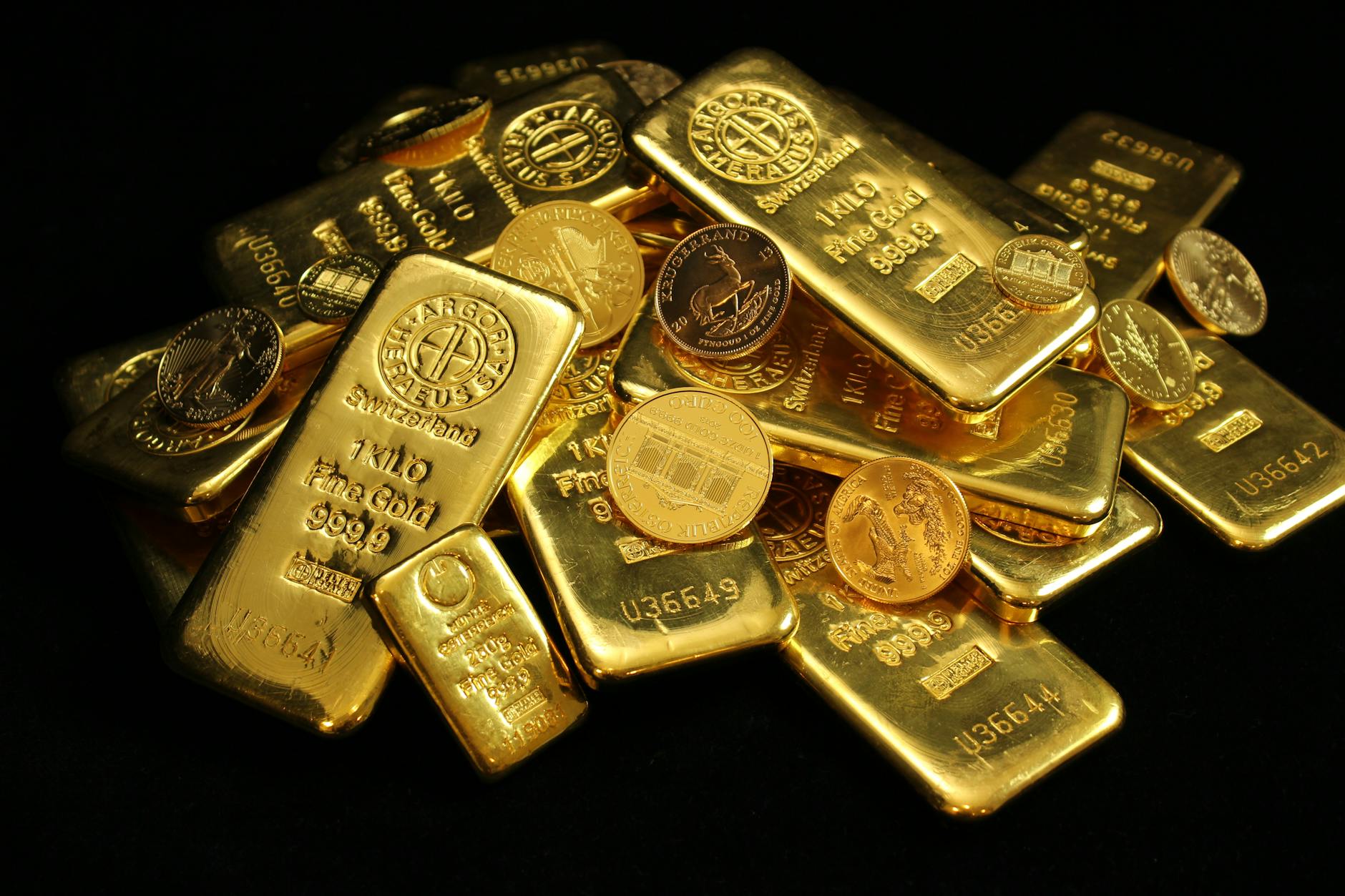
The World Gold Council halved its 2026 investment-demand growth forecast to 200 tonnes as bar and coin buying slowed. Strong ETF inflows and central-bank purchases still support gold, leaving rates and the dollar as the main counterweight.
The World Gold Council has halved its forecast for the annual increase in gold investment demand, cutting the expected 2026 gain to about 200 tonnes from 400 tonnes. The revision is meaningful, but it is not a forecast for investment demand to collapse. The council still expects investment to be the main source of total gold-demand growth this year.
The weakness is concentrated in physical investment. Bar and coin buying slowed notably in the second half, even though the council still described it as relatively resilient. The accompanying market report said third-quarter bar and coin demand fell 19%. By contrast, gold exchange-traded fund demand exceeded the council’s expectations, with strong third-quarter inflows despite higher bond yields, a stronger U.S. dollar and lower measured geopolitical risk.
That split explains why the outlook is less bullish without becoming outright bearish. Higher policy rates and bond yields raise the opportunity cost of holding an asset that pays no income. A stronger dollar can also pressure the metal. Fiscal concerns, elevated inflation expectations, geopolitics and stress in equity or credit markets can work in the opposite direction by increasing demand for a store of value.
Central banks are another support. After stronger-than-expected third-quarter buying and an upward revision to second-quarter data, the council now expects full-year official-sector demand to at least match 2025. Jewelry is the weak spot because high prices reduce affordability and volumes. Technology demand is expected to remain broadly stable.
Supply is not responding aggressively to high prices. The council expects mine production could reach another record, but subdued recycling should leave total supply modestly lower for the full year. That combination limits the cushion if investment demand strengthens again, though it does not eliminate the risk from higher real yields.
The short-term market action was clearly negative. On November 3, the source report said January 2027 gold futures fell 1.4% to $3,929.80 an ounce and January silver futures dropped 3.8% to $49.20. SPDR Gold Shares fell more than 1.1% before the market opened, while iShares Silver Trust dropped 3.2% to nearly a 52-week low. Those are dated market observations, not current prices.
Silver’s selloff should not be treated as direct evidence about the World Gold Council’s forecast, which concerns gold. Silver has its own industrial-demand and supply drivers. The shared move mainly shows that precious-metals positioning can react quickly to rates, the dollar, energy prices and political uncertainty.
For gold investors, the useful signal is the composition of demand. Physical buyers have become more price-sensitive, but ETF and central-bank demand remain strong enough to keep investment as the principal growth engine. The next decisive evidence is whether ETF inflows persist if rates and the dollar rise further, or whether physical demand needs a lower price before it returns.
Continue your SLV research
Frequently asked questions
What is "Gold Demand Forecast Is Cut in Half, but ETFs Keep the Case Alive" about?
The World Gold Council cut 2026 investment-demand growth to 200 tonnes, while ETF inflows and central-bank purchases still support gold.
Which stocks and assets does this article cover?
This article relates to SLV.
What is the market context?
The World Gold Council has halved its forecast for the annual increase in gold investment demand, cutting the expected 2026 gain to about 200 tonnes from 400 tonnes. The revision is meaningful, but it is not a forecast for investment demand to collapse. The council still expects investment to be the main source of total gold-demand growth this year. The weakness is concentrated in physical…
When was this article published?
It was published on 05 / 11 / 2026 by Be The Investor Research.