



Sigma Lithium Cuts Near-Term Debt Risk With $125 Million Bond
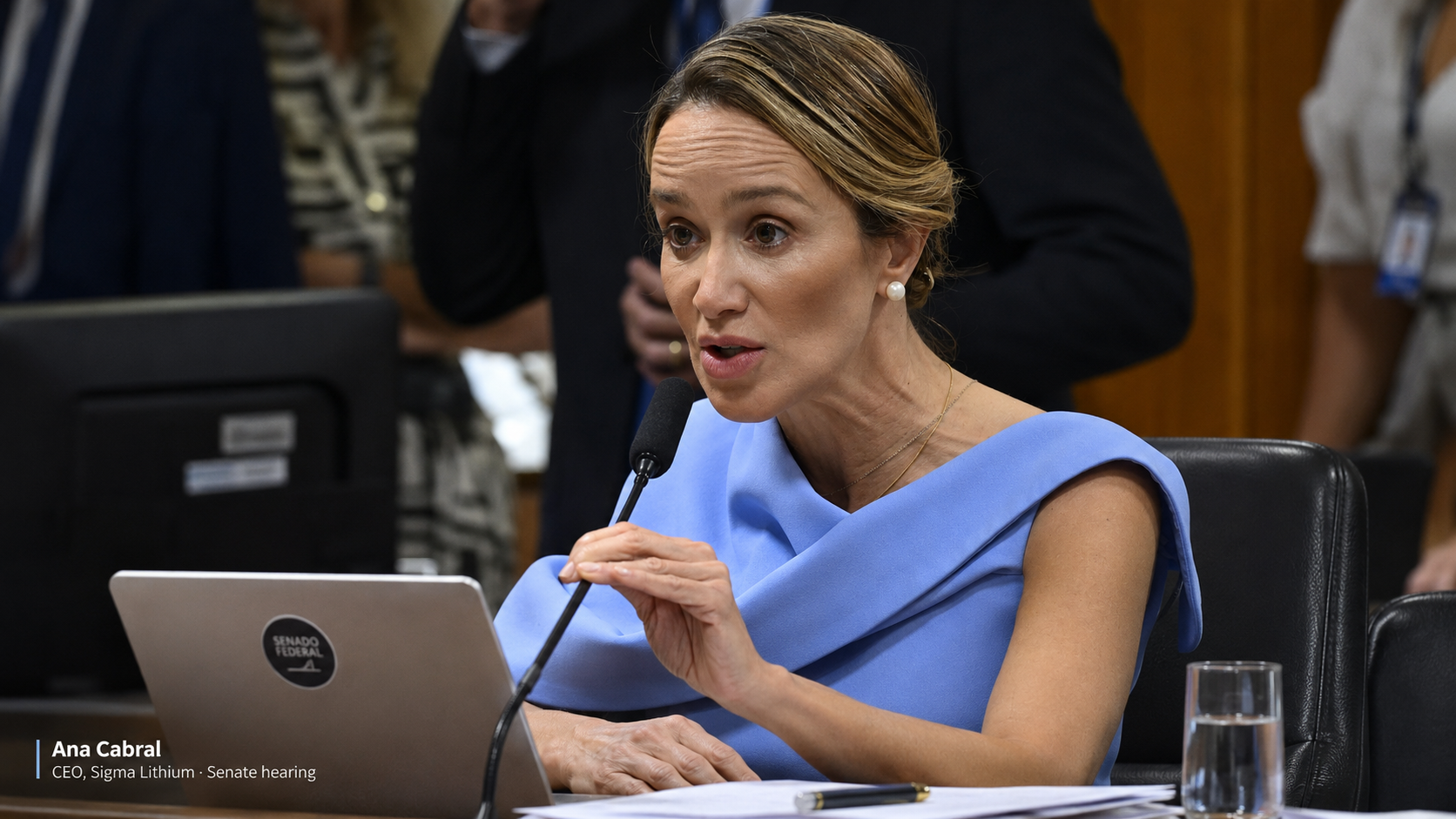
Sigma Lithium priced a $125 million convertible bond, 25% above the initial size, to refinance costly secured debt. The deal extends maturity to 2031 but introduces potential equity dilution.
Sigma Lithium has traded expensive near-term debt for a longer-dated convertible obligation. The company priced $125 million of five-year senior unsecured convertible bonds due in 2031, increasing the offering by 25% from the $100 million initially announced.
The bonds carry a fixed 7% annual coupon. Sigma plans to use the proceeds primarily to repay senior secured debt owed to Synergy Capital, which carries a floating rate of 11.45% and matures in June 2027. Repayment would release the lender's security and extend the main maturity by roughly four years.
The lower coupon is meaningful. Before fees and differences in principal, replacing 11.45% debt with 7% debt reduces the annual interest rate by 4.45 percentage points. The exact cash saving will depend on the amount repaid, transaction expenses and any remaining debt, so the rate difference should not be mistaken for a final savings forecast.
The financing also creates dilution risk. The initial conversion price is $6.51, 25% above Sigma's $5.21 Nasdaq closing price on November 2. The bonds generally cannot be converted during the first 12 months, subject to limited exceptions. Investors also have a put right in November 2029, which means the practical refinancing date could arrive before the 2031 legal maturity if holders exercise that option.
Balance-sheet context explains why the deal matters. Sigma said it had repaid more than $90 million of debt since the second quarter of 2024 and reduced total debt to $125 million by October 21, 2026. Yet cash was only about $10 million at September 30, with potential liquidity sources of about $62 million. Restricted and potential funding sources are not the same as freely available cash, so the refinancing addresses a real liquidity constraint rather than simply optimizing an already cash-rich balance sheet.
The company expects the transaction to reduce short-term debt by about 80%. Any proceeds left after repaying Synergy are intended for capital spending and general corporate purposes. Closing is expected around November 16, subject to approvals, and the bonds are intended to trade on the Vienna multilateral trading facility.
The deal improves Sigma's maturity profile and lowers its stated borrowing rate, but it does not remove financing risk. Investors must weigh lower near-term cash interest and released collateral against possible conversion dilution, the 2029 put and the company's limited cash cushion.
Image references: · Geraldo Magela / Agencia Senado (CC BY 4.0)