


 Be The Investor Research
Shell's $5 Billion Buyback Still Trails Its Payout Ambition
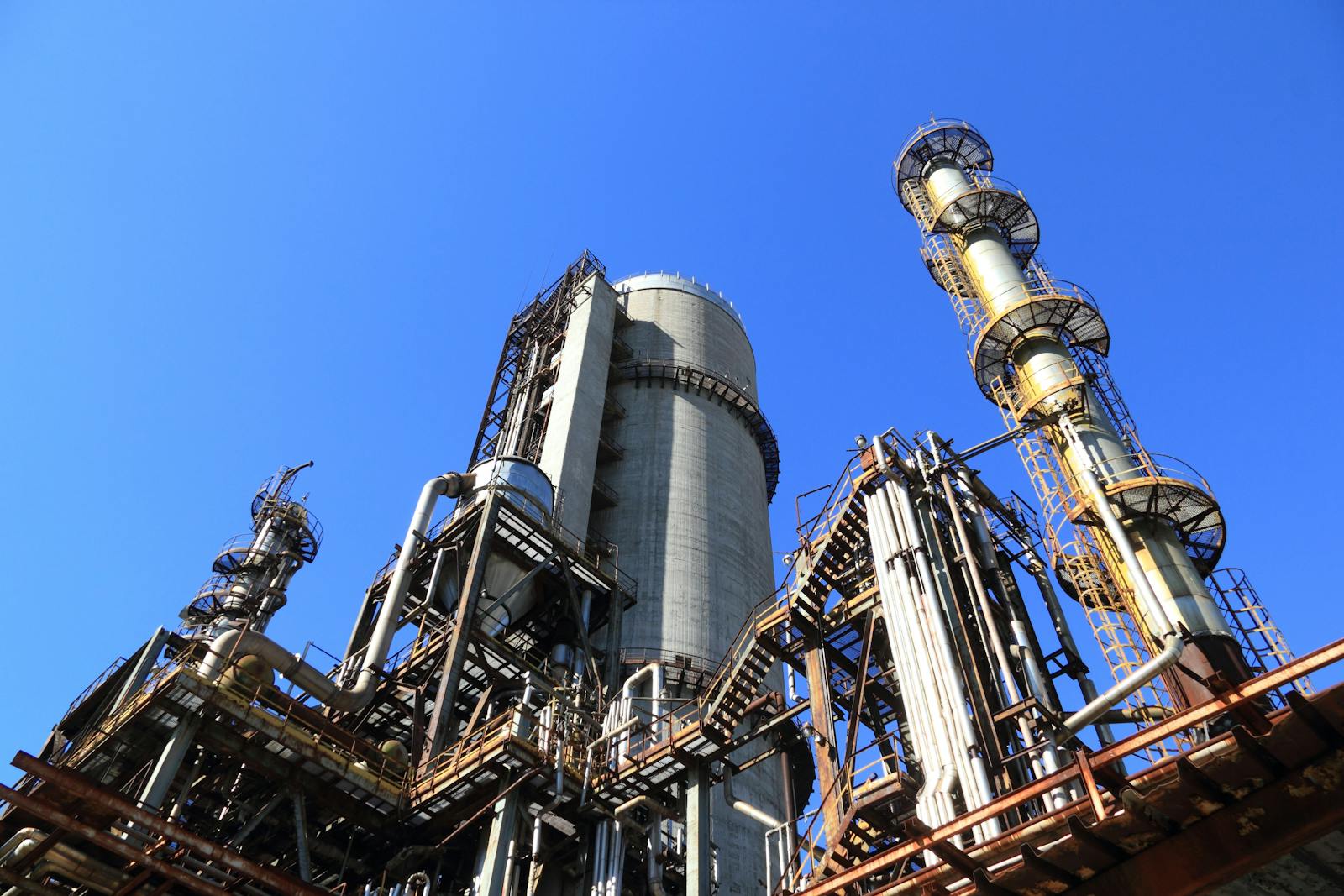
Shell lifted its buyback after stronger refining and LNG results, yet Jefferies estimates trailing distributions at 37% of operating cash flow, below management's 40% to 50% range.
Shell's new $5 billion share buyback is supported by a strong quarter, but it does not yet put shareholder distributions at the top of management's stated range. Jefferies estimated that distributions equaled about 37% of trailing 12-month cash flow from operations, below Shell's 40% to 50% target range.
The gap matters because the headline buyback is larger than the quarterly programs investors had recently expected, while the cash engine behind it remains tied to volatile refining and liquefied natural gas markets. Shell said the new program should be completed before its fourth-quarter results and that repurchased shares will be cancelled.
Third-quarter adjusted earnings were $10.814 billion, up from $9.836 billion in the second quarter and well above $5.432 billion a year earlier. Adjusted EBITDA reached $22.736 billion. The improvement reflected higher refining margins, stronger realized LNG prices and higher integrated-gas volumes, partly offset by weaker oil trading, lower realized liquids prices and additional well write-offs.
Cash generation was strong on several measures. Reported cash flow from operating activities was $21.043 billion and free cash flow was $16.322 billion. The source analysis cited cash flow from operations before working-capital movements of $21.681 billion, a different measure that should not be treated as interchangeable with reported operating cash flow.
The balance sheet also improved. Net debt fell to $39.733 billion from $41.754 billion at the end of the second quarter, and gearing declined to 16.6% from 18.7%. Shell achieved that reduction despite completing its acquisition of ARC Resources and taking on associated debt and leases. Lower leverage gives the company more room to return cash without relying on new borrowing.
Refining and chemicals supplied an important part of the earnings beat. Jefferies noted that chemicals earned $103 million instead of the $49 million loss it had expected, while stronger refining margins supported the products business. Integrated gas earnings also beat consensus as gas and LNG prices improved. Those tailwinds are real, but neither refining margins nor commodity prices should be assumed to remain at third-quarter levels.
Shell expects 2026 cash capital spending of $23 billion to $25 billion, including about $4 billion tied to the ARC transaction. The acquisition should lift integrated-gas production in the fourth quarter, creating another source of cash flow if operations and commodity prices cooperate. It also raises the amount of capital that must earn an adequate return.
The company's official results say it completed $4.2 billion of buybacks announced with second-quarter results. That evidence conflicts with the source article's description of the new program as rising from $3 billion, so the unsupported comparison has not been repeated here.
The $5 billion authorization is therefore a positive signal, not proof that distributions can keep increasing. Shell generated enough cash to lower debt, fund investment and expand the buyback in the third quarter. The next test is whether the payout ratio moves into the 40% to 50% range after refining conditions normalize and the ARC assets begin contributing for a full quarter.