


 Be The Investor Research
Roku's Ad Engine Accelerates as the Fox Deal Limits the Upside Debate
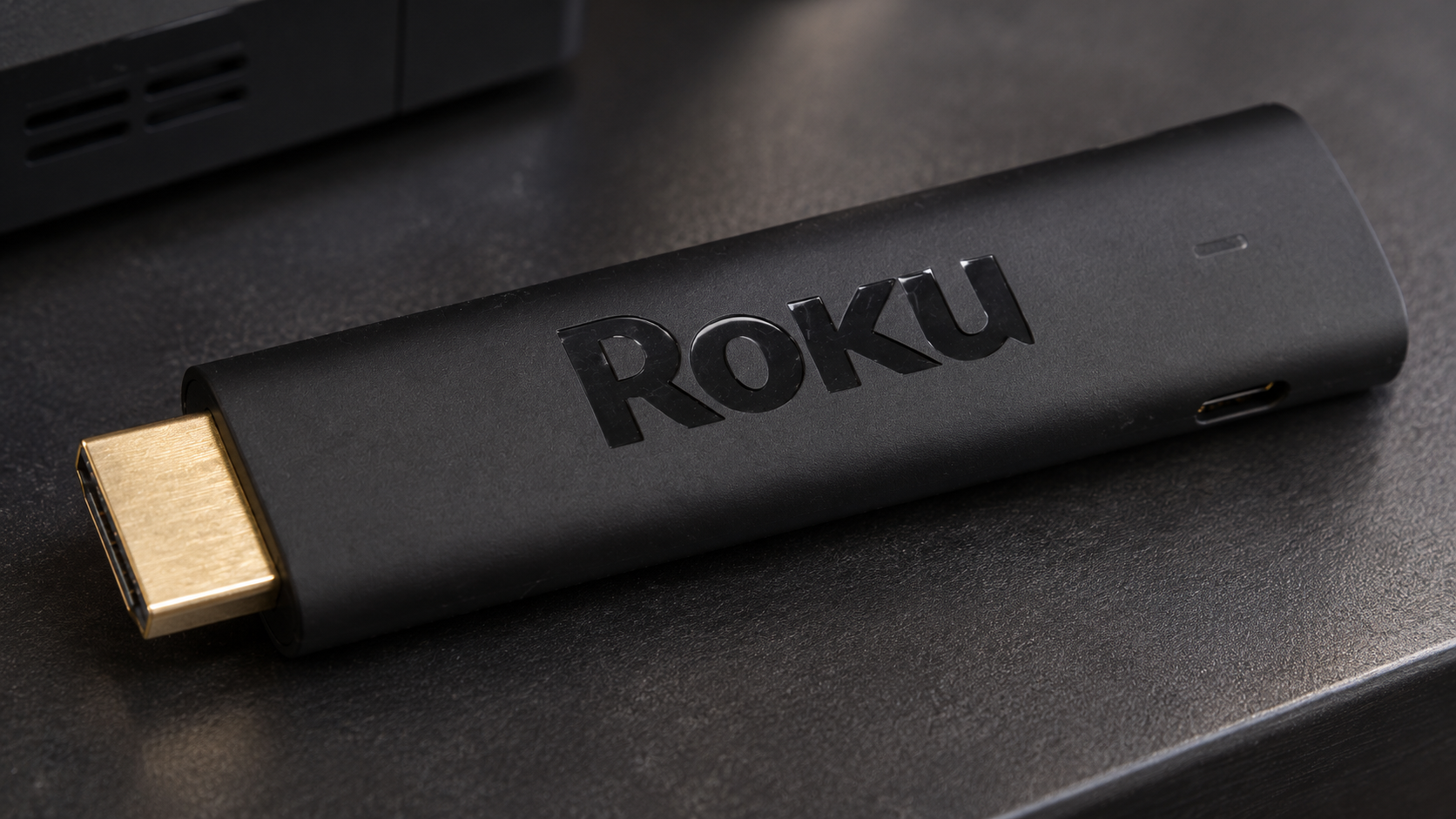
Roku grew third-quarter revenue 24% and nearly doubled trailing free cash flow, but the pending Fox acquisition shifts investor focus from standalone forecasts to deal terms and clearance.
Roku's third-quarter results show a streaming platform becoming more profitable just as a pending acquisition makes its standalone outlook less decisive for shareholders. Revenue rose 24% from a year earlier to $1.502 billion, while net income increased to $183.3 million from $24.8 million.
The platform business drove the improvement. Advertising revenue rose 23% to $727.4 million, and its gross margin expanded 4.7 percentage points to 63.2%. Subscription revenue also increased 23%, reaching $580.9 million, although its gross margin fell 1.8 points to 40.9%. Together, those businesses lifted platform revenue to $1.308 billion and platform gross profit to $697.1 million.
Engagement grew more slowly than monetization. Streaming hours increased 9% to 39.9 billion, while platform revenue rose 23%. That gap suggests Roku generated more revenue per unit of engagement, helped by advertising and subscriptions. The company also said The Roku Channel ranked second by engagement on its platform in the United States and globally.
Hardware told a different story. Devices revenue climbed 33% to $193.7 million, but the segment produced a $48.6 million gross loss and a negative 25.1% gross margin. Roku attributed the pressure in part to higher memory costs. Devices can expand the installed base and feed the platform, but a rapidly growing hardware line still consumes economic value when each sale carries a deep gross loss.
Overall profitability improved despite that drag. Operating income reached $164.1 million, adjusted EBITDA was $248.8 million and trailing-12-month free cash flow rose 80% to $795.7 million. Sales and marketing expense fell 21%, which helped convert platform growth into earnings.
The pending Fox transaction changes how those figures translate into the stock. Fox agreed to pay $96 in cash plus 0.9693 Fox Class A shares for each Roku share. The companies described that as roughly $25 billion of equity value and $22 billion of enterprise value when the deal was announced. The share component has a fixed exchange ratio, so its market value moves with Fox's stock.
The deal is not complete. Roku disclosed that the U.S. Department of Justice issued a second request for information, extending the antitrust review. The companies have said they expect a closing in the first half of 2027, but regulatory clearance, shareholder approvals and other conditions still matter. Roku did not provide financial guidance or hold its usual earnings call while the transaction is pending.
For investors, the quarter strengthens the evidence that Roku's advertising and subscription businesses can scale. It also exposes a persistent hardware subsidy and leaves fewer management forecasts for the period before closing. The key valuation questions are now the changing value of the Fox share consideration, the probability and timing of completion, and Roku's ability to sustain platform margins if the transaction is delayed.
Continue your FOXA research
Image references: · TaurusEmerald (CC BY-SA 4.0)
Frequently asked questions
What is "Roku's Ad Engine Accelerates as the Fox Deal Limits the Upside Debate" about?
Roku grew Q3 revenue 24% and trailing free cash flow 80%, while the pending Fox deal shifts attention to clearance, timing and share consideration.
Which stocks and assets does this article cover?
This article relates to FOXA, FOX.
What is the market context?
Roku's third-quarter results show a streaming platform becoming more profitable just as a pending acquisition makes its standalone outlook less decisive for shareholders. Revenue rose 24% from a year earlier to $1.502 billion, while net income increased to $183.3 million from $24.8 million. The platform business drove the improvement. Advertising revenue rose 23% to $727.4 million, and its gross…