


 Be The Investor Research
REZI Q2 Deep Dive: Lower Guidance and Segment Weakness Offset Solid Product Demand

Resideo Technologies posted solid second-quarter demand and a revenue beat, but sharply lower guidance, OEM security weakness, elevated input costs and margin pressure leave investors focused on execution and recovery prospects.
Resideo Technologies (NYSE: REZI) reported second-quarter CY2026 revenue of $1.98 billion, up 2% year over year and 2.3% above analysts’ $1.94 billion estimate. Adjusted EPS was $0.83, exceeding the $0.68 consensus by 23%. Adjusted EBITDA was $181 million, below expectations of $207 million, representing a 12.6% miss and a 9.1% margin. CEO Thomas Surran said Resideo exceeded the high end of its second-quarter outlook for every consolidated and business-segment metric. Revenue increased across substantially all sales channels and product families, driven primarily by customer-demand volume. However, operational improvements were partly offset by inflationary input costs and legal settlement expenses. Operating margin declined to 6.6% from 9.1% in the year-ago quarter, underscoring continued profitability pressure. Resideo’s market capitalization is $3.91 billion. The outlook is considerably weaker. Resideo reduced full-year revenue guidance to $2.93 billion at the midpoint from $7.85 billion, a 62.7% decrease. Full-year EBITDA guidance is $615 million. Next-quarter revenue guidance of $717.5 million was 63.4% below analyst estimates. Management expects continued weakness in the OEM security channel. A major OEM security customer’s move toward vertical integration is expected to reduce second-half revenue by $40 million to $50 million, and Resideo does not anticipate a near-term reversal. Elevated costs for semiconductors, metals and printed circuit boards are also expected to pressure gross margins. Recent price increases are offsetting part of the impact, but broader profitability recovery depends on improved supply conditions and further manufacturing optimization. New products represent the principal catalyst. Resideo expects its smoke and carbon monoxide detector platform and enhanced video surveillance products to support revenue and improve margin mix, particularly in the American market, while expanding its branded portfolio. Investors should monitor product adoption, facility consolidations and other operational initiatives, OEM security revenue, and input-cost trends. Shares traded at $21.82, down from $25.74 before the earnings release.
Continue your REZI research
Related News

Snowflake's Downside Risk Is About Margin and Financing, Not History
Snowflake's past drawdowns show volatility, not destiny. Its stronger growth, lower GAAP losses and new convertible notes make product margin, cash conversion and dilution the more useful measures of downside risk.
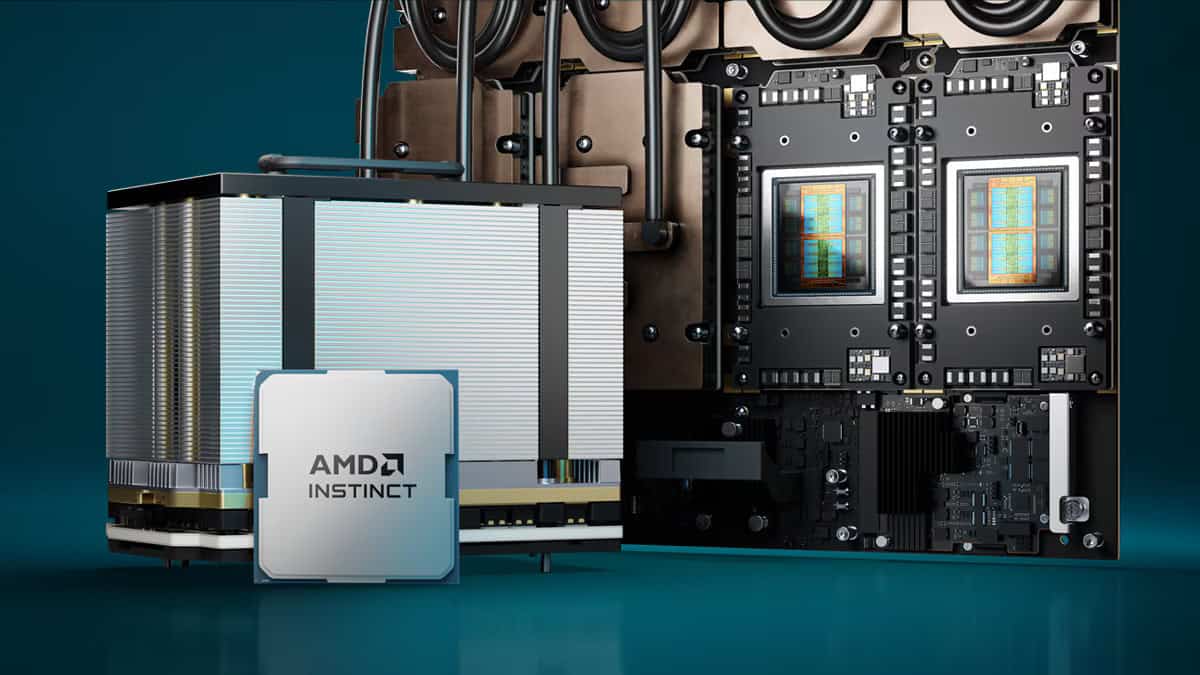
AMD's Valuation Leaves Little Room for a Slow Helios Ramp
AMD's data-center revenue more than doubled, but a third-party model sees little near-term upside after the stock's surge. Helios deployments, gross margin and customer timing now matter more than another ambitious price target.
Intel's Server CPU Rally Now Depends on Factory Execution
New Street upgraded Intel on a multiyear server CPU shortage, while Intel's own results show data-center growth and new capacity. The thesis still requires higher output, reliable yields and profitable use of expensive factories.

SoFi's Valuation Case Requires More Than Member Growth
A bullish SoFi model assumes years of fast revenue growth and wider margins. The operating trend supports part of that case, but rate exposure, credit and the chosen earnings multiple still drive the outcome.
SoFi's Q3 Test Is Loan Valuation, Not Just an EPS Beat
SoFi enters its October 27 report with strong growth and a $0.60 adjusted EPS target, but loan valuations, credit trends and the durability of fee income will decide whether its lower multiple is justified.

Viasat's FCC Petition Adds a Spectrum Test for AST SpaceMobile
Viasat asked the FCC to reject part of AST SpaceMobile's overseas spectrum request, citing interference and rule conflicts. No ruling has been issued, and AST's broader partner-spectrum model remains intact but approval-dependent.
JNJ-6143 Delivers Early Tumor Responses, but Proof Is Still Ahead

Johnson & Johnson's experimental prostate-cancer pill JNJ-6143 produced tumor responses in a small Phase 1 study, giving the company an encouraging first clinical readout on technology it acquired with Halda Therapeutics. The result is meaningful for the pipeline, but the study is too early and too small to establish a commercial outcome.
Among 16 patients with measurable disease, 12, or 75%, had a confirmed complete or partial response. That corrects a lower 69% figure in the secondary source. In the 50-milligram once-daily cohort, 77% of 38 patients had a confirmed decline of at least 50% in prostate-specific antigen, and 48% had a decline of at least 90%. PSA is a blood marker used to monitor prostate cancer, while imaging response measures visible tumors, so the two endpoints should not be treated as interchangeable.
The patients had advanced disease that had progressed after prior treatment and had received a median of four previous therapies, including chemotherapy and PSMA-targeted radioligand therapy. At a median follow-up of 5.6 months, 71% of patients on the 50-milligram dose remained on treatment. The most common treatment-related adverse events were elevated cholesterol at 18%, nausea at 16% and elevated triglycerides at 16%. Four patients interrupted dosing, one reduced the dose and one discontinued because of adverse events.
JNJ-6143 is an oral RIPTAC molecule designed to bring together BRD4, a protein needed for cell survival, and the androgen receptor, which is highly expressed in prostate-cancer cells. That targeted interaction is intended to disrupt cancer-cell function and trigger cell death. Johnson & Johnson selected 50 milligrams once daily for further development and plans a Phase 2 study in metastatic prostate cancer.
The program came from Johnson & Johnson's $3.05 billion cash acquisition of Halda Therapeutics, completed in December 2025. That price covered the RIPTAC platform as well as JNJ-6143 and earlier candidates in other solid tumors, so the Phase 1 readout is an initial test of a broader technology bet rather than a standalone asset valuation.
The next evidence will matter more than the headline response rate. Phase 1 trials primarily establish dose, safety and early activity; they lack the size and comparative design needed to show whether a drug improves survival or outperforms existing care. Investors should watch durability, outcomes in a larger population, safety with longer exposure and whether the Phase 2 study confirms activity across difficult molecular subgroups. For now, JNJ-6143 strengthens the oncology pipeline without materially changing near-term earnings.
Dollar General Pricing Lawsuit Tests Its Low-Cost Promise

Dollar General faces a federal lawsuit that goes directly to its low-price promise. The Federal Trade Commission and 20 states allege that the retailer repeatedly charged customers more at checkout than the prices displayed on shelves, price tags and advertisements, even after thousands of complaints and failed price inspections put the company on notice.
The complaint is unusually specific. The FTC says Dollar General received more than 29,000 price-honoring complaints from January 2023 through March 2026. Undercover investigators made purchases at stores in Ohio, Pennsylvania, Missouri and Maryland from January through April 2026, and the agency alleges that every purchase included overcharges. At one Ohio store on January 16, 13 of 58 items allegedly rang up at prices different from their labels or shelf displays.
The FTC also argues that Dollar General's checkout screens move too quickly for customers to identify discrepancies before paying. The federal agency and the participating states claim the conduct violated the FTC Act, the Gramm-Leach-Bliley Act and state laws. Those are allegations in a newly filed case, not judicial findings. Dollar General had not responded to requests for comment from Retail Dive or Reuters when their reports were published.
The case raises more than a one-time legal-cost question. Price accuracy depends on store-level labor, inventory systems and the speed at which shelf labels are updated. If the allegations are proved, a durable fix could require tighter controls across a chain built around a broad rural footprint and frequent price changes. That could mean additional operating expense, closer regulatory oversight and restitution or penalties, although the complaint does not establish the final amount or remedy.
The enforcement risk also has precedent. Reuters reported that Dollar General has paid about $6 million in settlements with six states since 2019 over pricing issues. The new action is broader because the FTC is joined by 20 states and alleges that the company failed to correct known problems over several years.
Dollar General entered the dispute with business momentum: second-quarter net sales rose 5.2% from a year earlier to $11.3 billion. Its dense network in smaller communities remains a competitive advantage, but it also makes execution at individual stores central to the investment case. The lawsuit now creates a measurable test of whether management can protect that value proposition while improving price accuracy. Investors should separate the strength of recent sales from the unresolved cost and reputational consequences of the case.
iPhone Duo Waits Near Three Months as Pro Supply Eases

Apple's iPhone Duo remains the outlier in its new-phone lineup: buyers were facing an average global shipping wait of 79 days on October 26, while supply for the iPhone 18 Pro was moving much closer to normal. The contrast matters because it points to a constraint concentrated in Apple's first foldable phone rather than a shortage across the entire iPhone family.
Bank of America tracking cited by Proactive showed a particularly wide gap between sales channels in the United States. Carrier websites quoted an average Duo wait of 57 days, up from 50 days a week earlier, while Apple's own website showed 91 days across storage options and colors. International estimates still pointed to January 22, 2027. Channel allocation could explain part of the difference, so the figures should not be treated as a clean measure of underlying orders.
The 91-day Apple Store wait is also consistent with a separate Navi estimate reported by The Wall Street Journal, which put the U.S. online delay at 92 days earlier in launch week. Apple began broad availability for the Duo on October 23, and the Journal reported limited walk-in inventory in several markets. Apple said the phone would reach another 28 countries and regions on October 30, adding a new demand and distribution test while initial supply remains tight.
The rest of the lineup tells a different story. Global lead time for the iPhone 18 Pro fell to four days from eight in the previous week and has shortened by 10 days since tracking began. The Pro Max remained at 15 days, three days below its first-week reading. In China, the Pro fell to one day from four, the Pro Max stayed at 15 days, and the Duo still required about 88 days.
Apple's store-pickup data offered another sign that Duo supply had not caught up. Pickup options reappeared on October 24, but the tracking found no stores with available slots. That is evidence of scarcity at the time of the check, not proof of how many phones Apple sold or how much revenue the model will add.
For investors, the useful signal is the separation between the Duo and the Pro models. A prolonged Duo backlog could support premium-product momentum, but it could also reflect limited manufacturing volume for a new form factor. Revenue implications will become clearer only when Apple reports unit economics, product-mix commentary or a sustained improvement in availability. Until then, delivery times show where inventory is tight, not why it is tight.
TeraWulf's Tenant-First Case Meets a $3 Billion Capital Test
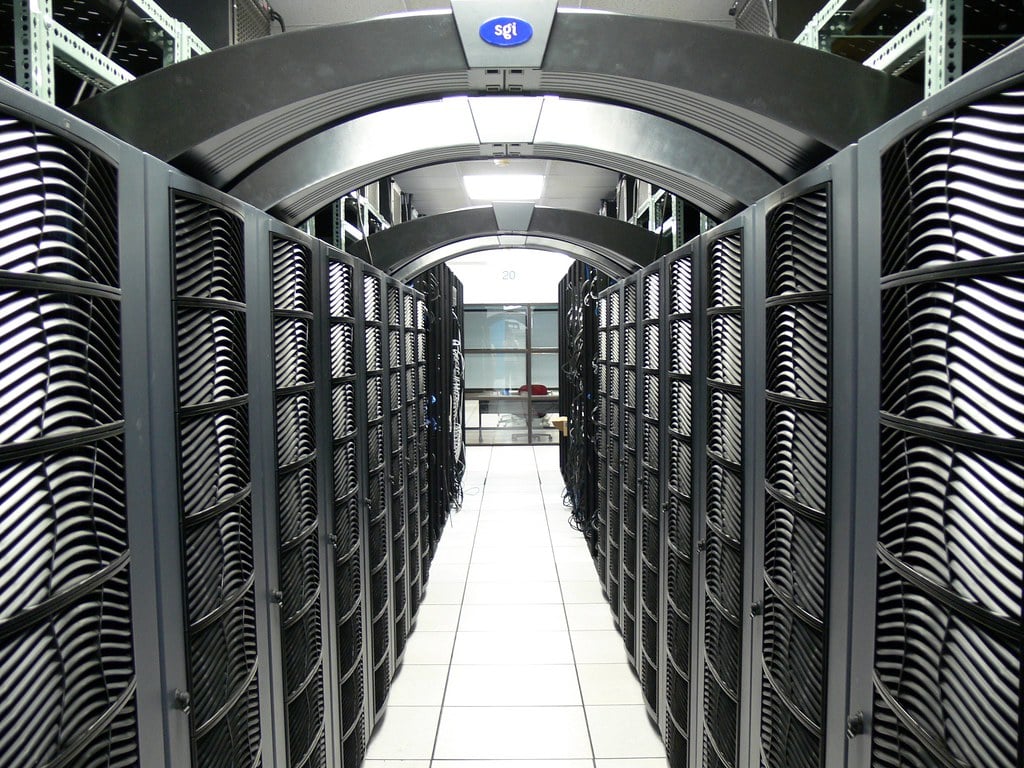
TeraWulf's answer to fears of stranded artificial-intelligence data centers is simple: it says major construction follows power, customers and financing rather than speculative demand. The claim is testable because the company is already shifting from bitcoin mining to high-performance-computing leases while committing substantial capital to new campuses.
Chief Executive Paul Prager pushed back on the idea that partially developed sites are stranded assets, describing them instead as a pipeline. The sequencing matters. TeraWulf says it secures power and interconnection, fixed-price construction arrangements, long-term tenants with strong backing and project financing before completing a facility. Early site work can still occur before every building is finished, so investors need to distinguish prepared land from fully funded, contracted capacity.
The second quarter showed that the transition has begun. TeraWulf reported $44.8 million of revenue, including $31.9 million from high-performance-computing leases. HPC therefore represented about 71% of quarterly revenue. That is a meaningful change from June 2025, when the company had not yet started HPC leasing operations.
The balance sheet gives TeraWulf resources, but the composition matters. It ended June with approximately $3.0 billion of cash and restricted cash. Restricted cash is not freely available for every corporate purpose, so the combined figure should not be read as unrestricted liquidity. The company also reported $56.4 million of second-quarter interest expense, up from $4.0 million a year earlier, largely because of secured and convertible notes issued in 2025.
The capital intensity is visible elsewhere. TeraWulf capitalized $32.7 million of interest during the quarter, recorded $21.2 million of depreciation and recognized $83.9 million of stock-based compensation. These figures do not prove that a project will fail, but they show why contracted revenue, financing terms and delivery schedules matter as much as headline megawatts.
The long-term opportunity is substantial. Company materials say 401 megawatts of critical IT capacity at the Justified Data Campus were leased to Anthropic in July 2026, with about $19 billion of contracted cash flows over an initial 20-year term and two five-year extension options. Contracted cash flow is not the same as profit or cash already received. Construction, financing, operating costs and customer performance determine how much value ultimately reaches shareholders.
Investors should evaluate the tenant-first argument project by project. Useful evidence includes final financing, fixed-price construction coverage, energization dates, tenant credit support and the start of lease revenue. TeraWulf's second-quarter HPC mix shows that conversion is underway, while the rise in interest expense shows the cost of getting there. The strongest rebuttal to stranded-asset concerns will be completed capacity producing contracted cash, not an early share-price rebound.
Shopify's 34% Growth Still Leaves Little Room for Valuation Error

Shopify's second-quarter performance explains why investors continue to pay a high price for its shares. Revenue grew 34% from a year earlier, or 33% in constant currency, while free cash flow margin reached 18%. Growth above 30% across gross merchandise volume, revenue, gross profit and free cash flow shows that the business is expanding on several fronts at once.
The valuation still demands more than a strong quarter. The original analysis put Shopify at about 80 times forward earnings, close to its three-year average of 74 times, and cited a separate estimate of 112 times operating profit. Those are dated market measures and depend on the provider's definitions, but both indicate that investors expect years of rapid earnings growth.
Shopify has already improved its cost structure. The source said operating margin increased from 3.7% in 2023 to 16.4% in 2025, while operating expenses fell to 34.0% of revenue in the second quarter of 2026 from 37.7% a year earlier. Normalized earnings per share roughly doubled from 2023 to 2025, according to the analysis. That history suggests the stock's advance was supported by profit growth, not only a higher multiple.
Artificial-intelligence commerce is the next part of the thesis. Management has said orders attributed to AI search were roughly 15 times their January 2025 level. Shopify can make its merchants' catalogs available to shopping agents, turning a new interface into another source of orders. The opportunity is meaningful if agents broaden merchant reach without weakening Shopify's economics.
The cost side needs equal attention. Subscription gross margin fell to 79.7% in the second quarter from 81.6% a year earlier. The source attributed part of the decline to a $37 million increase in cloud and infrastructure costs, including AI usage, with merchant use of Shopify's Sidekick assistant flowing largely through that expense line. Payments are also growing faster than subscriptions and carry lower margins, which can make revenue growth outpace earnings growth.
That tension is visible in outside forecasts. The source said analysts had raised their 2027 revenue estimate by 15% over the prior year but increased the 2027 earnings-per-share estimate by only 2%. Consensus estimates can change, yet the gap captures the central risk: more commerce does not automatically create proportionate profit when payments mix and AI infrastructure costs rise.
Shopify's next report is scheduled for November 3. Management has guided to revenue growth in the low 30% range and gross-profit growth in the mid-to-high 20% range. Investors should compare those measures with free cash flow margin, subscription gross margin and evidence that AI-originated orders are incremental. At a premium valuation, Shopify needs growth and operating leverage to advance together.
Latest comments