


 Be The Investor Research
Redwire's Drone Order Tests Its Ability to Scale
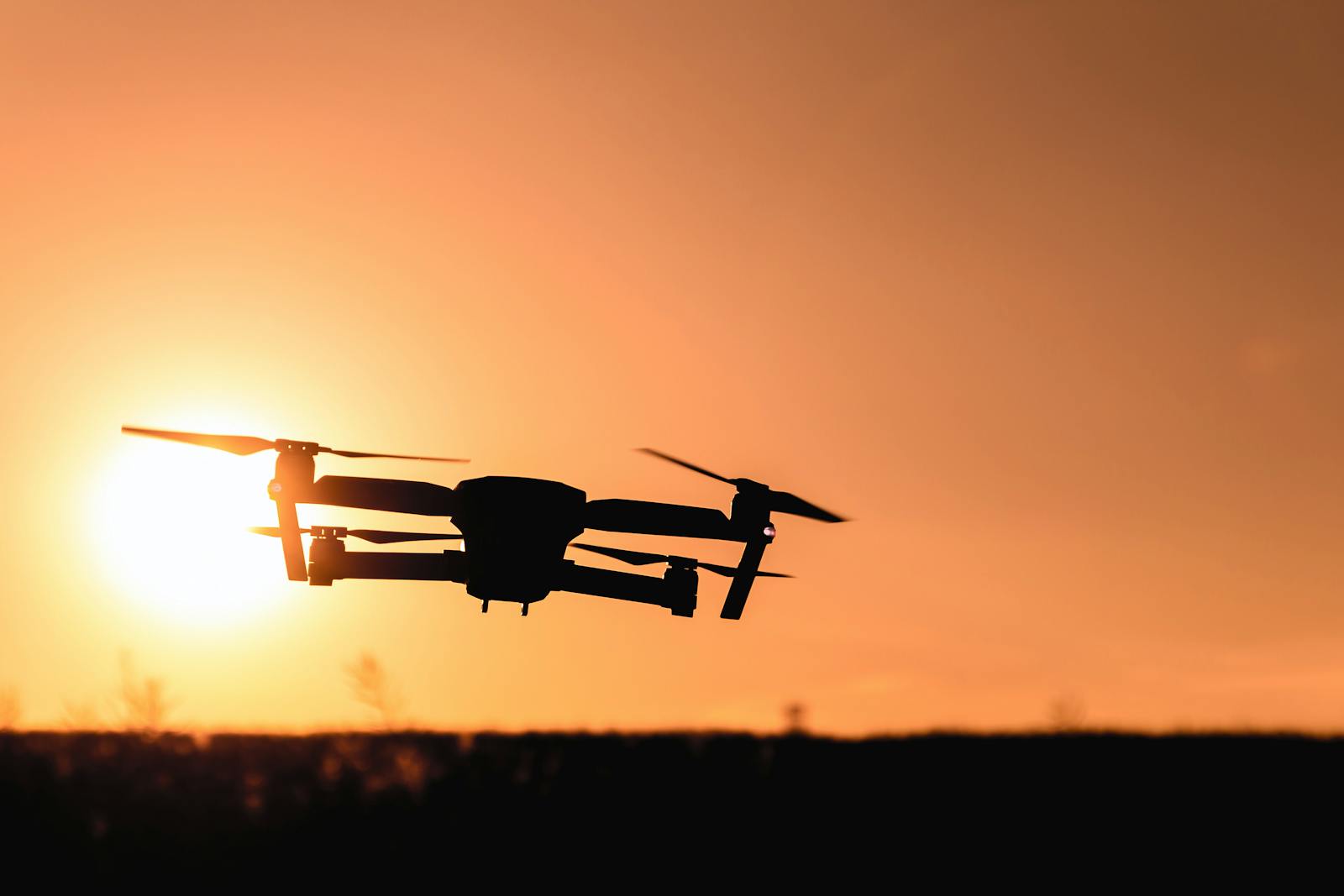
A $13.8 million National Guard order supports Redwire's drone strategy, but investors still need proof that rapid product updates and factory expansion can produce sustained profits.
Redwire's $13.8 million order to supply Stalker uncrewed aircraft to the U.S. National Guard is modest beside the company's $542.1 million second-quarter backlog, but it supports a larger strategic claim: military drone demand increasingly rewards systems that can be updated as quickly as battlefield tactics change.
The order will place Group 2 Stalker aircraft at training sites including Camp Shelby in Mississippi and Fort Indiantown Gap in Pennsylvania. Redwire said National Guard instructors will use the systems to train soldiers in complex flight operations, field maintenance and multi-mission payload deployment. The curriculum supports the Army's new 15X Tactical UAS Specialist role, which combines operating and maintaining drones instead of separating those jobs.
That training role is important because it can put Redwire's hardware into the operating routines of future Army units. It does not guarantee a follow-on procurement program, however. The company described the awards as purchase orders worth approximately $13.8 million and did not disclose aircraft quantities, delivery timing or expected margins.
Redwire Co-President and Chief Growth Officer Josh Stinson framed adaptability as the product's core advantage in an NYSE interview cited by Stocktwits. He said the Stalker platform has evolved through many iterations since its first Defense Department delivery in 2006, including changes for extreme temperatures and contested environments. He also said Redwire has delivered more than 300 Penguin aircraft for use in Ukraine, where a tactic that worked weeks earlier may already be obsolete. That figure came from management and was not broken out by customer, contract value or period.
The financial context makes execution more important than the headline order. Redwire reported second-quarter revenue of $117.1 million, up 89.6% from a year earlier, and a record 27.8% gross margin. Contracted backlog reached $542.1 million, while adjusted EBITDA remained negative at $3.2 million and the reported net loss was $41.0 million. Management reaffirmed full-year revenue guidance of $450 million to $500 million.
At roughly 2.5% of the June backlog, the National Guard order is evidence of demand, not a company-changing award. Its greater value may be in standardization. If soldiers learn to operate and maintain Stalker systems during training, Redwire could be better positioned for later unit-level orders, payload upgrades and maintenance work. Investors still need evidence that those opportunities convert into funded contracts and positive operating profit.
Capacity is another part of the test. Stinson said Redwire is expanding its Huntsville, Alabama, facility from 68,000 to 164,000 square feet, alongside production sites in California, Michigan and Latvia. Additional floor space can support higher output, but it also raises the cost of carrying capacity if orders arrive more slowly than expected.
The near-term question is therefore not whether drone demand exists. Redwire's orders, backlog and Ukraine experience all support that case. The question is whether a company still reporting losses can turn rapid product iteration and a wider manufacturing footprint into repeatable deliveries, stronger margins and cash generation.