


 Be The Investor Research
D-Wave's $27 Target Depends on Converting Bookings Into Revenue
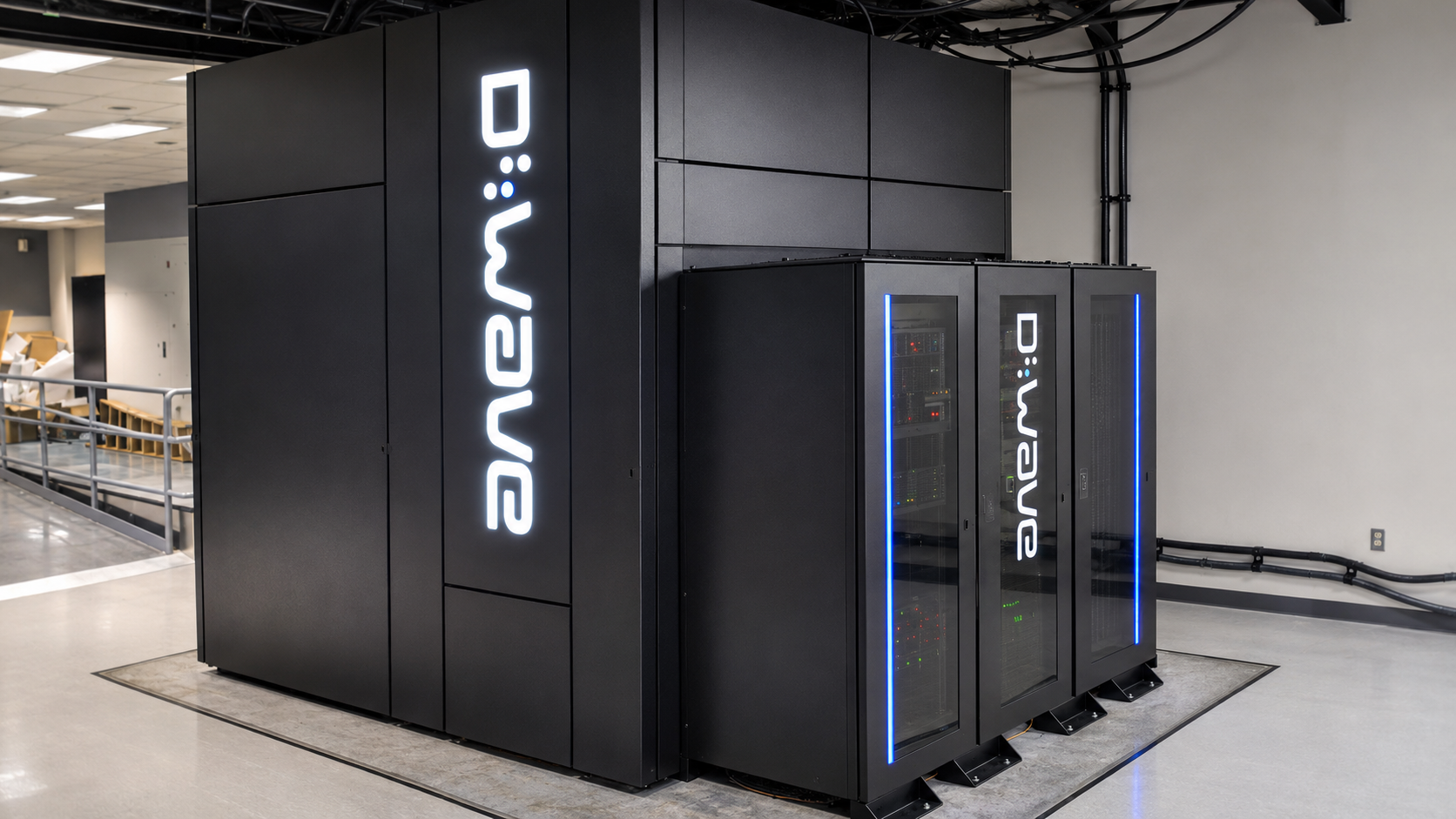
D-Wave's bookings and contract backlog surged, but second-quarter revenue remained only $3.1 million and operating costs expanded. The bullish target requires large system sales to convert on schedule.
B. Riley cut its D-Wave Quantum price target to $27 from $40 while keeping a Buy rating. The reduced target still implies substantial upside from the price cited in the source, but the valuation rests on a sharp revenue ramp that has not yet appeared in reported results.
Second-quarter revenue was $3.1 million, essentially unchanged from a year earlier. Revenue for the first half of 2026 fell to $5.9 million from $18.1 million because the prior-year period included a $13.7 million system sale. That comparison shows how a small number of hardware transactions can dominate D-Wave's results.
Forward indicators were much stronger. First-half bookings increased to $35.5 million from $2.9 million, including a $20 million system order that had not yet been recognized as revenue. Remaining performance obligations reached $40.7 million, and D-Wave expected about 57% of that amount to convert within 12 months.
The problem is timing and cost. First-half GAAP operating expenses rose to $111.5 million from $53.6 million, partly because of the Quantum Circuits acquisition and higher staffing, stock compensation and fabrication costs. Adjusted EBITDA loss widened to $69.9 million. Those figures make the conversion of signed business into revenue and cash more important than headline bookings alone.
A securities class action mentioned in the original report contains allegations, not findings. It should be evaluated as legal risk rather than treated as proof of misconduct.
The investment case therefore turns on two measurable questions. First, can D-Wave recognize its announced system orders within the expected periods? Second, can the company grow recurring quantum-computing services while limiting the cost needed to develop and sell its technology? A price target cannot answer either question. The next earnings release needs to show that backlog is becoming revenue, not merely that the opportunity remains large.
The company's third-quarter report is scheduled for November 10. That release should clarify whether the $20 million system order has begun to convert and whether new bookings are keeping pace with the spending required to deliver them.
Image references: · Nick Bonifas (Public domain)