



PepsiCo Turns Protein and Fiber Into a Portfolio Strategy
PepsiCo is extending familiar brands into protein, fiber and hydration products. The strategy broadens consumer choice without replacing core snacks, but its value depends on repeat demand and profitable execution.
PepsiCo is turning protein, fiber and hydration from niche product attributes into a broader portfolio strategy. The company is adding those benefits to familiar brands rather than replacing its core snacks and drinks, a choice that could help it follow consumers across more eating occasions without asking them to abandon products they already know.
The clearest example is Doritos Protein. PepsiCo launched the product with 10 grams of protein per one-ounce serving and said a single-serve bag with 17 grams was planned for later in 2026. The first two flavors contain no artificial colors or flavors. PepsiCo has also introduced Doritos NKD, which removes artificial colors and ingredients, giving shoppers a different kind of choice under the same brand.
Propel Clear Protein pushes the idea further. The ready-to-mix powder contains 20 grams of protein, 3 grams of fiber and electrolytes in a zero-sugar, 90-calorie serving. PepsiCo developed it with registered dietitians and initially emphasized people using GLP-1 medicines, who may eat less while still needing protein, fiber and hydration. Sarita Porbandarwala, PepsiCo's senior director of research and development life sciences, told a Food Dive event that the company later saw relevance for older adults and other consumers with similar nutritional needs.
The approach reflects an important distinction in PepsiCo's strategy. Management is not presenting functional products as a wholesale replacement for conventional Doritos, Propel or other established offerings. It is adding variants for different preferences, which may change by person or even by time of day. That increases the number of ways PepsiCo can compete, but it also increases formulation, manufacturing and shelf-space complexity.
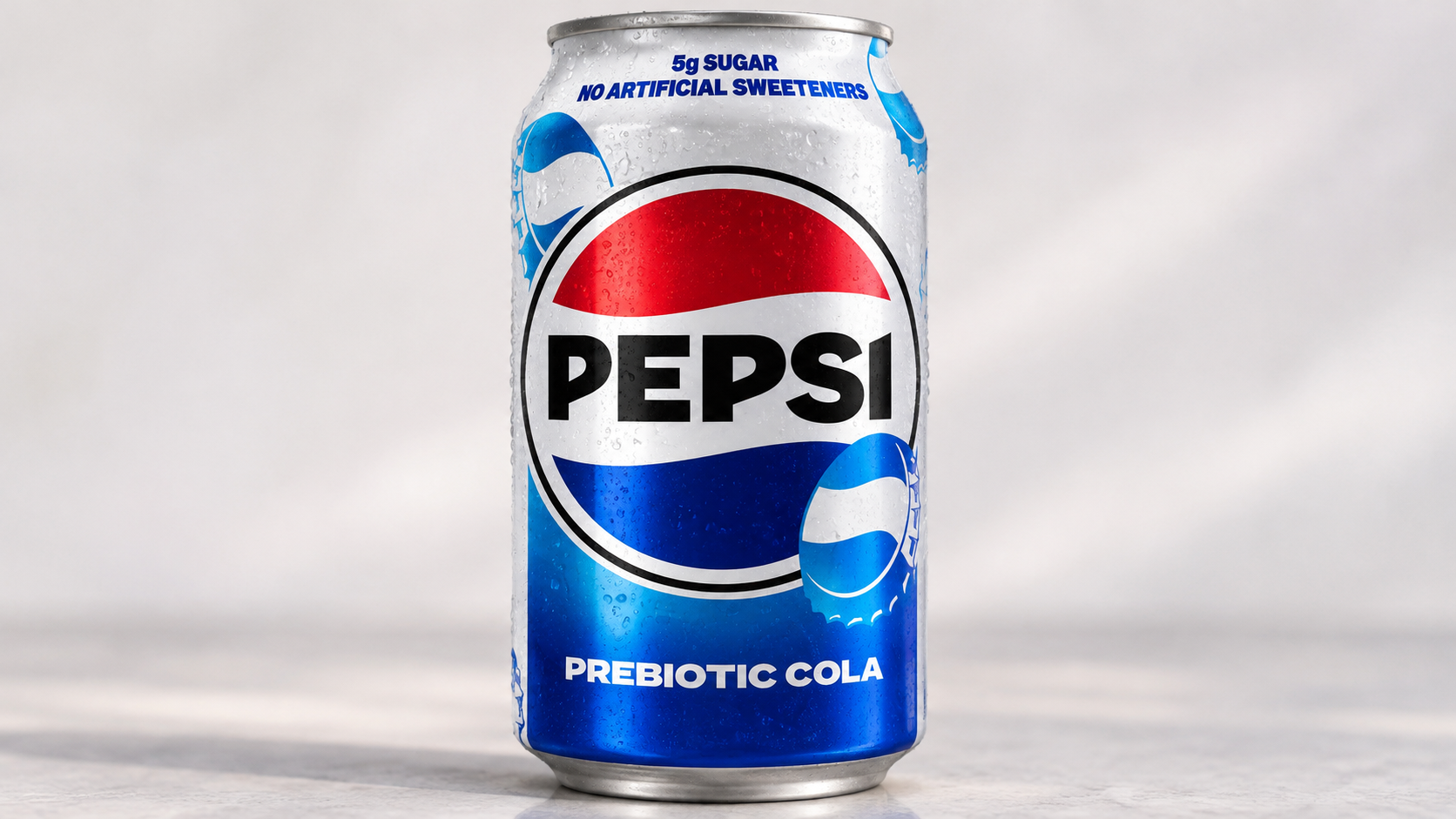
Company materials show the same pattern across the portfolio. PepsiCo has highlighted products tied to fiber, protein, whole grains, hydration and energy, including Smartfood Fiber Pop, SunChips whole-grain products, Quaker protein offerings and Pepsi Prebiotic Cola. These examples support the view that the strategy is wider than one launch or one brand.
The commercial test is harder than the product story. Food Dive reported that PepsiCo has faced weaker consumer spending in North America, is seeking cost reductions in the region and plans some chip price increases to offset higher energy and agricultural costs. New products can support mix and relevance, but only if trial converts into repeat purchases without adding more cost than the extra revenue and margin can absorb.
Investors should therefore separate three questions. First, do shoppers buy functional versions after the launch period? Second, do the products attract new spending rather than shift sales from another PepsiCo item? Third, can PepsiCo scale the added complexity while its North American business is already under pressure? Protein and fiber may be durable consumer needs, but durable demand for the nutrients does not automatically guarantee durable economics for every product built around them.
Image references: · PEP factual product/event reference (Reference copyright retained by its owner; factual visual research, no CC grant claimed.)
Frequently asked questions
What is "PepsiCo Turns Protein and Fiber Into a Portfolio Strategy" about?
PepsiCo is adding protein, fiber and hydration to familiar brands. The investor test is whether repeat demand offsets added complexity and cost.
What is the market context?
PepsiCo is turning protein, fiber and hydration from niche product attributes into a broader portfolio strategy. The company is adding those benefits to familiar brands rather than replacing its core snacks and drinks, a choice that could help it follow consumers across more eating occasions without asking them to abandon products they already know. The clearest example is Doritos Protein.…
When was this article published?
It was published on 04 / 11 / 2026 by Be The Investor Research.