



Paychex's Dividend Softens, but Does Not Erase, Its Return Gap
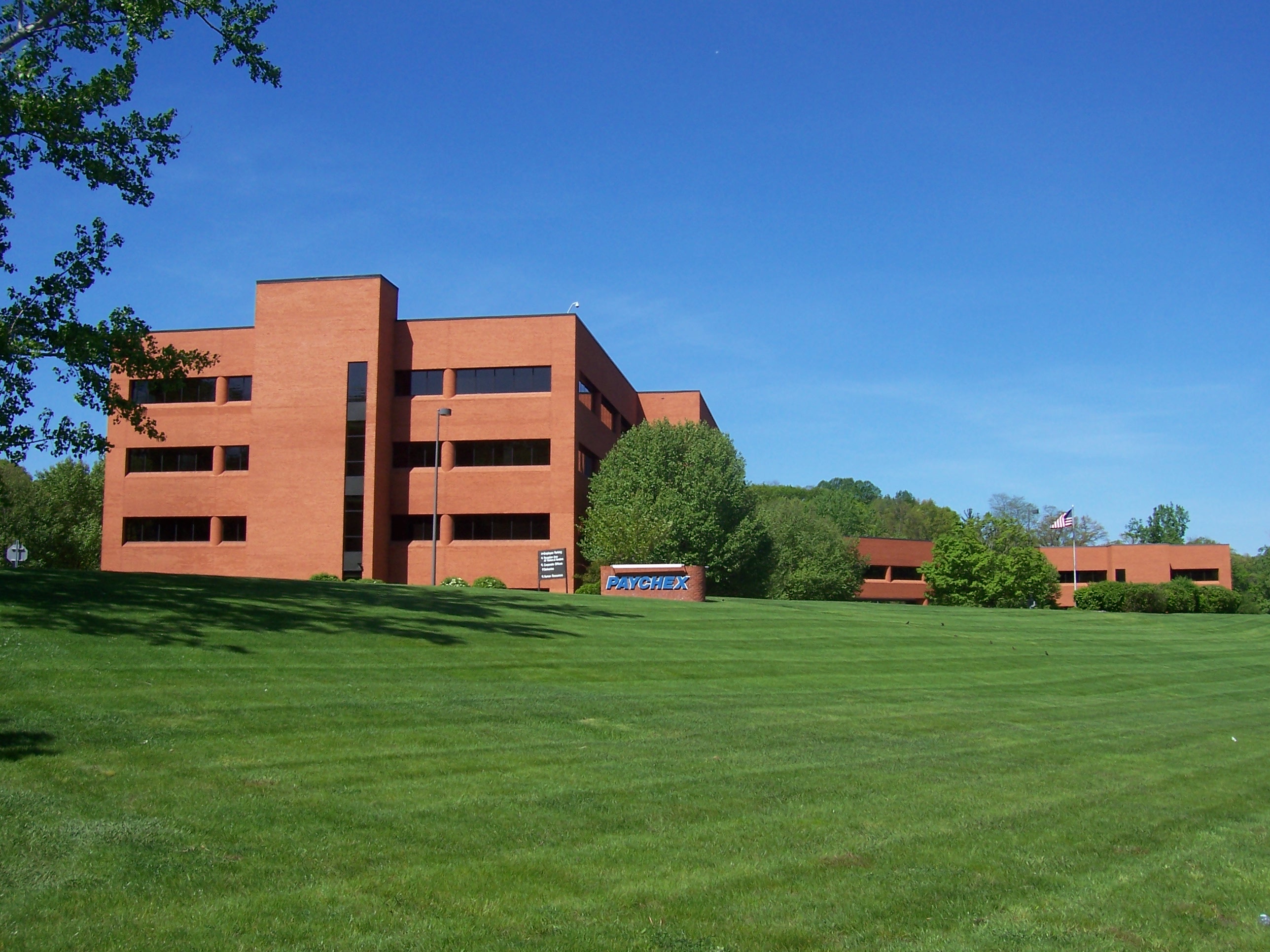
Paychex's dividend turned a five-year price loss into a small gain, but total return still trailed the S&P 500 sharply. Strong quarterly cash flow supports the payout, not automatic market-beating returns.
Paychex offered a 4.2% dividend yield at the October 29, 2026 close, but its recent total return shows why a dividend cannot be judged in isolation. Trefis calculated that the payroll and human-resources provider returned 5.4% over the five years through October 29, 2026 with dividends reinvested, while the SPDR S&P 500 ETF returned 80.9%.
The gap was not caused by a weak distribution. Paychex's share price fell 10.6% over the period, and reinvested dividends added 16.1 percentage points. The dividend turned a price loss into a small positive return. Yet the broad market also paid dividends, leaving Paychex 75.5 percentage points behind on a total-return basis.
That comparison is useful because it separates income from wealth creation. A high yield can support a portfolio's cash flow, but it does not automatically compensate for slower earnings growth, valuation compression or a falling share price. Investors who compare only Paychex's yield with the S&P 500's yield miss the larger opportunity cost.
The operating business remains profitable and cash-generative. For the fiscal first quarter ended August 31, 2026, Paychex reported $1.63 billion of revenue, up from $1.54 billion a year earlier. Net income rose to $429.7 million from $383.8 million, and diluted earnings per share increased 14% to $1.21.
Paychex generated $413.5 million of operating cash flow during the quarter. It ended August with $600.9 million of cash, $55 million of restricted cash and $333.3 million of corporate investments. The company also had $4.6 billion of long-term borrowings and $2.0 billion of unused capacity under its unsecured credit facilities.
Those figures show why the dividend is different from an unsupported high-yield promise. Management said current liquidity, projected operating cash flow and available financing should support operations, capital investment, share repurchases, dividends and debt service for the foreseeable future. Still, the dividend depends on future earnings and cash generation, not merely the company's history of quarterly payments.
Ticker accuracy matters here. Paychex trades under PAYX, not PAYC, which is Paycom Software. The two companies both sell payroll and human-capital software, but they are separate issuers with different financial profiles.
For income-focused investors, the right question is not whether Paychex pays a meaningful dividend. It clearly does. The question is whether earnings growth and valuation can improve enough for that dividend to accompany competitive total returns. The last five years show that income softened the damage but did not close the gap with the market.