


 Be The Investor Research
Chipmakers' Next Capacity Constraint May Be Water
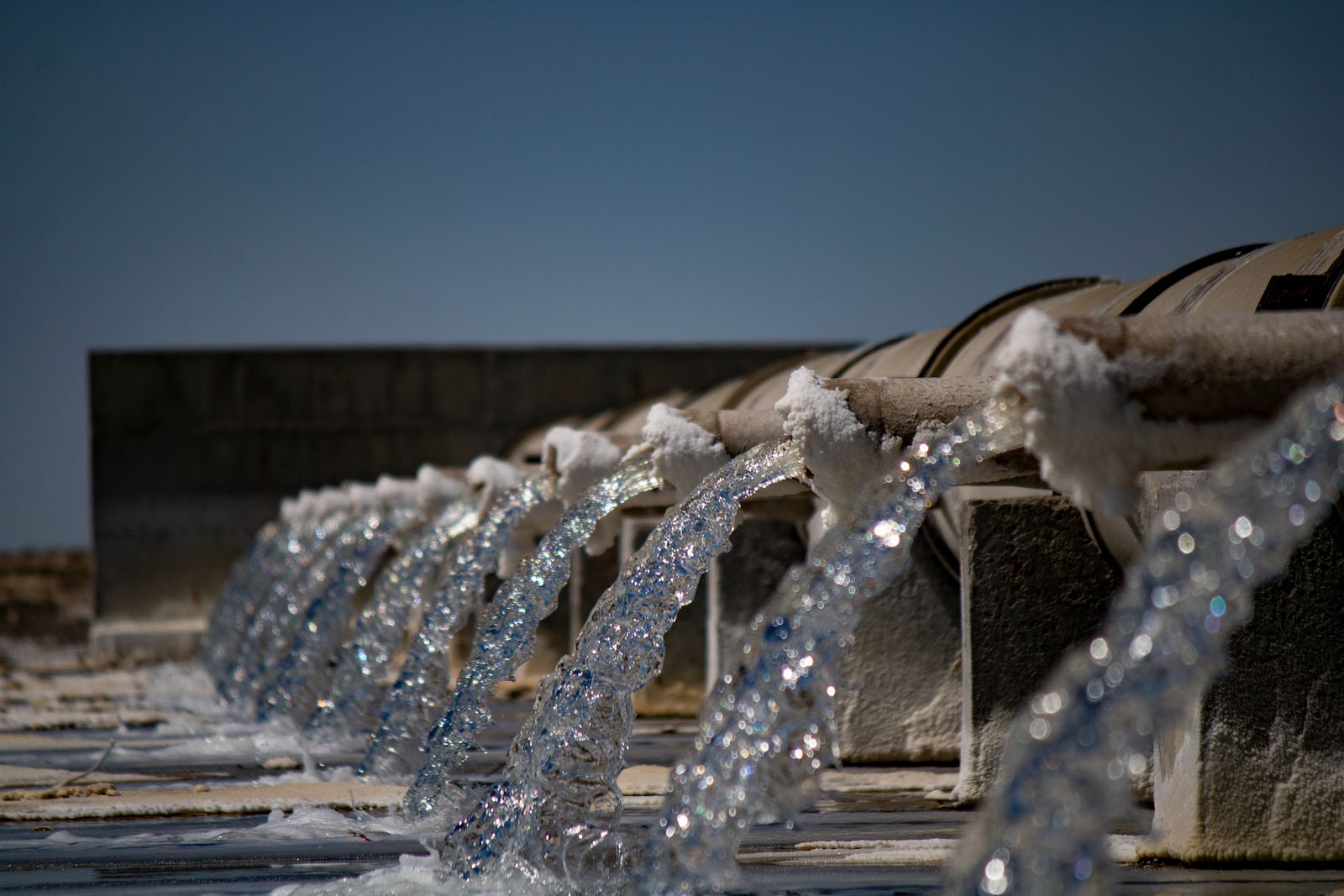
Semiconductor water withdrawals could rise from about 260 billion gallons annually to as much as 455 billion by 2030. With 40% of fabs in stressed watersheds, reuse infrastructure is becoming an operating requirement.
The semiconductor industry's AI expansion depends on a resource that receives less attention than electricity: large, reliable supplies of extremely pure water.
AllianceBernstein estimates that global semiconductor water withdrawals could rise from roughly 260 billion gallons a year to 390 billion to 455 billion by 2030, then double by the mid-2030s. About 40% of existing fabrication plants sit in watersheds that already experience or are vulnerable to severe water stress.
Chip fabrication uses ultra-pure water to clean wafers during repeated production steps. Municipal supply may be insufficient during droughts, and contamination can affect yield. The risk is local, so a global withdrawal total cannot show whether an individual factory is resilient.
Taiwan's 2021 drought demonstrated the operational exposure. TSMC trucked water to key production centers and imposed conservation measures when the government restricted supply. The company is now developing a 15-acre reclamation plant for its Arizona operations.
Samsung has set a different goal: return water withdrawals to 2021 levels by 2030 while expanding output. Pilot projects at its Giheung and Hwaseong sites aim to reuse 120,000 metric tons of water a day by 2029. Nvidia withdraws less water directly because it outsources manufacturing, but the exposure remains in suppliers such as TSMC and Samsung.
The estimates require caution. Company disclosure methods differ, and the source combines data from company reports, Columbia Business School, PwC and AllianceBernstein. Forecasts for the semiconductor market in 2030 range from at least $1 trillion to $2.7 trillion, illustrating how uncertain the demand base remains.
For investors, the useful questions are site-specific. Does a company have recycling capacity, alternative supply, drought plans and transparent withdrawal data? Are water investments included in capital budgets, and do local communities share the same constrained source?
Water stewardship is not merely an environmental score. Shortages can limit utilization, delay new fabs and raise operating costs. As AI demand pushes production into new regions, reclamation systems and watershed planning may become as important to capacity as equipment deliveries.