



VICI’s Higher Yield Comes With Two Tenants Paying 70% of Rent
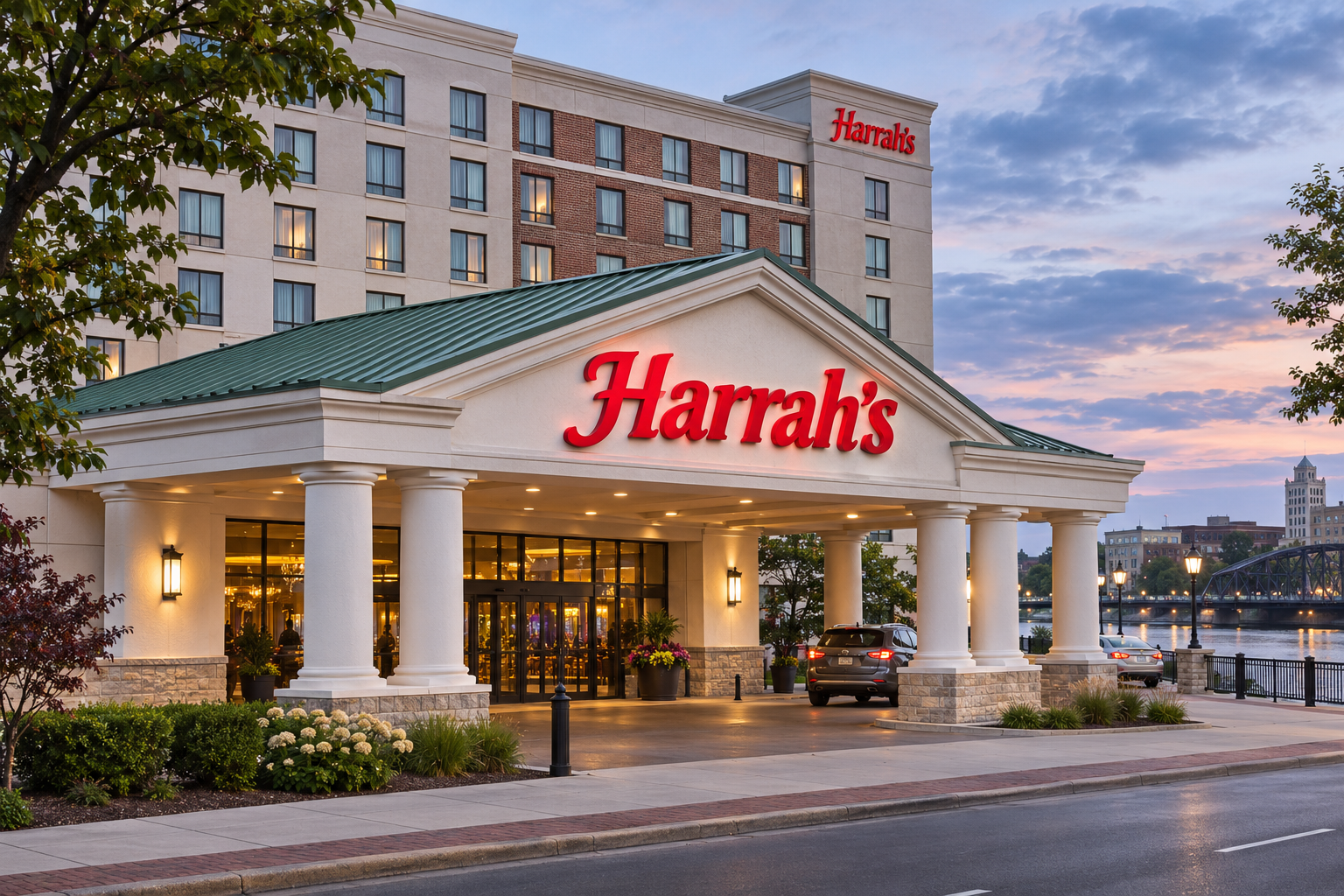
VICI recorded a $313.2 million increase in its credit-loss allowance tied to Caesars. Realty Income pays less at the November prices TIKR used, but depends far less on any one tenant.
Caesars Entertainment and MGM Resorts account for about 70% of VICI Properties’ contractual rent. Realty Income’s largest tenant, 7-Eleven, provided 3.3% of annualized base rent at the end of 2025. The figures use different portfolio measures and dates, but the degree of concentration helps explain why two landlords with similar dividend coverage can trade at different prices.
VICI increased its credit-loss allowance tied to Caesars by about $313.2 million in the September quarter. Its filing points to a debt-rating downgrade reflecting the rating agency’s view of Caesars’ expected balance sheet after Fertitta Entertainment’s proposed acquisition, valued at about $17.6 billion including debt. It also cites larger allowances for Caesars’ regional and Joliet leases. Caesars shareholders approved the transaction in September, but its latest filing still listed antitrust clearance and gaming approvals as closing conditions. The charge was noncash and did not, by itself, establish a missed rent payment.
VICI reported 5.8% revenue growth and 4.3% growth in adjusted funds from operations per share. It raised its adjusted guidance to $2.47 to $2.48 a share. Its $0.46 quarterly rate annualizes to $1.84, roughly 74% of the low end. Realty Income’s new $0.274 monthly payment annualizes to $3.288, also about 74% of the low end of its $4.45 to $4.46 guidance. The original comparison used full-year dividend estimates before the new rates. The updated comparison uses declared rates and management guidance, not necessarily the amount actually paid in 2026.
Caesars contributes roughly 38% of VICI’s rent and MGM about 32%. The Caesars Regional Master Lease and Joliet Lease generated about $740.5 million in annual contractual rent, or $730.9 million after adjusting for the noncontrolling interest. TIKR compared the latter with about $2.7 billion in projected annual adjusted funds from operations. Losing half the regional rent would lift a 73% payout ratio to approximately 84%, if the loss reduced adjusted funds from operations dollar for dollar and nothing else changed. Losing all of it could put the ratio just above 100%. The calculation does not predict default, lease enforcement or recoveries.
At the November 2 prices TIKR used, VICI yielded about 7.2% and Realty Income about 5.7%, before Realty Income’s latest increase. It valued VICI near 10 times estimated 2026 adjusted funds from operations and Realty Income near 13 times forward estimates in a later snapshot. Those multiples use different forecast windows. Realty Income’s A-minus S&P rating was above VICI’s BBB-minus rating in the comparison. The yield difference cannot be judged from payout ratios alone: VICI has more riding on Caesars’ post-deal financing, while Realty Income needs access to affordable capital to add enough properties to move its results.
Continue your O research
Image references: · מקור ייחוס · מקור ייחוס · מקור ייחוס · מקור ייחוס
Frequently asked questions
What is "VICI’s Higher Yield Comes With Two Tenants Paying 70% of Rent" about?
VICI yields more than Realty Income, but Caesars and MGM contribute about 70% of contractual rent. A credit allowance shows the risk.
Which stocks and assets does this article cover?
This article relates to O, CZR, MGM.
What is the market context?
Caesars Entertainment and MGM Resorts account for about 70% of VICI Properties’ contractual rent. Realty Income’s largest tenant, 7-Eleven, provided 3.3% of annualized base rent at the end of 2025. The figures use different portfolio measures and dates, but the degree of concentration helps explain why two landlords with similar dividend coverage can trade at different prices. VICI increased its…
When was this article published?
It was published on 17 / 11 / 2026 by Be The Investor Research.